A Hidden Trade's Global Cost You Haven't Heard Of

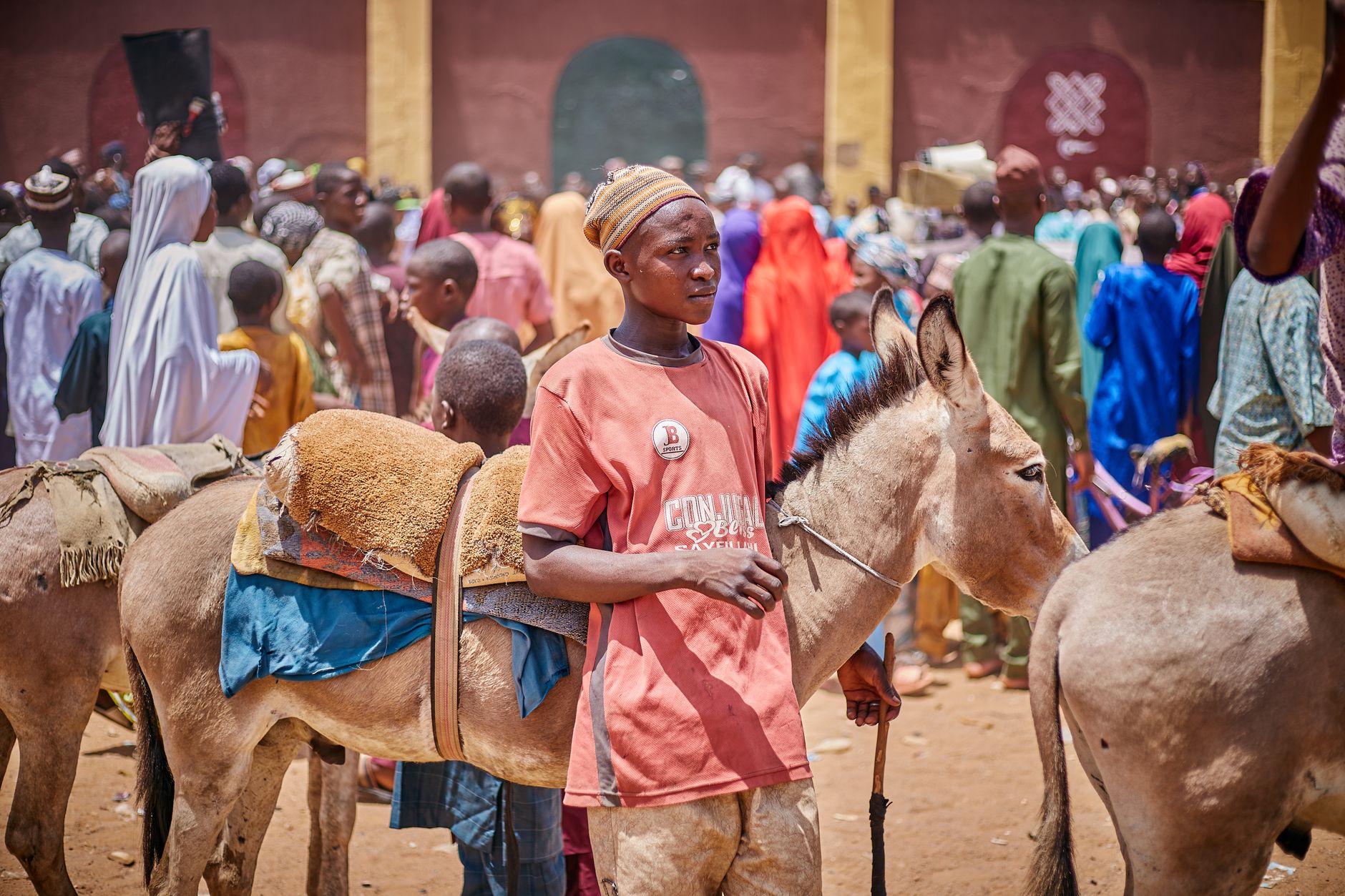
A clandestine global trade in donkey skins is driving immense animal suffering, posing serious public health risks, and pushing donkey populations towards collapse. This illicit network operates in the shadows, often linked to organized crime and environmental contamination. With millions of donkeys slaughtered annually, experts warn that unchecked demand could lead to the extinction of this vital species, highlighting an urgent need for global action to protect animals and planetary health.
The trade’s operations are often horrific, with donkeys slaughtered in unhygienic 'backyard' settings. This lack of proper facilities means blood, organs, and wastewater contaminate surrounding soil and water sources, creating serious environmental and food safety concerns. Organized criminal groups often work under cover of darkness to capture, kill, and skin donkeys, leaving carcasses to rot.
This loosely regulated supply chain creates significant biosecurity vulnerabilities. Donkeys from different regions are often gathered and transported together without veterinary checks, increasing the risk of disease outbreaks that can affect both animals and humans. Expert research has shown that donkey skins can carry dangerous bacteria, including antimicrobial-resistant strains that pose a public health threat, making this trade a growing 'One Health' concern.
Beyond the immediate cruelty, the donkey skin trade is deeply intertwined with a wider illicit economy. Its varied legal status across countries makes it a cover for other serious crimes like money laundering, drug trafficking, and the illegal arms trade. It also helps disguise the movement of other protected wildlife, amplifying the risk of pathogens spreading in shared criminal networks.
The suffering of donkeys in this trade is profound. Animals are often driven hundreds of miles in extreme heat without adequate food or water; many don't survive. Those that do are held in overcrowded pens, and the slaughter itself is frequently carried out inhumanely, causing extreme pain and fear.
Globally, an estimated six million donkeys are consumed by this trade each year, out of a total population of 50 million. This relentless demand threatens to drive this long-overlooked species towards population collapse. Brazil, for instance, has seen its donkey population plummet by 94 percent in just three decades, with scientists warning of potential extinction if the slaughter continues unchecked. This situation has a time-critical dimension, similar to other environmental and biodiversity crises.
Organizations like The Donkey Sanctuary are working with governments and partners worldwide to bring attention to this crisis and call for an end to the trade. A significant step forward was taken in 2024, when African Heads of State announced a moratorium on donkey slaughter for skins across the continent, with a strategy for wider protections by 2035. However, demand persists in other regions like Asia and Latin America, emphasizing the need for coordinated political action globally to protect donkeys, those who rely on them, and planetary health.