A Rare Seabird's Comeback Reveals a Path to Success [Conservation]

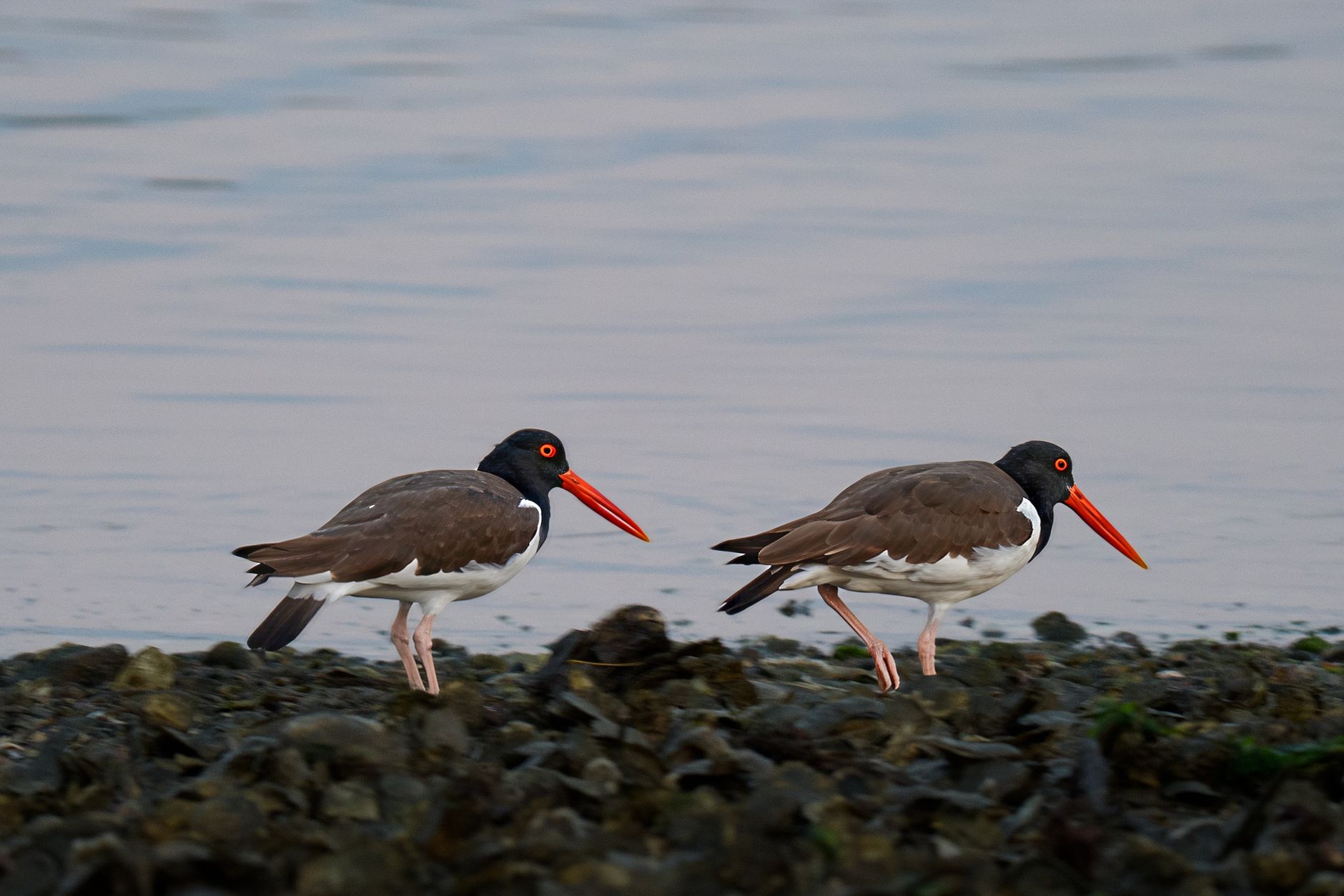
A remarkable conservation success story is unfolding along the Atlantic and Gulf coasts, where the distinctive American oystercatcher is making a significant comeback. Once nearly wiped out in New England, these birds with their sharp bills and bright-orange legs have seen their populations soar by 45% in recent years. This recovery highlights the power of dedicated collective action in protecting vulnerable species and offers a hopeful blueprint for future environmental efforts, even as new challenges like climate change and policy shifts emerge.
American oystercatchers, easily recognized by their striking orange bills and long, peach-colored legs, are showing an inspiring return. After being severely impacted by hunting and egg collecting through the early 20th century, especially in New England, these birds are now thriving thanks to widespread conservation efforts.
Over a decade, roughly $10 million was raised, uniting 35 coastal organizations across 16 states. This major campaign focused on educating beachgoers about the birds, protecting their ground nesting sites from predators and pets, and fostering a shared coastal environment. From 2008 to 2023, these combined efforts led to an impressive 45% increase in oystercatcher numbers, a truly significant achievement when many other shorebird populations are declining.
Biologists discovered that improving "chick survival" was key to the birds' recovery. Each site received tailored plans, focusing on specific issues like recreational disturbance, predator control, or habitat loss from sea level rise. Initiatives ranged from installing low fences with chicken wire to deter egg-eating predators like skunks and raccoons, to setting up colorful public education signs.
Oystercatchers also benefit from protections extended to other threatened shorebirds, like piping plovers, which often share nesting areas. This means vehicle and dog access is restricted in sensitive zones during nesting season. Organizations like BiodiversityWorks on Martha’s Vineyard and Audubon in North Carolina have seen breeding pairs increase substantially, showcasing how focused attention on a charismatic bird can unite communities and lead to strong environmental outcomes.
Despite this strong recovery, threats persist. Climate change is a major concern, with rising sea levels and erosion washing out nests. In response, states like Georgia are innovatively building elevated nesting platforms and using dredged material to create new nesting islands, while Audubon works to replenish oyster shell beds essential for nesting. These adaptive strategies are crucial for helping oystercatchers navigate a changing world.
Furthermore, recent changes to the Endangered Species Act pose new dangers. Environmental groups worry these changes could weaken protections for crucial habitats, potentially allowing development like drilling or logging in areas vital for species survival, even if the animals aren't directly harmed. Such policy shifts threaten to undermine the hard-won progress in species recovery and emphasize the ongoing need for vigilant environmental advocacy to protect our natural heritage.