A River's Reckoning: Decades of Pollution Now Addressed

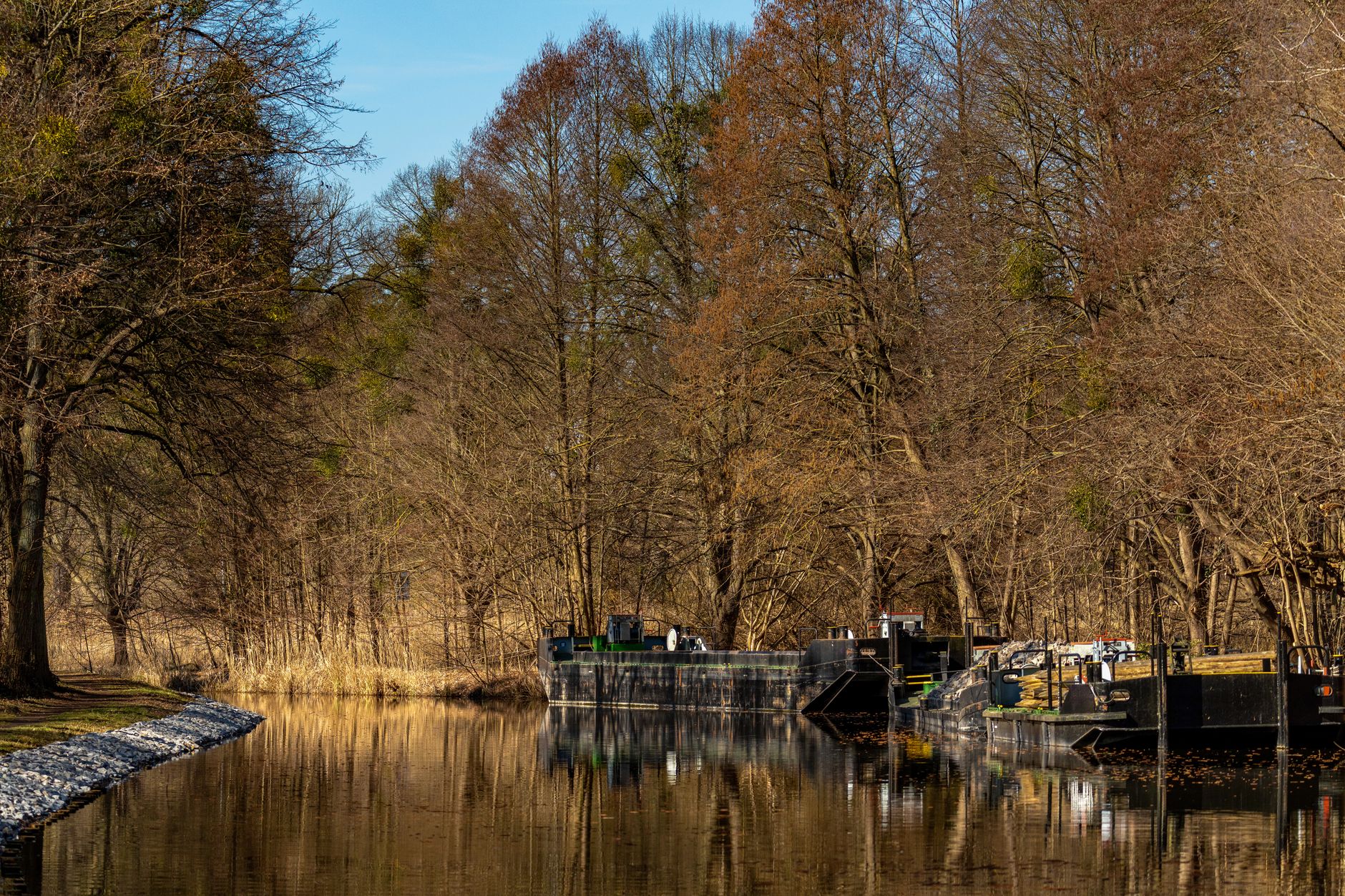
North Carolina's Roanoke River, a vital ecosystem, is finally getting a comprehensive plan to address 50 years of severe pollution. For decades, a local pulp mill discharged toxic dioxins and mercury, contaminating the river's fish and sediment, posing risks to both wildlife and human health. Federal and state regulators have now reached a tentative agreement with Domtar, the current owner, to fund extensive restoration efforts. This crucial step aims to heal the river, protect its unique habitats, and ensure a healthier future for the diverse species and communities that rely on it. The public has a chance to comment on this important environmental action via the draft restoration plan.
For half a century, the Roanoke River in Plymouth, North Carolina, suffered from widespread pollution originating from a paper mill. The previous owner, Weyerhaeuser, released harmful chemicals like dioxins and mercury directly into the water. These toxins built up in the river's fish, leading to health advisories for people who consume them and causing serious damage to the river's wildlife.
The contaminants have posed risks to human health, potentially causing long-term issues even at low levels. Beyond chemical pollution, the mill's massive water withdrawals also tragically killed thousands of larval fish daily, severely impacting populations of important species like striped bass. This long-term neglect highlights the critical need for strong environmental protection and accountability from industries.
Now, a significant step forward is underway. Federal and state authorities have proposed a plan with Domtar, the company that acquired the mill, to repair the damage. Although Domtar wasn't responsible for the initial pollution, they are committed to funding a major cleanup. The plan includes protecting over 1,000 acres of crucial wetlands, reconnecting vital floodplains, and improving passages for fish, ensuring a more natural and healthy flow for the river.
This action is vital because the Roanoke River is a truly special place. It boasts one of the Atlantic Coast's largest intact bottomland forests, supports a rich variety of fish, including the endangered Atlantic sturgeon, and provides habitat for over 200 bird species. It's a lifeline for North Carolina's ecosystem and local communities, many of which are environmental justice areas that have historically borne the brunt of pollution. Protecting this river is not just about wildlife; it's about safeguarding clean water and healthy environments for everyone. The public is encouraged to share their thoughts on the draft restoration plan until October 16th.