A shocking CO2 surge puts us all at risk

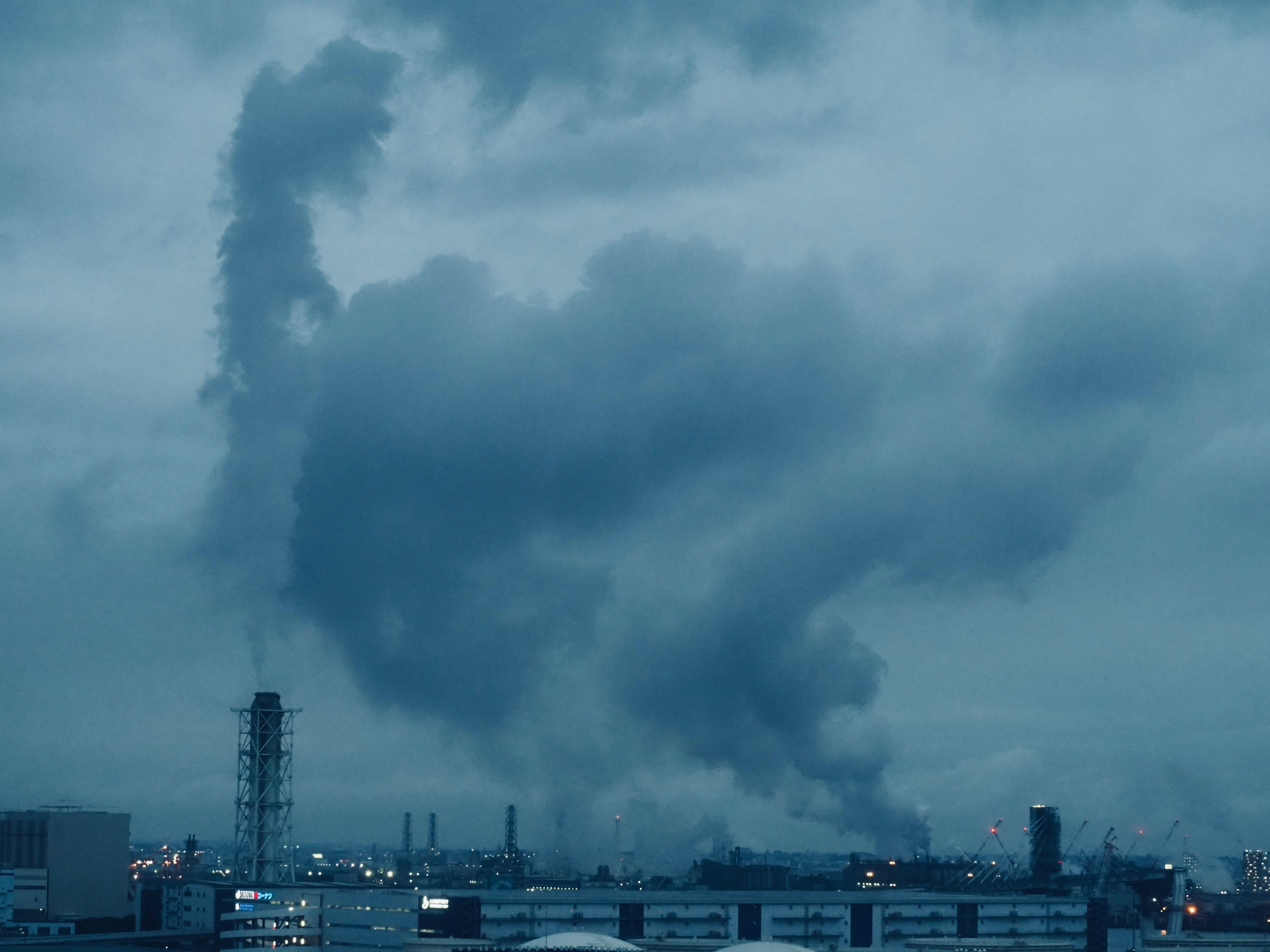
UN climate scientists report that atmospheric carbon dioxide jumped by 3.5 ppm from 2023 to 2024—the steepest annual rise since modern measurements began in 1957. Global CO2 now stands around 423 ppm, roughly 52% above pre-industrial levels, with methane and nitrous oxide also at record highs, according to the World Meteorological Organization’s latest greenhouse-gas bulletin. The spike is linked to continued fossil fuel use, exceptional wildfire emissions, and weakening natural “sinks” in oceans and on land during a strong El Niño and the hottest year on record. WMO’s Ko Barrett warned that heat trapped by greenhouse gases is “turbo-charging” extreme weather, urging rapid emission cuts and stronger monitoring. See the WMO media note and full report for details: WMO press release, WMO Greenhouse Gas Bulletin (PDF).
Carbon dioxide in Earth’s atmosphere climbed at an unprecedented pace last year, rising 3.5 parts per million between 2023 and 2024. The World Meteorological Organization (WMO) says that puts the global average near 423 ppm—about 52% higher than the pre-industrial baseline of 278 ppm—while methane and nitrous oxide also set new records. The findings come in WMO’s latest greenhouse-gas bulletin, which attributes the surge to a mix of continued fossil fuel burning, unusually large wildfire emissions, and a weakened ability of oceans and land ecosystems to soak up CO2 during a strong El Niño and a year of record global heat. WMO press release, WMO Greenhouse Gas Bulletin (PDF).
Natural carbon “sinks” typically absorb about half of humanity’s CO2 each year. But warmer oceans dissolve less gas, and hotter, drier conditions on land curb photosynthesis and fuel fires—especially in places like the Amazon and southern Africa—pushing more carbon into the air and leaving more behind. That feedback loop is what worries scientists: if sinks keep losing strength, more of our emissions will linger aloft, accelerating warming. The pattern has been building for decades as the average annual CO2 growth rate roughly tripled from the 1960s to the 2010s, a trend WMO now says has intensified. WMO press release, State of the Global Climate 2024 (PDF).
“The heat trapped by CO2 and other greenhouse gases is turbo-charging our climate and leading to more extreme weather,” said WMO deputy secretary-general Ko Barrett, calling for faster emissions cuts and stronger monitoring networks. The Ecologist’s report summarizing the bulletin underscores the same message and notes expert concerns that sink effectiveness may be slipping as ecosystems face compounding stress. Ko Barrett statement, The Ecologist article.
While CO2’s long atmospheric lifetime means today’s pollution will warm the planet for centuries, researchers stress that rapid reductions can still limit additional damage. Protecting and restoring nature—forests, wetlands, and coastal ecosystems—remains essential alongside deep cuts in fossil fuel use. “We must cut climate emissions, but we must also urgently protect our natural systems that are our greatest ally in tackling climate change,” added WWF climate adviser Alec Hutchings. The Ecologist article.