A Silent Killer Returns to Appalachia's Mines [Report]

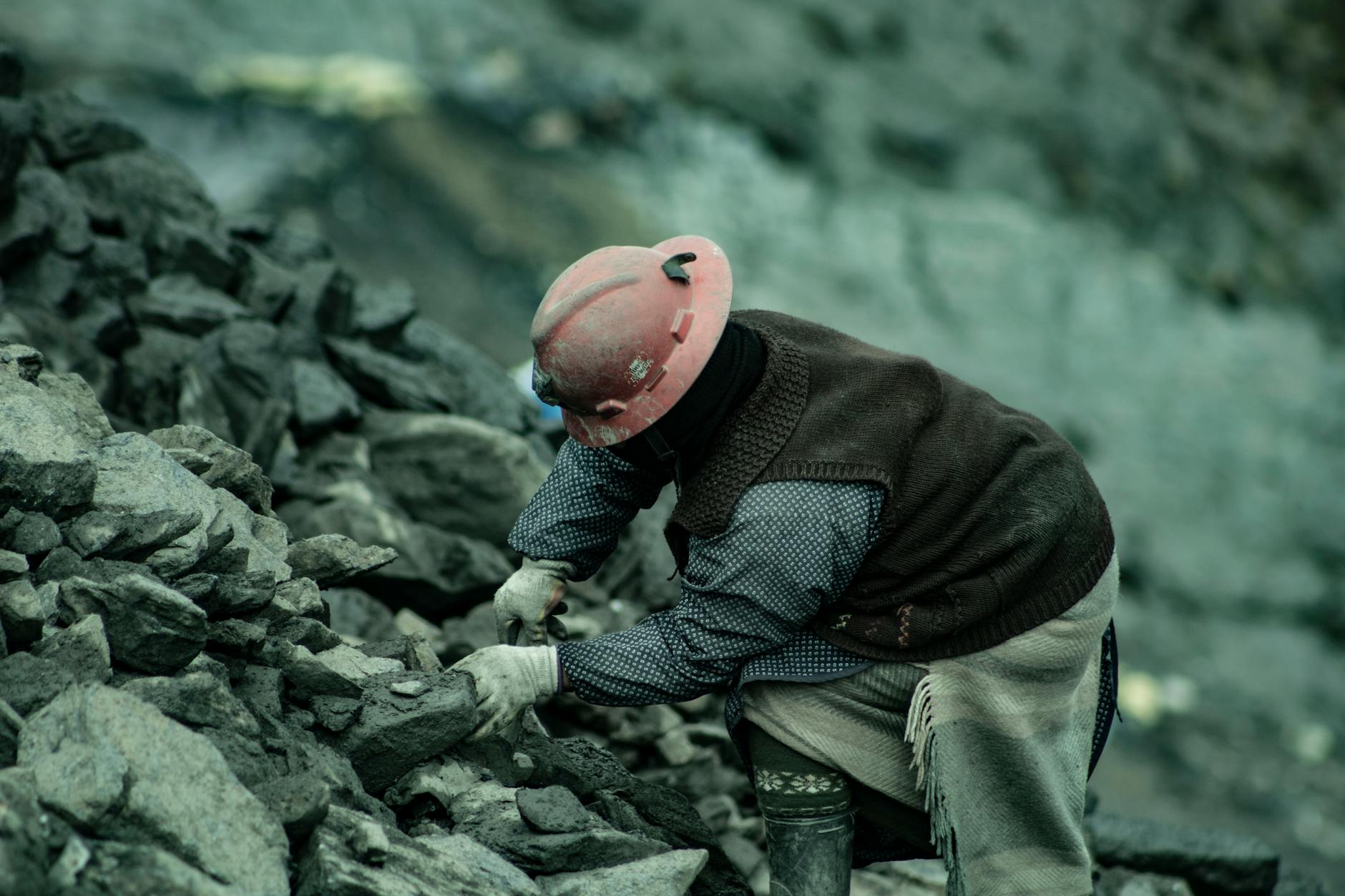
In a disturbing trend under the Trump administration, black lung disease is making a devastating comeback among coal miners in Central Appalachia. A recent report reveals that an alarming 32% of longtime underground miners are now affected by this incurable pulmonary illness, with overall cases soaring by over 60% since 2018. This surge is linked to weakened federal safety regulations and an active push to expand coal production, a fossil fuel that significantly contributes to climate change. The human cost is immense, as miners sacrifice their health, while the planet also bears the burden of increased carbon emissions.
The debilitating disease known as black lung, or coal workers' pneumoconiosis, has seen a dramatic resurgence, reaching its highest rates since 1978. This tragic increase coincides with policies that prioritize coal production over worker protection. The Trump administration has funneled significant funds into new coal facilities and relaxed environmental safeguards, reversing earlier efforts to improve miner safety.
Coal mining itself carries a heavy environmental toll, fueling climate change through considerable carbon dioxide and methane emissions. While demand for this fossil fuel has declined, its extraction continues to harm both workers and the planet. The drive for coal often means cutting through harder, silica-rich rock, exposing miners to dangerous dust that can lead to severe lung disease much earlier in their lives.
For decades, the risks of silica exposure have been well-documented. Despite recommendations from the National Institute for Occupational Safety and Health for stricter dust limits, the current permissible exposure for coal miners remains double that of other industries. Efforts during the Biden administration to halve this limit were met with approval by miners, who saw it as a step towards safer working conditions. However, this progress was short-lived.
Upon re-entering office, the Trump administration quickly moved to dismantle these protective measures, gutting the proposed rule and negotiating a replacement with industry interests. This rollback, coupled with deep cuts to mine safety research and health surveillance programs, has created a dangerous gap in the safety net meant to protect miners. Critics argue that these actions prioritize production goals over human lives, a stark reminder of why strong environmental and worker protections are crucial for both community well-being and a sustainable future.
As one former miner, Thomas Edwards, explained, “In the coal industry, all the easy coal is mostly gone. Now they’re going in, and they’re getting the smaller seams of coal, and they have to cut the rocks just to get the coal. So they’re being exposed to a lot more dust and silica than they were years ago, and now, at a younger age, they’re becoming more disabled.” The science on what causes this disease is clear; what’s needed now is action to protect those who provide our energy, as we transition towards cleaner, safer energy solutions.