A small state's big idea to make climate polluters pay.

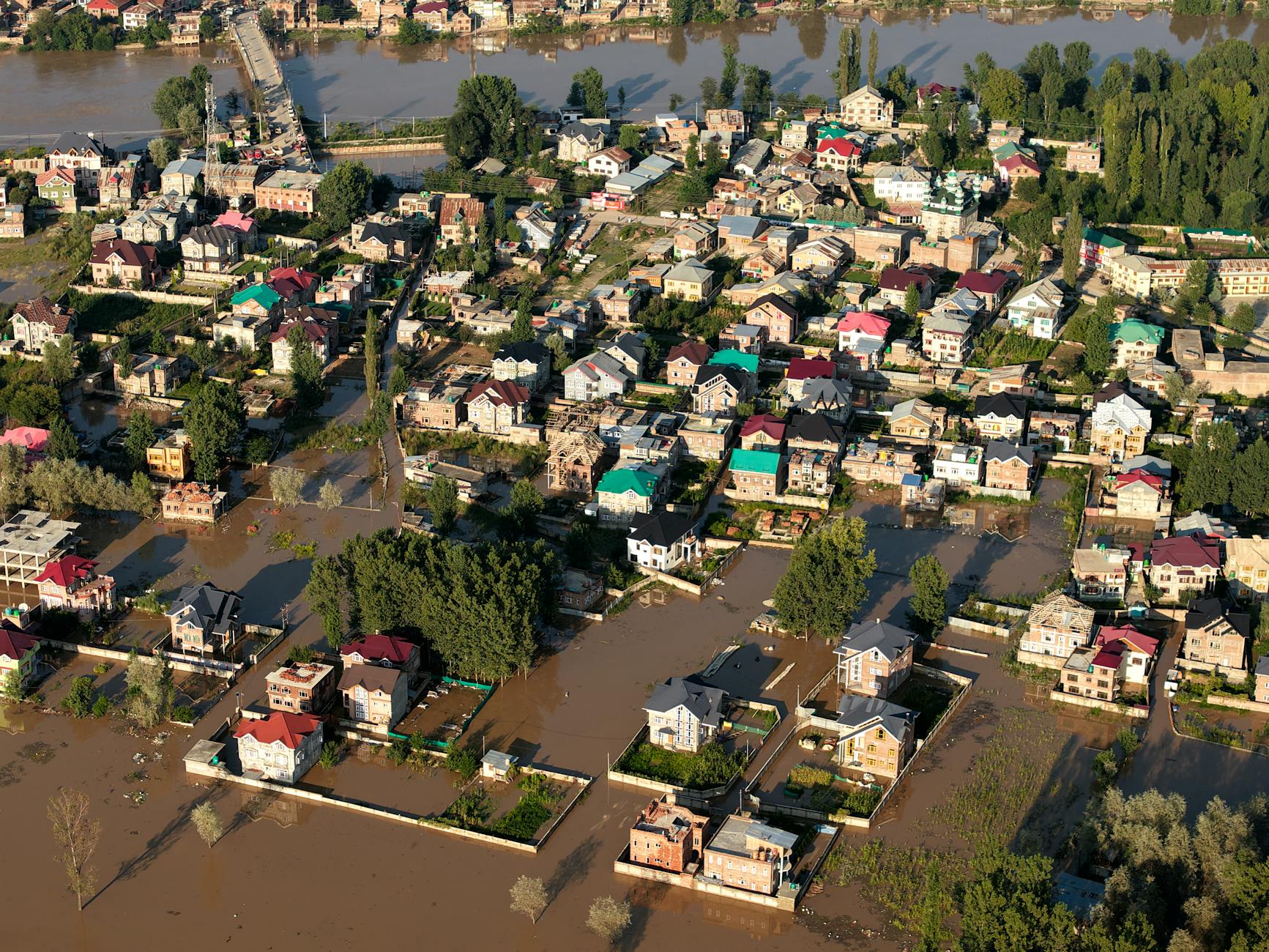
Vermont, ravaged by successive severe floods, is pioneering a new "climate superfund" law to make major fossil fuel companies financially responsible for climate adaptation costs. This groundbreaking legislation aims to compel polluters to reimburse the state for damages, proportionate to their historical emissions. However, the law faces immediate legal challenges from industry groups and even the federal government, sparking a critical debate in U.S. District Court. As communities grapple with escalating climate impacts and urgent infrastructure needs, the outcome of this legal battle could set a vital precedent for how climate change burdens are shared across the nation, underscoring the pressing need for environmental action.
Vermont's innovative "climate superfund" law aims to make major fossil fuel companies pay for the state's climate adaptation costs, proportionate to their historical contributions to greenhouse gas emissions. This bold move comes after Vermont was hit by devastating floods in successive years, highlighting the urgent need for funds to protect communities. However, the law is currently facing significant legal opposition in federal court from fossil fuel industry giants, 24 Republican state attorneys general, and the Trump administration's Department of Justice. Vermont argues the law is a legitimate way to apportion costs, not an overstep into federal regulation, with economists, including Nobel Prize winner Joseph Stiglitz, supporting this view in a court filing.
While the legal battle wages, Vermont communities like Johnson are grappling with the very real, immediate impacts of climate change. This small town, repeatedly ravaged by floods, faces immense financial strain to upgrade vital infrastructure. After its century-old library was famously relocated to higher ground, the town now confronts the challenge of its flood-prone wastewater treatment plant, critical for public health. The immense costs and limited federal funding options underscore why local governments desperately seek new ways to fund crucial climate resilience projects without burdening residents with crushing debt.
For many, this isn't just a legal debate but a matter of fundamental fairness. Farmers, like Andy Jones, who lost $200,000 in crops to a single flood, see the law as holding accountable an industry that long understood the damaging consequences of its products. While critics warn of rising energy costs, proponents argue it’s about ensuring polluters pay their fair share of a climate crisis they helped create. The outcome of this case, and similar efforts like New York's own superfund law, could set a critical national precedent, shaping how climate adaptation is funded and emphasizing the collective responsibility to address global warming.