A 'Super' El Niño is coming. What's at stake for California fishers?

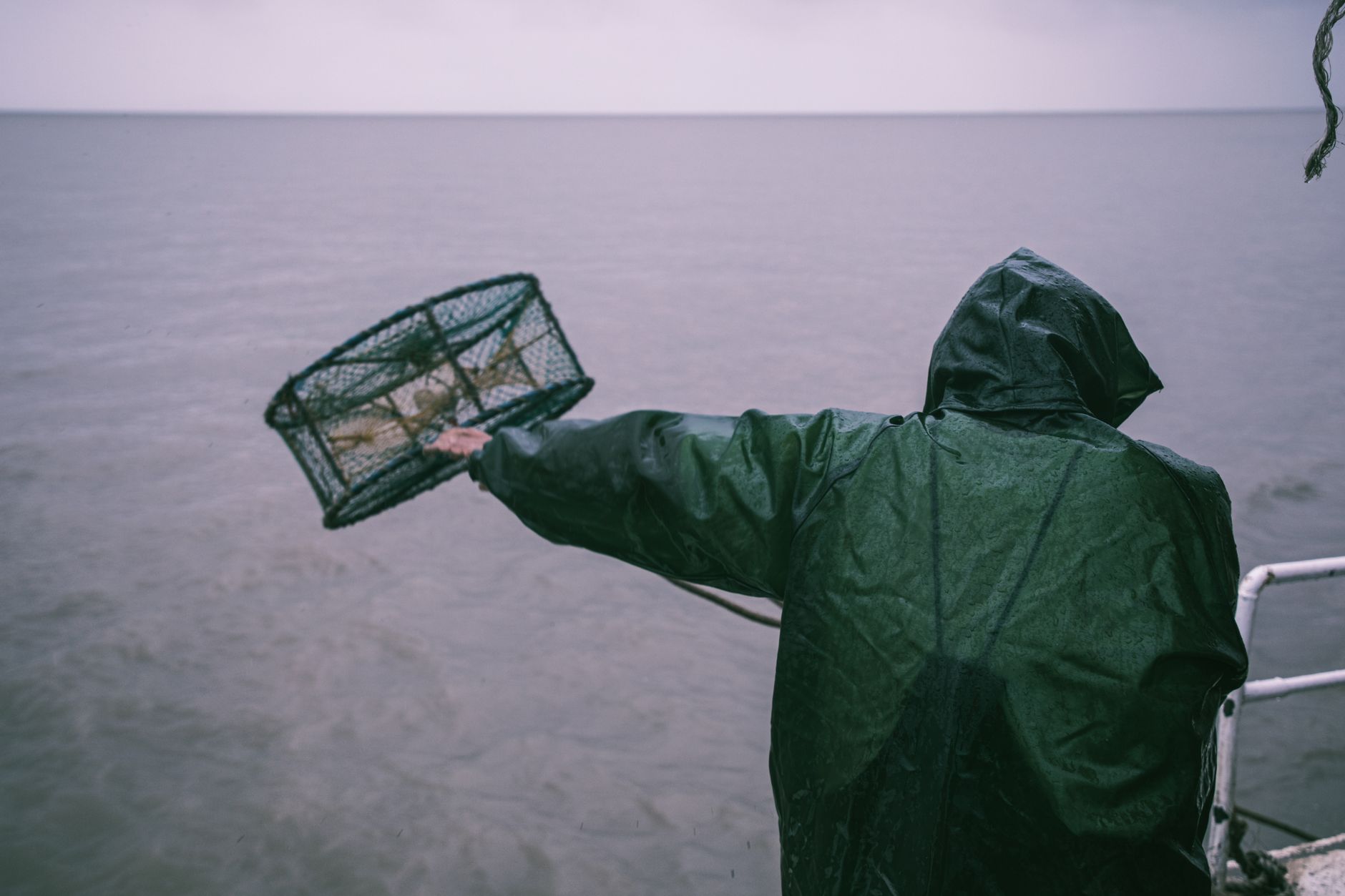
A "super" El Niño is almost certainly on its way, bringing with it a high risk of breaking global temperature records. Federal scientists predict an 81% chance of this powerful weather phenomenon, which could mirror or even worsen the devastating impacts seen on California's commercial fishing fleets in 2015-2016. Warming ocean waters, a consequence of global warming, are already forcing marine species to shift, sicken, or disappear, threatening the livelihoods of countless fishermen. This upcoming El Niño highlights the urgent need for climate action to protect our oceans and vital industries.
The expected "super" El Niño is more than just a weather event; it's a stark reminder of how global warming reshapes our world. Experts like Malin Pinsky from UC Santa Cruz warn it could shatter global temperature records, leading to severe consequences for marine life. As oceans heat up, sea creatures are forced to adapt rapidly, often moving to new areas, becoming sick, or failing to reproduce. These shifts are happening far faster than on land, leaving commercial fishing communities scrambling to keep up.
California's Dungeness crab fishermen experienced this firsthand during the 2015-16 El Niño. Harmful algal blooms, fueled by warmer waters, infected crabs with toxins, forcing regulators to drastically shorten the season. This led to over 70% of crab boats stopping operations and hundreds of jobs lost. For many, Dungeness crab is their most profitable catch, making these disruptions financially crippling.
It's not just crabs. Market squid, once California's largest commercial fishery by volume, shifted north to Oregon during the previous El Niño and never fully recovered. Salmon populations also suffered, hit by both drought conditions in rivers where they spawn and warmer ocean waters lacking the crucial food young salmon need to survive. These combined pressures reduce their chances of returning to spawn, leading to future fishing closures, as seen in 2017.
The ripple effects extend globally, impacting aquaculture. Jessica Gephart from the University of Washington points out that even farmed fish, much of which is imported, can be affected. El Niño impacts key fisheries like the Peruvian anchoveta, a major source of fish meal for aquaculture. This can drive up prices for farmed seafood around the world, affecting consumers and industries alike.
Adding to the challenge, the federal system designed to help fishermen in disaster situations is slow and often criticized as "broken." Financial relief can take years to materialize, leaving many struggling to survive during prolonged closures or reduced catches. For example, funds for the 2024 Chinook salmon fishery disaster weren’t disbursed until June 2026. This situation underscores the critical need for swift climate action and more resilient support systems for communities dependent on our rapidly changing oceans.