A Year Later, This Alaska Village Fights for What's Next

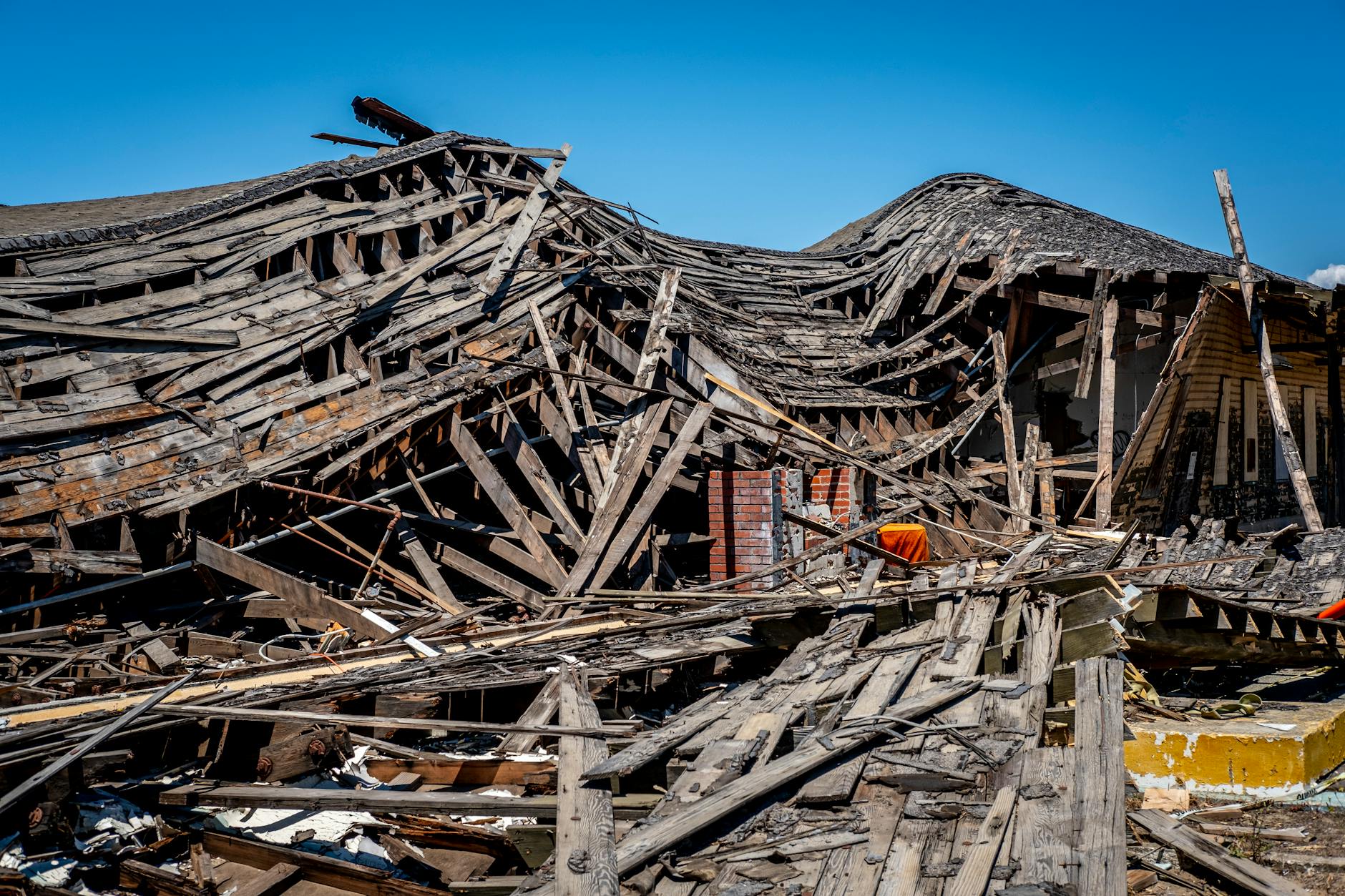
A year after the powerful remnants of Typhoon Halong slammed into Western Alaska, the remote Native village of Kipnuk is still grappling with its devastating aftermath. The 2025 storm destroyed homes and infrastructure, displacing over a thousand residents, many of whom remain scattered across the state. This ongoing crisis highlights the immense challenges of rebuilding in a remote region and the profound cultural toll on a community separated from its ancestral lands. Compounding their struggles, climate change increases their vulnerability to future storms, yet funding for a safer relocation remains elusive.
A year ago, the remnants of Typhoon Halong unleashed devastation on numerous small Alaska Native villages, far from any road system in Western Alaska. The storm destroyed vital infrastructure, ripped homes off their foundations, and forced over a thousand people to leave everything behind. Today, hundreds are still displaced, facing a slow and arduous journey to rebuild in this incredibly remote part of the state. In Kipnuk, one of the hardest-hit communities with nearly 90% of its homes damaged, residents are still unsure when they can truly return.
Local construction crews, like the one led by Eddie Chuckwuk, are working tirelessly to piece the community back together, lifting houses back onto their foundations. Their dedication reflects a deep desire to see everyone return to the place they grew up. However, the path to recovery is riddled with obstacles. Most residents lacked home or flood insurance, and while Federal Emergency Management Agency (FEMA) funds are helping make homes livable again, they don't cover the full cost of severe damage or the crucial need for new, safer housing. The state is actively seeking more funding to help rebuild adequately.
Beyond physical repairs, the emotional and cultural toll is immense. Many displaced residents are living in unfamiliar cities, feeling the strain of separation from loved ones and their ancestral way of life. They worry about their children losing connection to their Yugtun language and the traditional practices of hunting and gathering that define their identity. As Leona Paul, who cooks for the recovery crews, shared, the trauma has been too overwhelming for some to even consider returning.
The long-term threat of climate change looms large over Kipnuk. The community itself has voted to relocate to a safer area, recognizing that rising global temperatures are making them increasingly vulnerable to intense future storms. Yet, current FEMA aid is designed only to restore damaged property, not to facilitate a move to higher ground. This critical funding gap leaves the village caught between a desire for safety and the reality of limited resources. Despite these profound challenges, families like Burt Paul’s are finding ways to preserve their culture, gathering traditional foods like salmonberries and holding onto hope that their village will one day be whole again. This ongoing struggle underscores the urgent need for comprehensive climate action and support for vulnerable communities worldwide.