After Wildfires: A Hard Choice for California's Forests?

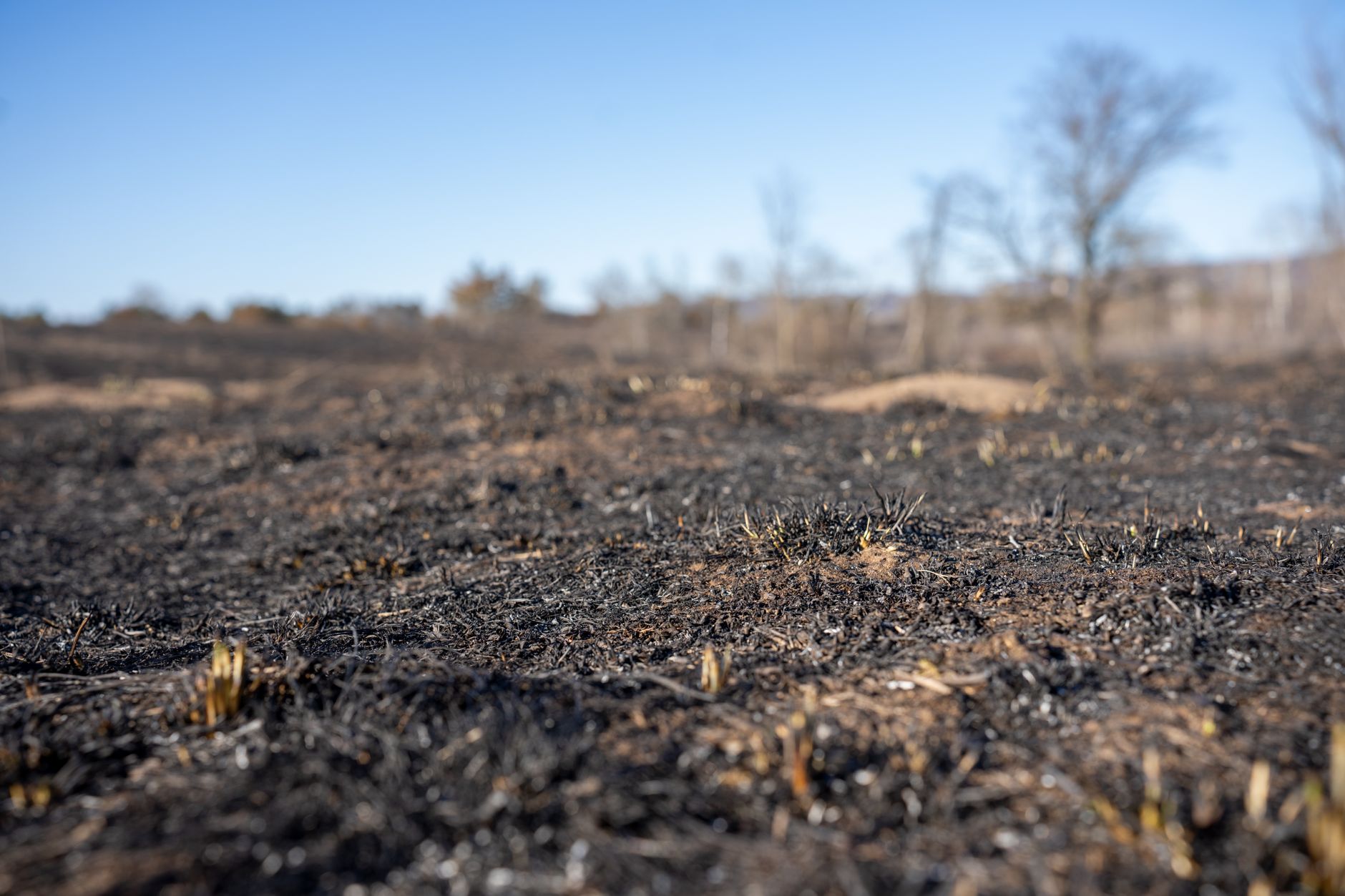
California communities face a tough decision in the aftermath of increasingly severe wildfires, driven by climate change and past forest mismanagement. The debate centers on how to help devastated forests recover: should they let nature take its course or intervene with tools like the herbicide glyphosate? While some residents fear the potential health risks of glyphosate, especially given California's finding that it causes cancer, others see it as a necessary tool to prevent future catastrophic fires and restore healthy ecosystems. This environmental and public health dilemma highlights the complex challenges of rebuilding and managing landscapes in a warming world.
Reid Reichardt, who lost his beloved forest trails in Tahoe to the 2021 Caldor fire, found hope in the vibrant regrowth covering the burn scar. However, this hope turned to concern when the Forest Service announced plans to spray glyphosate, an herbicide California identifies as a cancer risk, to clear shrubs crowding out young conifers. This agonizing choice between forest intervention and human health underscores the grim realities faced by communities in California's Sierra Nevada, where more intense wildfires, fueled by climate change and historic forest mismanagement, force difficult environmental questions.
Forestry experts argue that without intervention, the fast-growing shrubs will overwhelm the young conifers, preventing a healthy forest from returning and increasing the risk of another intense fire. Yet, many Tahoe residents, like Madeline Moritsch, prefer to let nature heal on its own, expressing deep mistrust of chemicals. The controversy intensified after an article chronicling the Forest Service’s use of the chemical across California appeared in Mother Jones magazine, with locals feeling blindsided despite the agency's claims of public notice.
In stark contrast, 100 miles away, communities impacted by the devastating 2018 Camp fire in Butte County have forged a different path. The Butte County Fire Safe Council, comprising local experts and survivors, engages directly with landowners to discuss forest healing and wildfire risk reduction, including the strategic use of herbicides. They emphasize transparency, posting signs and avoiding application near water, to build trust and ensure community involvement in vital restoration efforts.
The need for intervention stems from over a century of aggressive fire suppression, which allowed forests to become unnaturally dense and ripe for high-intensity blazes amplified by climate change. After such fires, pioneering shrubs can dominate, preventing the re-establishment of a resilient conifer forest. While goats and hand crews offer alternatives, they are often too slow, expensive, or impractical for vast areas. This leaves herbicides like glyphosate as a common, cost-effective option for many land managers, despite ongoing debate about its safety between the U.S. Environmental Protection Agency (which deems it unlikely to be a human carcinogen) and the World Health Organization's cancer research arm (which says it probably is).
The Konkow Valley Band of Maidu, led by tribal chairperson Matthew Williford Sr., offers another powerful perspective from the fire-scarred Concow Basin. Working in partnership with the Forest Service, they are restoring their ancestral lands, not just for conifers, but for a diverse ecosystem anchored by oaks, often utilizing controlled burns and, when necessary, targeted herbicide use for invasive species like French and Spanish broom. Their approach highlights a deep connection to the land and a belief that, with careful stewardship and renewed trust, the ecosystem will respond, as evidenced by the return of specific native insects to historically managed plots. This holistic view emphasizes that sustainable forest management means respecting ecological processes while actively mitigating the dangers posed by a century of human interference and a changing climate.