AI's Climate Secret: What Big Tech Isn't Telling You

Artificial intelligence is at a crossroads, with leaders offering wildly different views on its future and climate impact. While some tech companies at Climate Week NYC highlight AI's potential for clean energy, others, like former President Trump, dismiss concerns as a "hoax," linking them to climate change denial. Crucially, new research suggests that AI's vast energy demands and its use in boosting fossil fuel production currently outweigh its benefits for sustainable solutions. This emerging picture raises significant questions about AI's true environmental footprint and the need for immediate action.
This week brought a stark contrast in how artificial intelligence is discussed, particularly concerning its environmental impact. While Climate Week NYC showcased how AI could power clean energy, including operational improvements for nuclear plants and energy storage—as Nvidia's head of sustainability shared with The New York Times—a different narrative emerged from former President Donald Trump. He dismissed worries about AI as a "hoax," drawing parallels to what he called "Global Warming," a name he claimed was "reborn" to "Climate Change" because the planet was "cooling, not warming." This injection of climate denial into the AI conversation is troubling, especially as the climate crisis demands urgent, collective action.
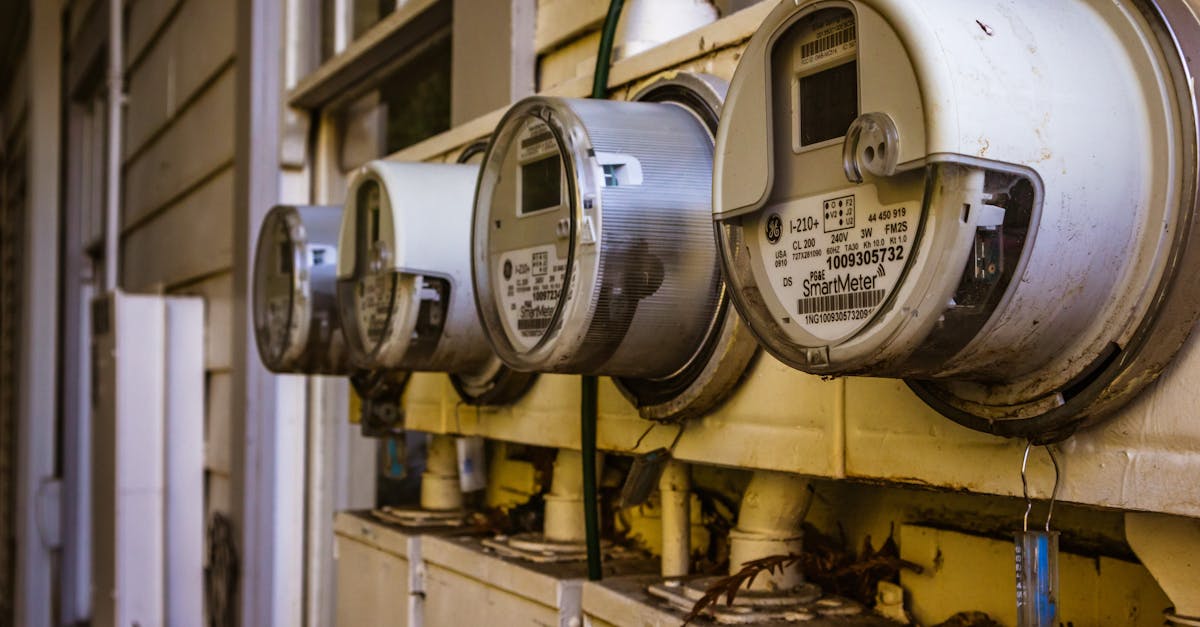
Despite the optimistic talk, the reality of AI's environmental footprint is more complex. A recent paper in a Nature journal found that the increase in carbon emissions from powering AI data centers and optimizing fossil fuel production far exceeds any savings from AI's clean energy applications. Experts note that many companies highlight their renewable energy pilot projects while remaining silent on AI’s widespread use in boosting oil and gas extraction. The International Energy Agency also points out that while AI's climate benefits are a future possibility, its immediate impact includes a massive increase in electricity demand for data centers.
This rapid expansion of data centers is particularly concerning. The rush to build them quickly often leads to reliance on inefficient and expensive power technologies, like natural gas combustion turbines. These "jet engines" are not meant for continuous 24/7 operation, making the current approach economically unsound and environmentally harmful. Independent researchers warn that utility companies building new power plants for anticipated data centers that might not materialize could leave households and businesses footing the bill. Protecting consumers and ensuring sustainable energy sourcing for this boom is crucial.
It’s also important to clarify misinformation. When Mr. Trump references warnings that "we’ll all be dead in twelve years" due to global warming, he’s likely misrepresenting media coverage of a 2018 United Nations report. That report stated the world had 12 years to significantly reduce emissions to avoid severe climate impacts, not that everyone would die. For more context on this timeline, Inside Climate News has covered the report and provided follow-up analysis. Addressing the climate crisis with accurate information and embracing sustainable, electrified solutions is vital for our planet's future.