AI's Future Hinges on One Overlooked Resource.

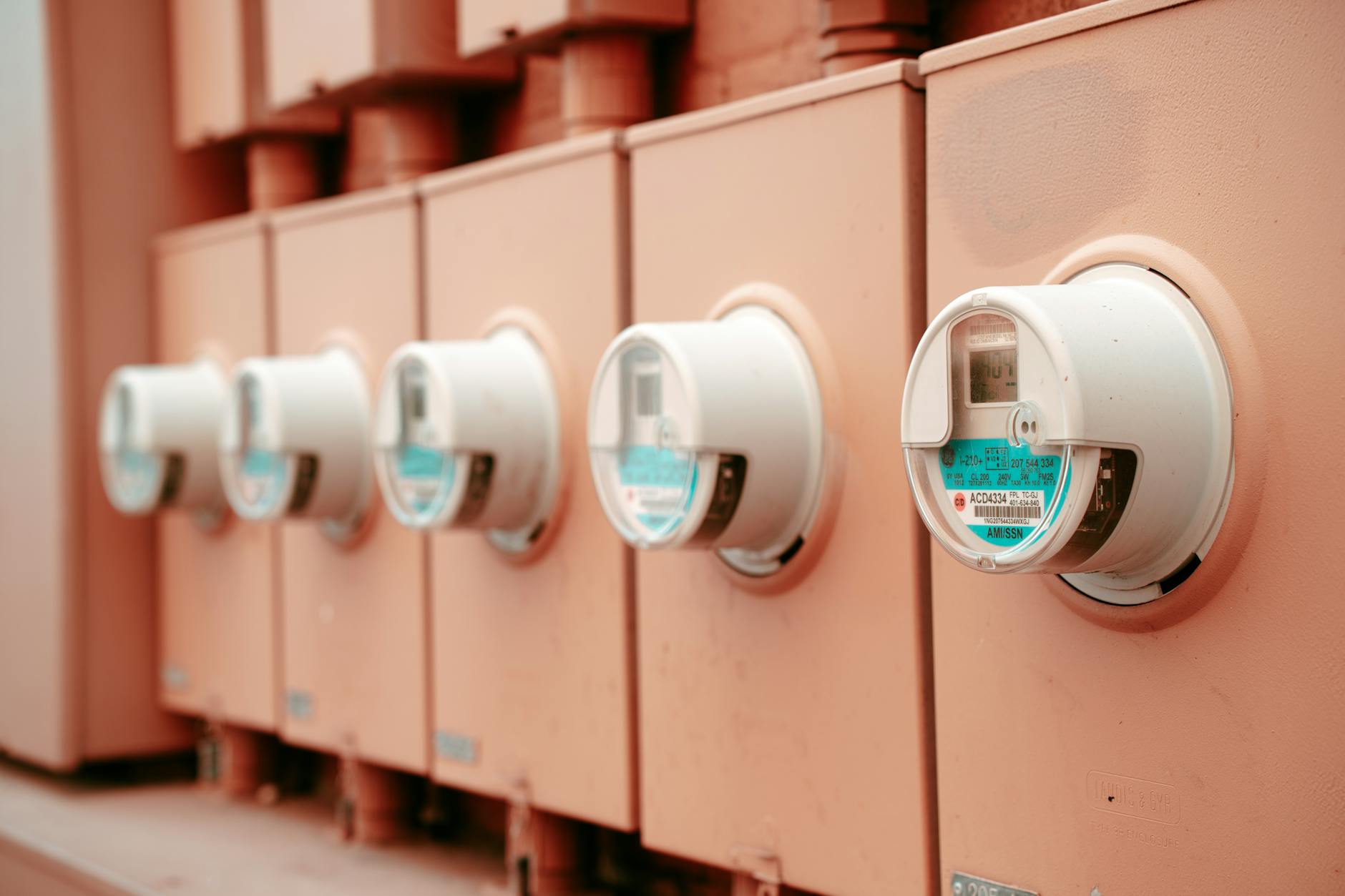
NVIDIA is at the heart of an unprecedented AI infrastructure boom, with spending commitments soaring to $279 billion. While this fuels incredible technological advancement and economic growth, it also brings a colossal demand for electricity. Global data center power use is projected to nearly double by 2030, a surge that will place significant strain on energy grids and accelerate climate concerns if not managed sustainably. This rapid expansion underscores the critical need for renewable energy sources and innovative solutions to power our digital future responsibly. The push for AI must align with urgent environmental action.
The artificial intelligence revolution is expanding at an astonishing rate, driven by companies like NVIDIA. Their latest financial results show massive growth, with revenue reaching $96.2 billion in just one quarter. This huge demand isn't just for chips; it's creating a colossal wave of investment in data centers, networking, and the sheer amount of electricity needed to run it all. Experts like Gartner predict global AI spending could hit $2.7 trillion in 2026, with over half going towards building the necessary infrastructure.
This rapid build-out has a significant environmental footprint. Data centers, especially those powering AI, are projected by the International Energy Agency (IEA) to double their electricity consumption globally by 2030, becoming a major factor in overall energy demand. In the U.S. alone, they could account for nearly half of all new electricity demand this decade. This immense energy need presents a critical challenge for our planet, demanding an urgent shift towards cleaner, more sustainable power sources. Relying on fossil fuels for this growth would worsen global warming, making the speedy adoption of electrification through renewables like solar and wind absolutely essential.
NVIDIA itself is not just selling hardware; it's now deeply involved in financing and building this massive AI infrastructure, including a planned 10-gigawatt deployment for OpenAI. Such large-scale projects, however, face real-world hurdles like finding enough land, securing power grid connections, and ensuring adequate cooling systems. These bottlenecks, also highlighted in NVIDIA's own regulatory filings, underscore the delicate balance between technological ambition and our planet's physical limits. The industry's expansion also means a growing carbon footprint, with NVIDIA's indirect supply chain emissions jumping significantly from 6.9 million to 10.7 million metric tons in fiscal year 2026. This underscores the importance of every company prioritizing environmental protection and investing in solutions that reduce their climate impact.
Moving forward, the success of the AI era isn't just about faster chips or bigger data centers. It's about ensuring this incredible progress is sustainable. We need collective action to develop and implement clean energy solutions for these power-hungry technologies. Embracing electrification powered by renewables is not just good for the environment; it's becoming a necessity for continued growth, proving that innovation and ecological responsibility can, and must, go hand in hand.