AI's Future Power Needs a Surprising Answer

The rapid expansion of artificial intelligence is creating a massive demand for energy, pushing existing power grids to their limits. This week, Nvidia CEO Jensen Huang dramatically highlighted nuclear power as the crucial solution for powering future AI data centers. His comments caused a significant surge in companies like Oklo, which is developing advanced microreactors. This shift underscores the growing recognition that stable, carbon-free energy sources like nuclear are essential to meet the exploding needs of AI sustainably and reduce its environmental footprint. Embracing clean power solutions is vital for our planet's future.
Nvidia CEO Jensen Huang recently made waves by stating that energy is fast becoming the biggest challenge for artificial intelligence. He warned that the vast data centers powering AI are turning into “gigawatt factories,” and our current energy grids simply can't keep up, as per media reports. His message was clear: AI needs stable, always-on, carbon-free power, and nuclear energy is the perfect fit. This shift highlights how crucial clean and reliable energy is for the future of technology and our environment.
This powerful endorsement sent shares of companies like Oklo skyrocketing. Oklo is a California-based firm creating innovative fast-neutron microreactors, known as Aurora powerhouses. These reactors are special because they can use recycled nuclear waste to produce 15–75 megawatts of clean electricity, running for up to a decade without needing new fuel. This makes them incredibly efficient and a strong contender for powering remote locations or energy-hungry AI facilities. Oklo has already secured a significant agreement with data-center giant Switch to deploy 12 gigawatts of its reactors by 2044, a landmark deal for clean energy.
Despite the excitement, getting new nuclear technology off the ground involves navigating the lengthy U.S. Nuclear Regulatory Commission (NRC) approval process, which has historically slowed down nuclear advancement. Oklo, currently a pre-revenue company, aims to launch its first reactors by 2027 or early 2028, but the nuclear industry's timelines are often challenging. Nevertheless, the company is making steady progress, having received necessary clearances and permits to move forward with its first commercial plant.
The push for nuclear energy isn't just coming from tech leaders. The U.S. Department of Energy (DOE) and the National Nuclear Security Administration (NNSA) are actively planning to use nuclear power as the backbone for future AI growth. Federal agencies are preparing major sites to host AI data centers powered by advanced reactors, signaling a significant national commitment to sustainable digital infrastructure. A key DOE study even proposed tripling U.S. nuclear capacity by 2050, identifying many old coal and nuclear sites suitable for new reactors. Bloomberg Intelligence also projects a substantial increase in U.S. nuclear capacity, largely fueled by AI demand.
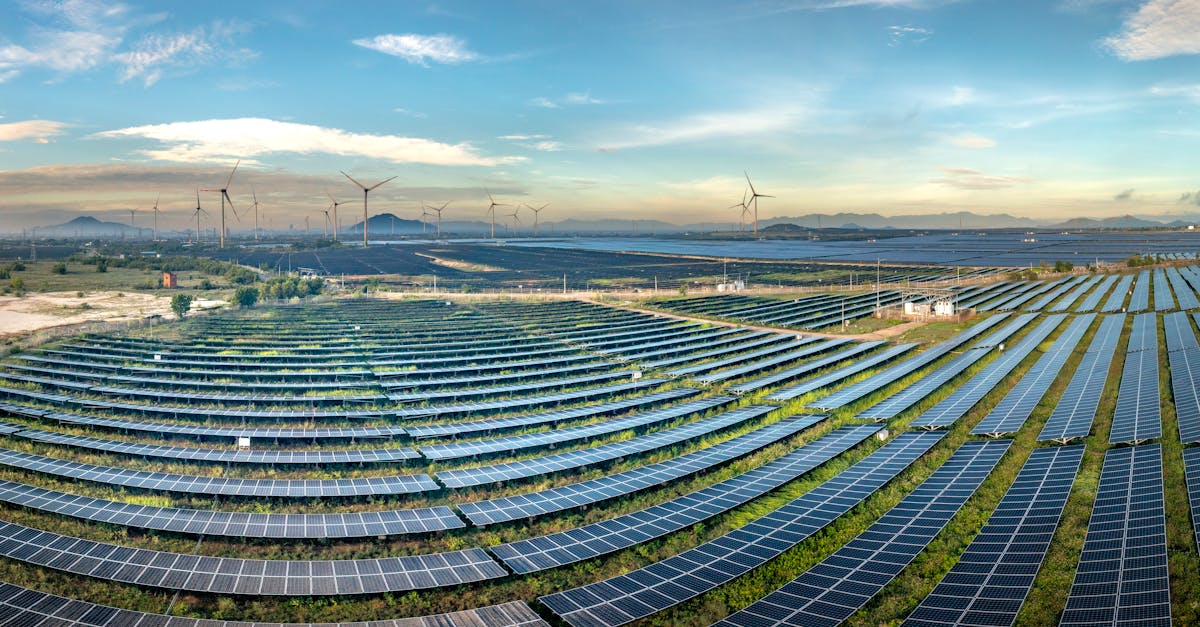
The urgency is clear when looking at energy consumption numbers. U.S. data centers used 176 terawatt-hours of electricity in 2023, accounting for about 4.4% of the nation's total power, according to the U.S. Department of Energy. This could skyrocket to 325–580 TWh by 2028, largely due to AI servers. By 2035, AI data centers alone might double total U.S. data-center demand to around 9% of the national grid. Globally, data centers could consume over 4% of electricity by 2035, making them one of the world’s biggest power users. While solar and wind are valuable, their intermittent nature makes them less ideal for AI's nonstop needs. Nuclear, however, provides constant, carbon-free electricity, perfectly suiting AI's continuous operations and helping us reduce reliance on fossil fuels.
Tech giants are not waiting for grid upgrades. Companies like Microsoft, Meta, and Amazon Web Services are directly partnering with nuclear operators to secure stable, long-term power. Microsoft signed a 20-year deal with Constellation to restart a reactor, while Meta expanded an Illinois nuclear plant, and Amazon secured a 10-year contract for power. These strategic moves demonstrate that securing clean, steady nuclear energy is becoming a critical advantage in the race to develop AI responsibly and sustainably.
Jensen Huang's backing has given companies like Oklo a huge boost, placing them at the forefront of AI, clean energy, and next-generation nuclear technology. While challenges like regulatory reviews remain, the overall trend is undeniable: AI needs nuclear power to grow, and nuclear solutions are finally getting the attention and investment they deserve. This marks an exciting, and environmentally significant, chapter for advanced nuclear reactors.