AI's Hidden Cost: US Natural Gas Surges. What Does it Mean?

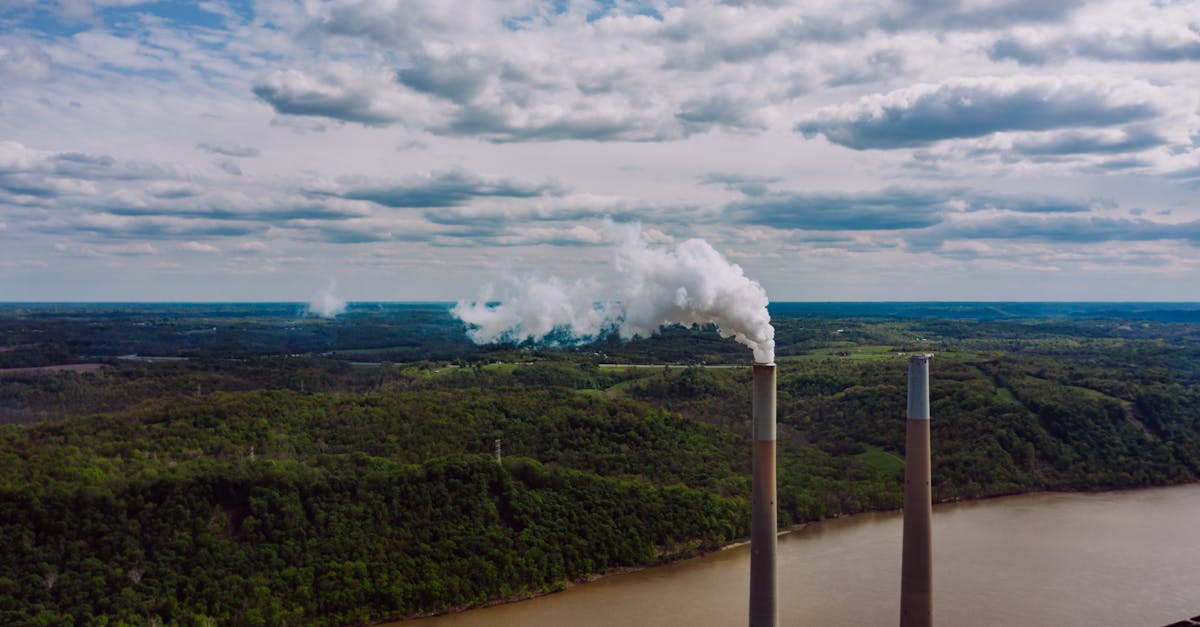
The U.S. natural gas industry is experiencing significant growth in 2026, with record production driven by rising electricity demand from AI data centers, manufacturing, and electrification. Natural gas remains the leading source of U.S. electricity, often balancing renewable energy and replacing coal. However, this surge comes with increasing scrutiny due to its substantial carbon dioxide and methane emissions, which significantly contribute to global warming. This complex situation highlights the ongoing challenge of balancing energy needs with urgent climate action.
The United States is seeing record natural gas production, making it the world's largest producer. This growth is fueled by increasing demand for power across the country, especially from new artificial intelligence infrastructure and growing electrification efforts. Stable prices, supported by this high production, are also making natural gas an attractive option for power generation.
Indeed, natural gas continues to be the backbone of U.S. electricity, reliably providing nearly 40% of the nation's power. It plays a crucial role in supporting the grid by quickly adjusting output when renewable sources like wind and solar fluctuate. This ability helps keep the lights on even as electricity use reaches new highs, driven by energy-hungry AI data centers and cryptocurrency facilities.
While natural gas emits less carbon dioxide than coal, leading to some reductions in overall power sector emissions over the years, it is still a fossil fuel. The U.S. Energy Information Administration (EIA) projects energy-related CO₂ emissions to remain significant, hovering around 4.8 billion metric tons annually in the near term U.S. dry natural gas production. Moreover, methane leaks during natural gas production and transport are a serious concern. Methane is a potent greenhouse gas, meaning even small leaks have a much stronger warming effect than carbon dioxide in the short term, intensifying the urgency of climate action.
The rapid expansion of AI is a game-changer, dramatically increasing electricity needs. Utilities are often turning to natural gas plants to meet this surging demand while longer-term renewable energy and transmission projects are developed. Experts warn that relying heavily on gas for AI could dramatically increase greenhouse gas emissions if clean energy solutions don't keep pace rapid growth of AI infrastructure. This makes the push for electrification and sustainable energy solutions more critical than ever, highlighting the urgent need to transition away from fossil fuels.
The future of natural gas in the energy transition is a complex debate. Supporters point to its reliability and affordability, as well as its role in allowing more wind and solar power onto the grid. However, critics emphasize its continued emissions and the risk of delaying a full shift to cleaner energy. Reducing methane emissions, developing carbon capture technologies, and accelerating the deployment of renewable energy and battery storage are all essential steps if the U.S. is to meet its long-term climate goals while still powering its growing needs.