AI's Hidden Power Demand Unlocks New Clean Energy Market

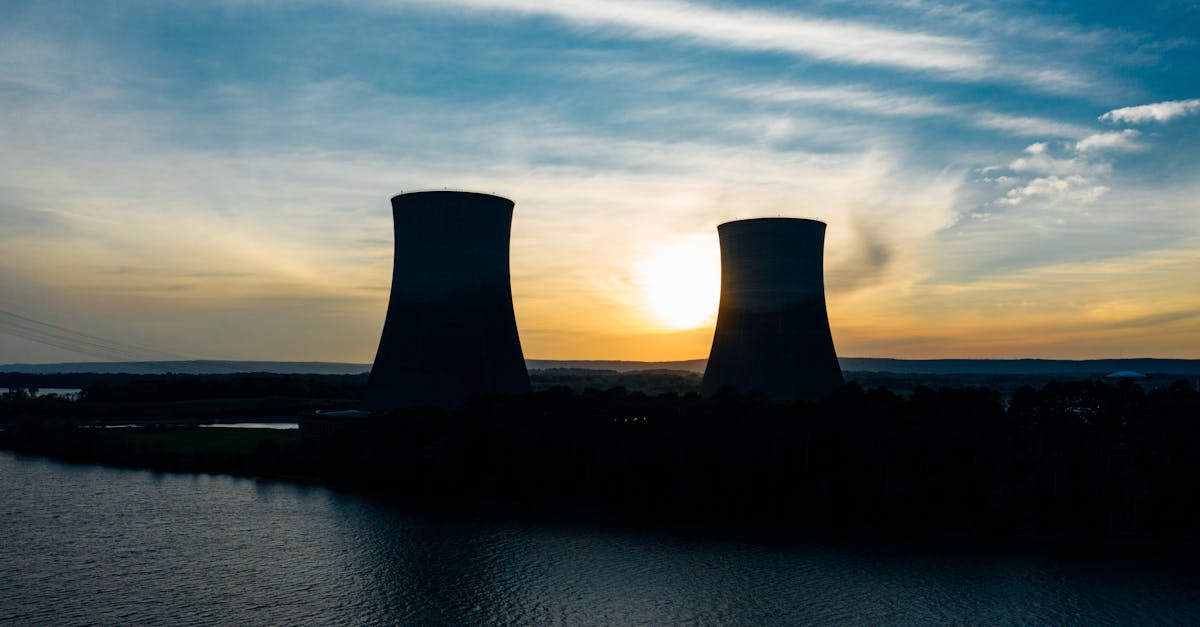
Xpansiv, a leading environmental commodity exchange, has expanded its clean energy market to include Emission-Free Energy Certificates (EFECs) from New England's nuclear power plants. This move comes as the world faces a skyrocketing demand for electricity, largely driven by the growth of artificial intelligence, cloud computing, and electric vehicles. Nuclear power, offering reliable, carbon-free baseload electricity, is increasingly seen as a vital solution to meet these energy needs while accelerating the global transition to a sustainable future. The expansion provides companies with more ways to support clean energy and meet their ambitious climate goals.
The launch of NEPOOL Emission-Free Energy Certificates (EFECs) on Xpansiv’s CBL spot exchange marks a significant step. These certificates, representing clean electricity from nuclear and other emission-free sources, now trade alongside existing PJM EFECs, Renewable Energy Certificates (RECs), and carbon credits. This expansion connects two major U.S. electricity markets, providing companies with more options to verify their commitment to a carbon-free power supply.
Our world's electricity demands are surging. Technologies like artificial intelligence and the rapid adoption of electric vehicles are consuming vast amounts of power. This puts immense pressure on grids to deliver reliable, always-on energy without increasing carbon emissions. While solar and wind are growing fast, their intermittent nature means a constant, stable source of clean power is critical. This is where nuclear energy shines, offering a steady, emissions-free alternative to fossil fuels, essential for tackling global warming.
Nuclear power is making a strong comeback in the climate conversation. The International Energy Agency (IEA) predicts global nuclear power generation will hit record highs, driven by new reactors and increased output [https://www.iea.org/data-and-statistics/charts/year-on-year-global-change-in-electricity-generation-by-source-2019-2027]. This energy source already provides a significant portion of the world's low-emissions electricity, and in the U.S., it accounts for nearly half of all carbon-free power. Major tech companies like Microsoft and Amazon are even partnering with nuclear firms to secure clean, reliable power for their energy-hungry data centers, underscoring its crucial role in decarbonizing our energy future.
This expansion of nuclear certificates reflects a broader shift in environmental markets. Companies are increasingly seeking tangible proof that their electricity comes from zero-carbon sources, moving beyond traditional carbon offsets. By offering diverse environmental products, exchanges like Xpansiv make it easier for businesses to invest in and support the clean energy transition. This not only helps them achieve their sustainability targets but also contributes directly to reducing global warming by accelerating the shift away from fossil fuels.