AI's Hidden Power Thirst: How It's Sparking a Clean Energy Boom

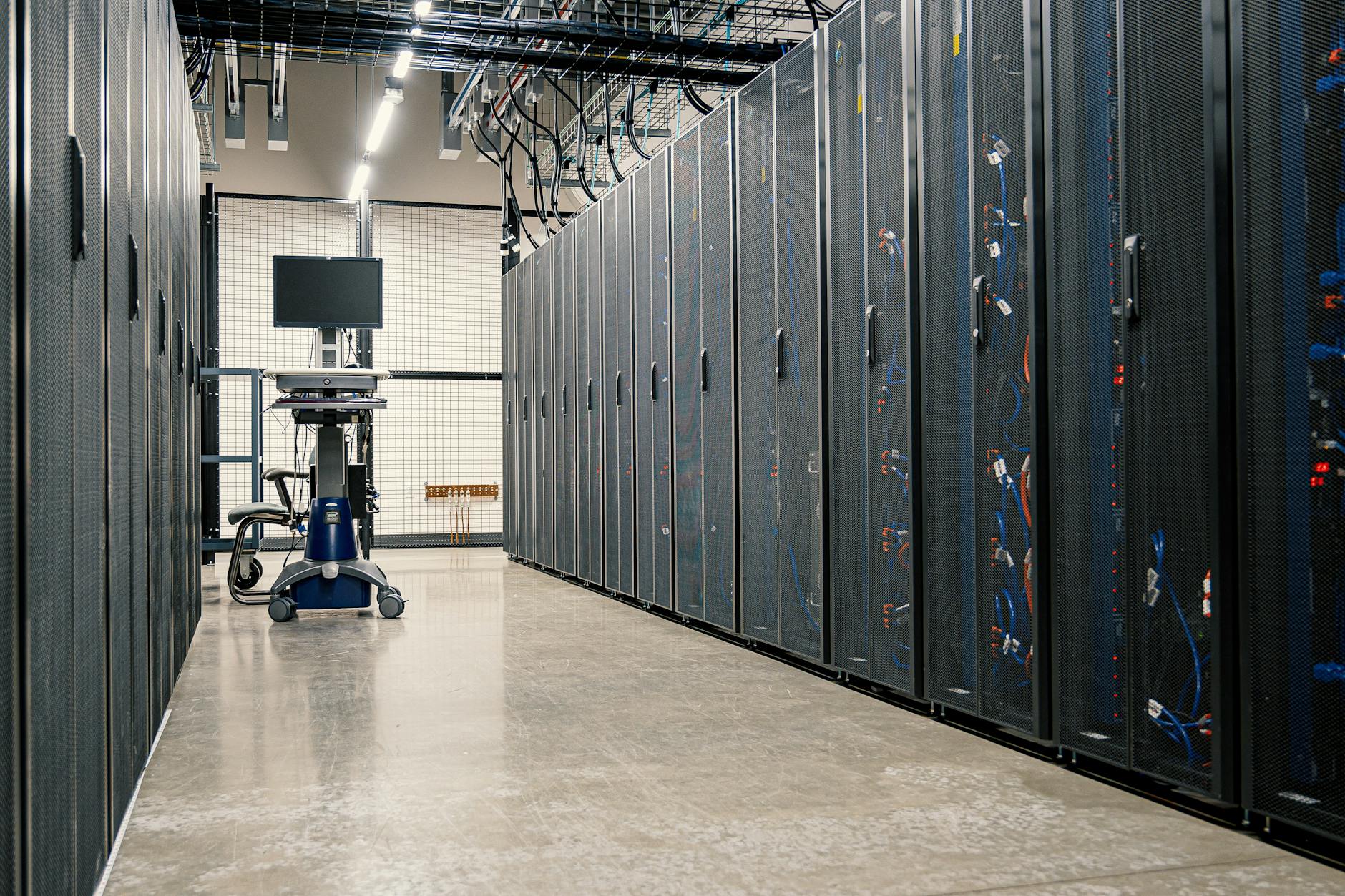
Artificial intelligence is dramatically increasing global electricity demand, projected to more than double by 2030, according to the International Energy Agency (IEA). This surge, combined with ongoing government efforts for decarbonization, is propelling the clean energy sector into a new phase of growth. Investments in sustainable solutions like renewables and electrified transport reached a record $2.3 trillion in 2025, as estimated by BloombergNEF. This dual-driven demand highlights an urgent need for reliable, scalable, and lower-carbon power, making electrification key to both technological advancement and environmental protection.
The clean energy sector is experiencing unprecedented growth in 2026, driven not just by climate goals but also by the enormous power needs of artificial intelligence. Data centers, essential for AI, are consuming vast amounts of electricity, creating a significant opportunity for companies that can provide sustainable and reliable power solutions.
This shift underscores the urgent need for environmental action and the benefits of transitioning to clean energy. As global warming continues to be a critical concern, the push for electrification offers a clear path toward a healthier planet.
Bloom Energy is a standout, providing solid oxide fuel cells that offer lower-emission electricity. These systems are especially attractive for AI data centers because they can be deployed quickly, often bypassing lengthy utility grid connections. Their ability to operate independently with natural gas, biogas, or hydrogen blends highlights a flexible, cleaner power option, supporting critical AI infrastructure while striving for environmental improvement.
NextEra Energy, a global leader in renewables, is scaling its solar, wind, and battery storage projects to meet this surging demand. With a massive project pipeline, including significant developments for data centers, NextEra demonstrates how large-scale clean energy can power our future. Their focus on battery storage is crucial for stabilizing grids that increasingly rely on renewable sources, ensuring a consistent, cleaner power supply.
GE Vernova is crucial for building the backbone of this new energy era. By providing grid systems, transformers, and renewable energy equipment like wind turbines, they are modernizing our electricity infrastructure. As global electricity demand rises and more renewable energy comes online, updating and expanding our grids is essential for efficient, clean power delivery, helping nations meet climate and electrification goals.
First Solar stands out in solar manufacturing with its thin-film technology. Benefiting from policies that support U.S. clean energy production, the company is rapidly expanding its manufacturing capacity. Its modules offer a cleaner way to generate electricity, reducing our reliance on fossil fuels. With a substantial backlog of orders and strong financials, First Solar exemplifies how domestic, sustainable manufacturing can help meet global solar demand and contribute significantly to decarbonization efforts.
This synergy between AI and electrification is a new engine for clean energy markets. The demand for efficient, reliable, and sustainable power is accelerating the transition away from fossil fuels. While challenges remain, the long-term trend towards increasing electricity demand and decarbonization points to a bright future for clean energy, benefiting both technological progress and environmental health.