AI's Hidden Toll: What Data Center Growth Means for Your Health

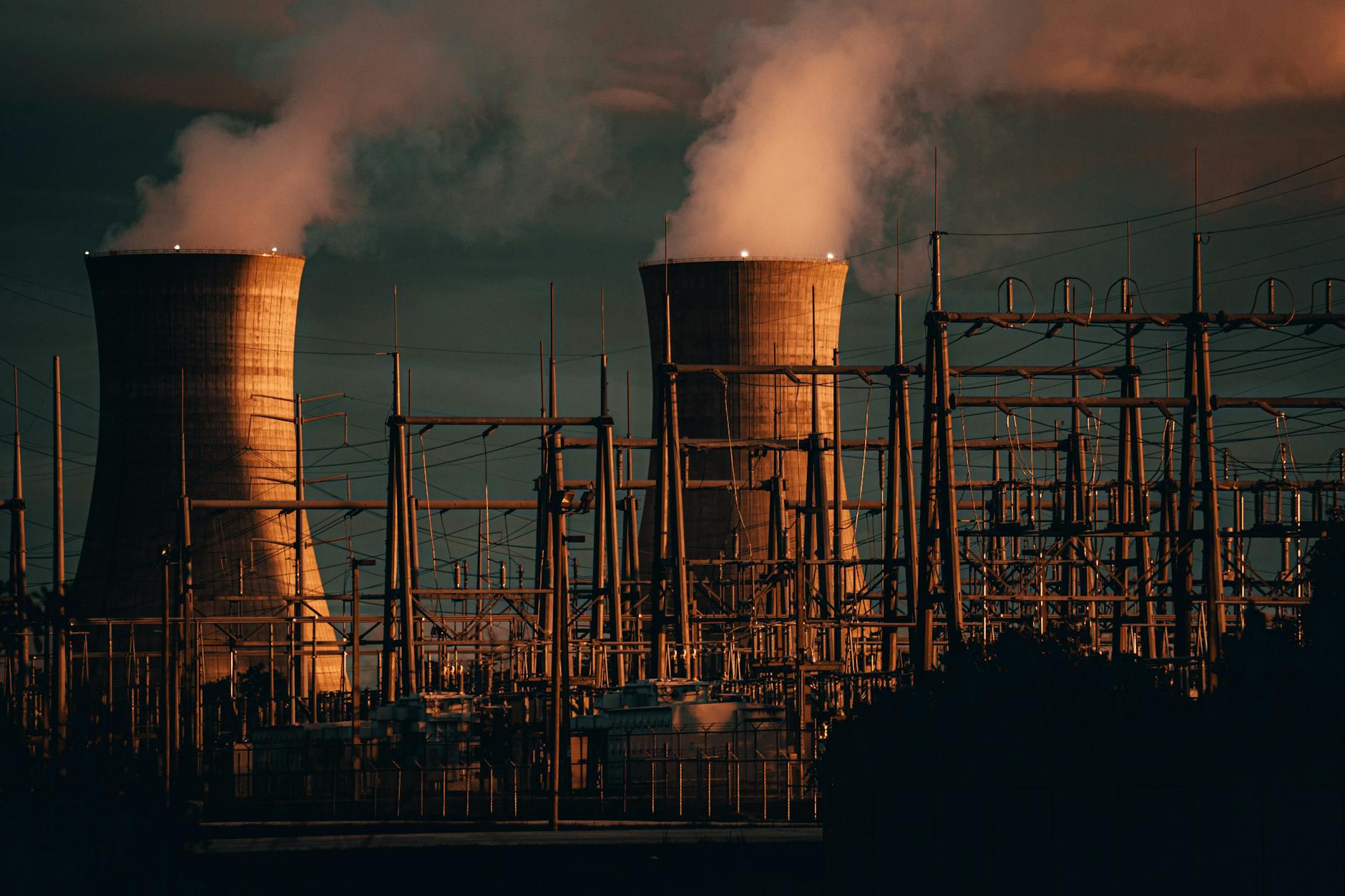
The rapid growth of artificial intelligence is sparking a surge in data centers, bringing with it a troubling rise in health risks, according to former Environmental Protection Agency (EPA) officials. A new report highlights how these facilities, often powered by fossil fuels, contribute to dangerous pollution linked to serious illnesses. This expansion comes as environmental safeguards are reportedly being dismantled, raising urgent questions about our air, water, and public health. It’s a stark reminder of the environmental cost of unchecked technological advancement.
A recent report by the Environmental Protection Network (EPN), an organization of former EPA staffers, reveals the concerning health hazards tied to the mushrooming data center industry. These massive facilities demand immense power, often supplied by fossil fuels, leading to increased air pollution that can cause asthma, cancer, and heart and lung diseases. This unchecked expansion carries a heavy cost, not just for the environment, but for the well-being of communities.
Critically, these warnings emerge as the federal government is reportedly weakening vital environmental protections, instead prioritizing fossil fuel expansion over cleaner energy solutions. Former officials warn that instead of safeguarding public health, policies are being implemented that fast-track data center permits and extend the life of polluting power plants, pushing us backward in the fight for clean air and a healthy planet. This approach not only ignores the urgency of global warming but also sets a dangerous precedent for future generations.
Public concern is also mounting, with many Americans opposing the rapid data center buildout due to rising utility bills, excessive water use, noise, and local air pollution. A YouGov survey commissioned by EPN found that a vast majority of registered voters are worried about policies that quickly approve these projects and want stricter enforcement of environmental laws. This collective voice underscores a shared desire for responsible development that prioritizes people and the planet.
Former EPA leaders are urging a shift in priorities, calling for the restoration and enforcement of pollution safeguards. They emphasize that if America is to undergo such a large industrial and energy expansion, the EPA’s ability to hold polluters accountable should be strengthened, not weakened. A study by university researchers projected that under a high-growth scenario, data center air pollution could lead to hundreds of thousands of asthma cases and thousands of premature deaths by 2028, with health costs soaring into the billions. These numbers highlight the critical importance of immediate environmental action.
Dr. Lynn Goldman, a pediatrician and former EPA assistant administrator, notes that these alarming figures might only scratch the surface, especially given recent policy changes. She stresses that some of the worst health impacts from air pollution, like heart attacks or harm to fetal development, can manifest almost immediately. The time to act for cleaner air and a healthier future is now, demanding vigilance and a firm commitment to sustainable solutions.