AI's Massive Power Needs Get a Bold, Clean Energy Answer

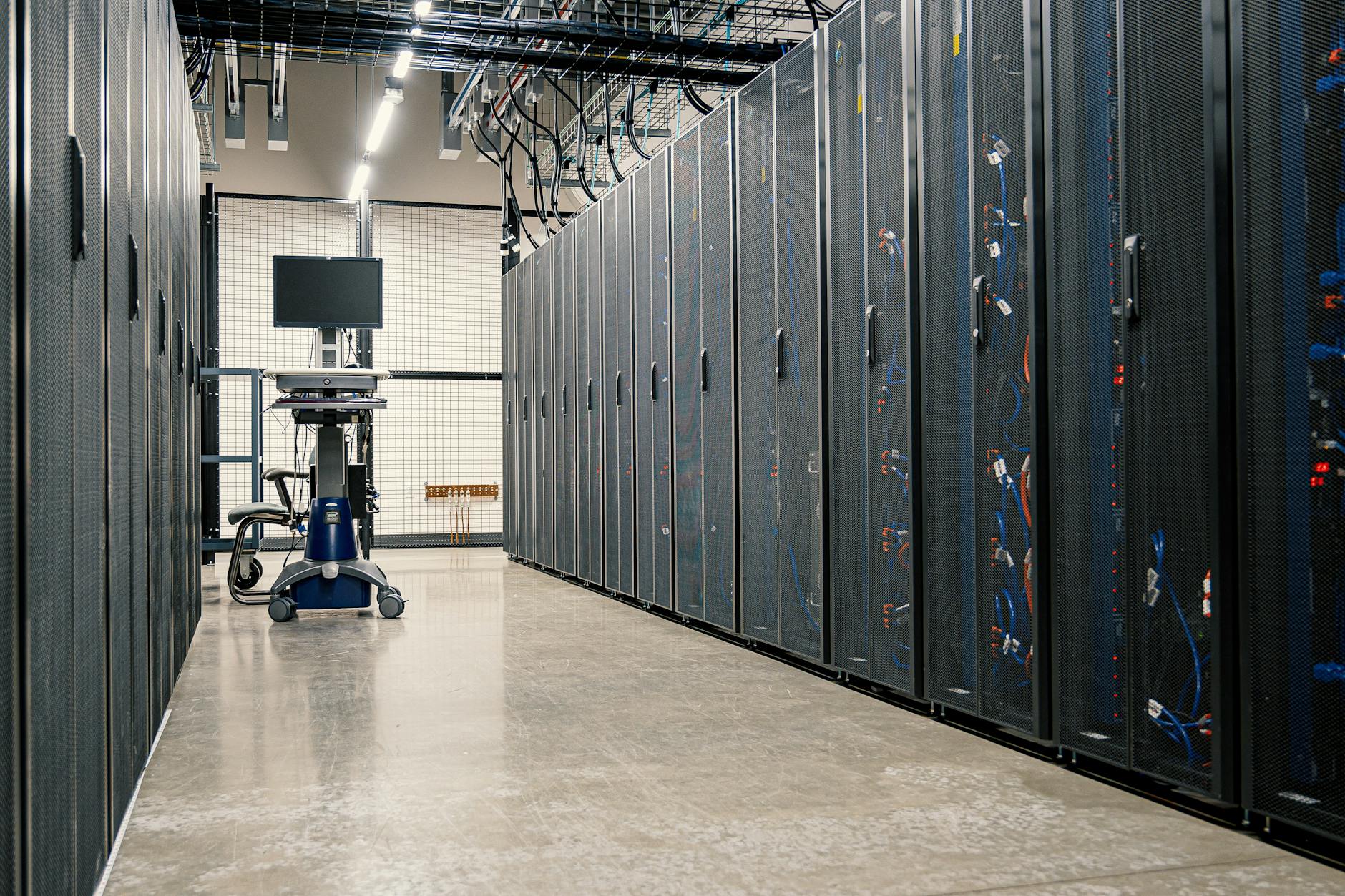
The global surge in artificial intelligence is driving an unprecedented demand for electricity, pushing data centers to seek reliable, low-carbon power sources. In response, AtkinsRéalis and NVIDIA have announced a collaboration to explore nuclear-powered “AI factories.” This partnership combines engineering and nuclear expertise with advanced AI design tools, aiming to build next-generation computing hubs. The goal is to meet AI’s growing energy needs sustainably, providing stable, emissions-free power for our digital future.
AtkinsRéalis Group has teamed up with NVIDIA to develop large-scale, nuclear-powered data centers. These facilities, dubbed “AI factories,” are designed to support the intense computing demands of artificial intelligence using steady, clean energy. The collaboration merges AtkinsRéalis’s deep engineering and nuclear industry experience with NVIDIA's cutting-edge digital and AI design tools, like Omniverse, to simulate and test infrastructure before construction. This approach aims to speed up the deployment of highly efficient computing hubs powered by nuclear energy.
Nuclear energy is increasingly seen as a crucial solution for AI's immense and constant electricity appetite. AI data centers already consumed about 415 terawatt-hours (TWh) globally in 2024—enough to power all of Japan for a year—and this figure is projected to reach 800 TWh by 2026. Nuclear plants offer 24/7 baseload power, a stable source that doesn't depend on weather conditions, making them ideal for uninterrupted AI operations. Experts like Goldman Sachs estimate that up to 90 gigawatts (GW) of new nuclear capacity may be needed by 2030 just for data centers.
This shift toward nuclear power is vital for addressing climate change. While data centers are expected to account for up to 12% of total U.S. power demand by 2028, a significant portion of their current electricity still comes from fossil fuels, contributing to carbon emissions. By choosing nuclear, companies are moving towards electrification with a low-carbon alternative, supporting global sustainability goals and major tech firms' commitments to net-zero emissions. This means powering data centers with clean electricity, improving efficiency, and adopting innovative technologies like nuclear energy.
Interestingly, AI isn't just consuming power; it's also helping to design the next generation of energy infrastructure. NVIDIA's Omniverse and AI analytics can simulate complex systems, optimizing nuclear reactor designs, safety planning, and integration with computing facilities. This digital twin modeling helps engineers refine performance before construction, potentially accelerating the development of Small Modular Reactors (SMRs). SMRs, being smaller and more modular, can be built faster and at lower costs, making them a key player in providing carbon-free energy for future data centers.
Despite the clear benefits, challenges remain, including the high cost, lengthy construction times, and regulatory hurdles associated with nuclear infrastructure. Public perception of nuclear safety also influences project timelines. Streamlined permitting processes and strong public and private investments will be crucial to scaling nuclear power for AI support. However, as major tech players like Meta and Google increasingly explore nuclear solutions, the convergence of energy and computing is undeniable. This integration of AI design tools with nuclear engineering promises to make future AI factories safer, more efficient, and align with our pressing sustainability goals.