AI's Next Bottleneck? Nvidia's $3B Bet on Power [Infrastructure]

Nvidia is making a significant move, planning to invest up to $3 billion in Lancium, a Texas-based company focused on power infrastructure for AI data centers. This massive investment highlights a crucial shift: the race for artificial intelligence is no longer just about powerful chips, but also about securing reliable and substantial electricity to run these energy-intensive systems. As AI's energy footprint grows, ensuring sustainable power sources becomes vital for the future of technology and our planet. This investment aims to tackle the challenge of providing the vast amounts of electricity needed for the next generation of AI.
Nvidia, known for its leading AI processors, is expanding its strategy by diving deep into the infrastructure required to power these systems. The company plans to initially invest $2 billion for a 20% stake in Lancium, with a potential additional $1 billion if certain conditions, like securing more grid connections, are met. This deal values Lancium, along with its land and power assets, at about $10 billion.
The growing demand for AI is creating an unprecedented surge in electricity use. The International Energy Agency predicts that data center electricity use globally will more than double by 2030, accounting for nearly 3% of worldwide electricity consumption. AI is the primary force behind this rapid increase, with accelerated servers for AI workloads expected to grow by roughly 30% each year through the end of the decade. In the United States, data centers could be responsible for almost half of the country's electricity demand increase by 2030, according to a report from LBNL.
This makes reliable power and quick grid connections critical strategic issues for the AI industry. Without sufficient electricity, even the most advanced AI chips cannot operate, creating a bottleneck for innovation and expansion. This is where companies like Lancium come in, developing large data center campuses that can manage and integrate significant power.
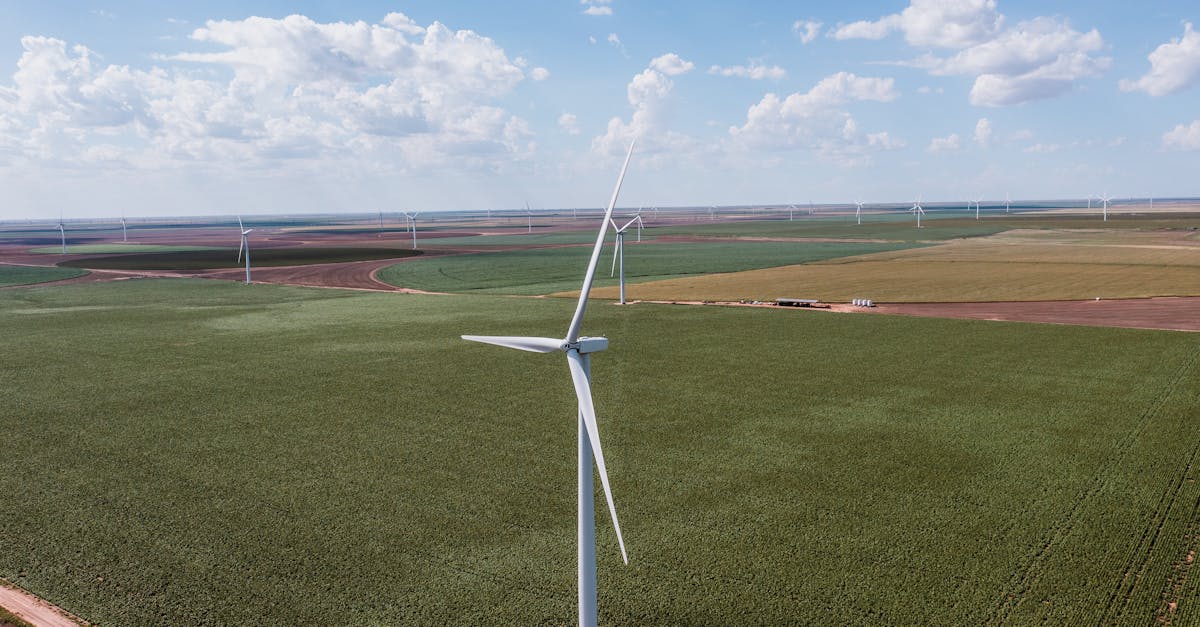
Texas is becoming a hotspot for this infrastructure build-out, partly due to its existing grid capacity. Lancium's Abilene campus, for instance, already boasts a 1.2-gigawatt grid connection approved by ERCOT. This campus is also linked to the ambitious Stargate project, which counts OpenAI, Oracle, and SoftBank among its backers. Lancium's approach focuses on combining large data centers with smart power infrastructure and systems that can support grid reliability, often by integrating renewable energy sources. This blend of massive capacity and smart energy management is essential for a sustainable future for AI.
For Nvidia, this investment isn't just about business expansion; it's also about its environmental commitments. While Nvidia aims to match 100% of its operational electricity use with clean energy and has set science-based emissions targets, the sheer scale of AI's energy demand poses a challenge. The company's indirect emissions, known as Scope 3, have nearly tripled in just two years, largely due to the energy footprint of its sold GPUs. This makes the electricity source for AI data centers increasingly central to Nvidia's environmental story and the broader push for a greener future.
Ensuring that AI growth is powered by clean, sustainable electricity will be crucial. Renewable energy sources are expected to meet about half of the rising global data center electricity demand over the next decade. However, consistent, around-the-clock power needs for AI mean that renewables will likely need to be complemented by energy storage and smart grid management, and potentially other clean, dispatchable sources like nuclear power. Nvidia's investment in Lancium underscores that the tech giant is looking to play a role in both the hardware that powers AI and the sustainable electricity infrastructure that enables it, driving forward the electrification of a rapidly expanding digital world.