Your Aid Money Is Fueling Millions Of Toxic Air Deaths!

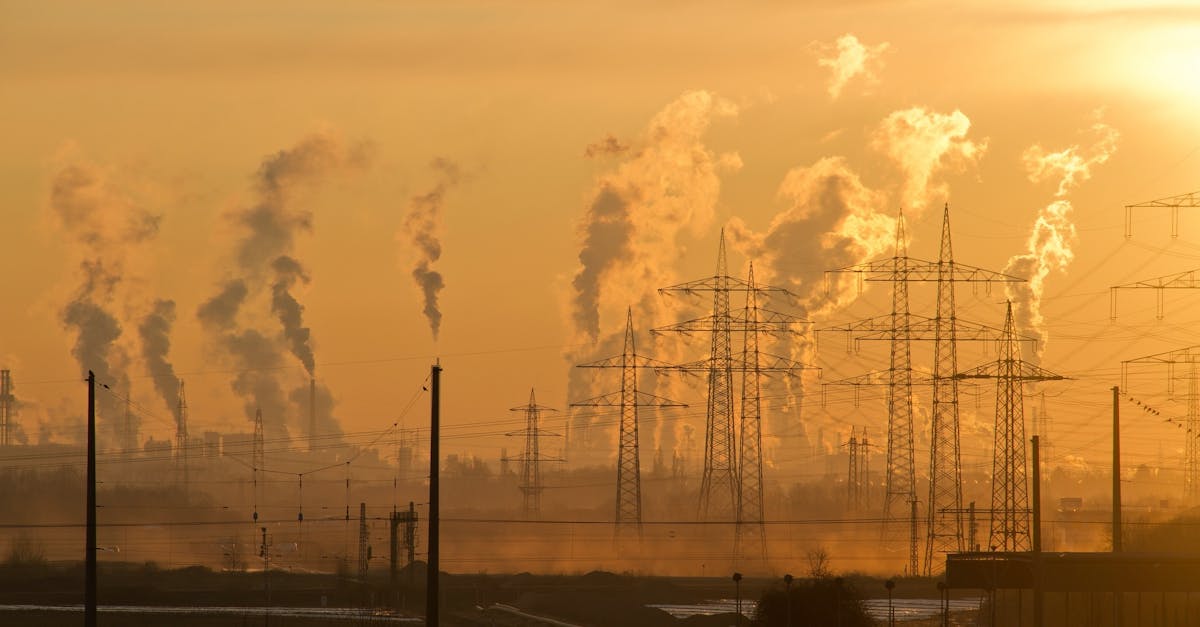
Governments are funneling significantly more aid into projects that prolong fossil fuel use rather than tackling air pollution, a new report by the Clean Air Fund reveals. In a single year, funding for fossil fuels skyrocketed by 80% to $9.5 billion, while support for clean air initiatives dropped by a fifth to just $3.7 billion. This alarming trend jeopardizes a global pledge to halve air pollution deaths by 2040. Experts warn that unless this course changes, millions more lives will be lost to toxic air, despite clear solutions existing.
Governments worldwide are directing vast sums of aid towards activities that extend our reliance on fossil fuels, far outstripping the support given to combat deadly air pollution. A recent report from the Clean Air Fund highlights this worrying imbalance, showing an 80 percent surge in fossil fuel-prolonging funding to $9.5 billion in just one year. Meanwhile, aid for clean air initiatives fell by a fifth to a mere $3.7 billion, representing only about one percent of all international development finance. This critical misdirection comes as global aid budgets are already under pressure.
Jane Burston, chief executive of the Clean Air Fund, states that despite governments pledging to halve air pollution harm by 2040, the money continues to flow in the wrong direction. She emphasizes that continuing to support fossil fuels will lead to millions more deaths from toxic air. Investing in clean air is one of the most effective ways to protect health, strengthen economies, and fight climate change, making every dollar spent on fossil fuels a step backward.
The impact of air pollution is stark: it kills 5.7 million people annually, a figure the World Bank projects will climb to 6.2 million by 2040 if stronger actions aren't taken. Beyond the human cost, it's also responsible for an estimated 1.2 billion lost work days globally each year, affecting economies. Dr. Dion George, South Africa’s minister of forestry, fisheries and the environment, noted in the report that air pollution is not an inevitable problem and that solutions are readily available, with immediate benefits.
Adding to the concern, the limited funding available for clean air is distributed very unevenly. In 2023, 65 percent of outdoor air quality finance went to the Philippines, Bangladesh, and China. In stark contrast, Sub-Saharan Africa experienced a drastic 91 percent reduction, receiving only $11.8 million, which is less than one percent of all global outdoor air quality funding. Urgent action and a re-evaluation of aid priorities are essential to protect lives and secure a healthier future for everyone.