Airlines Bet Big: What's Driving Aviation's Green Revolution?

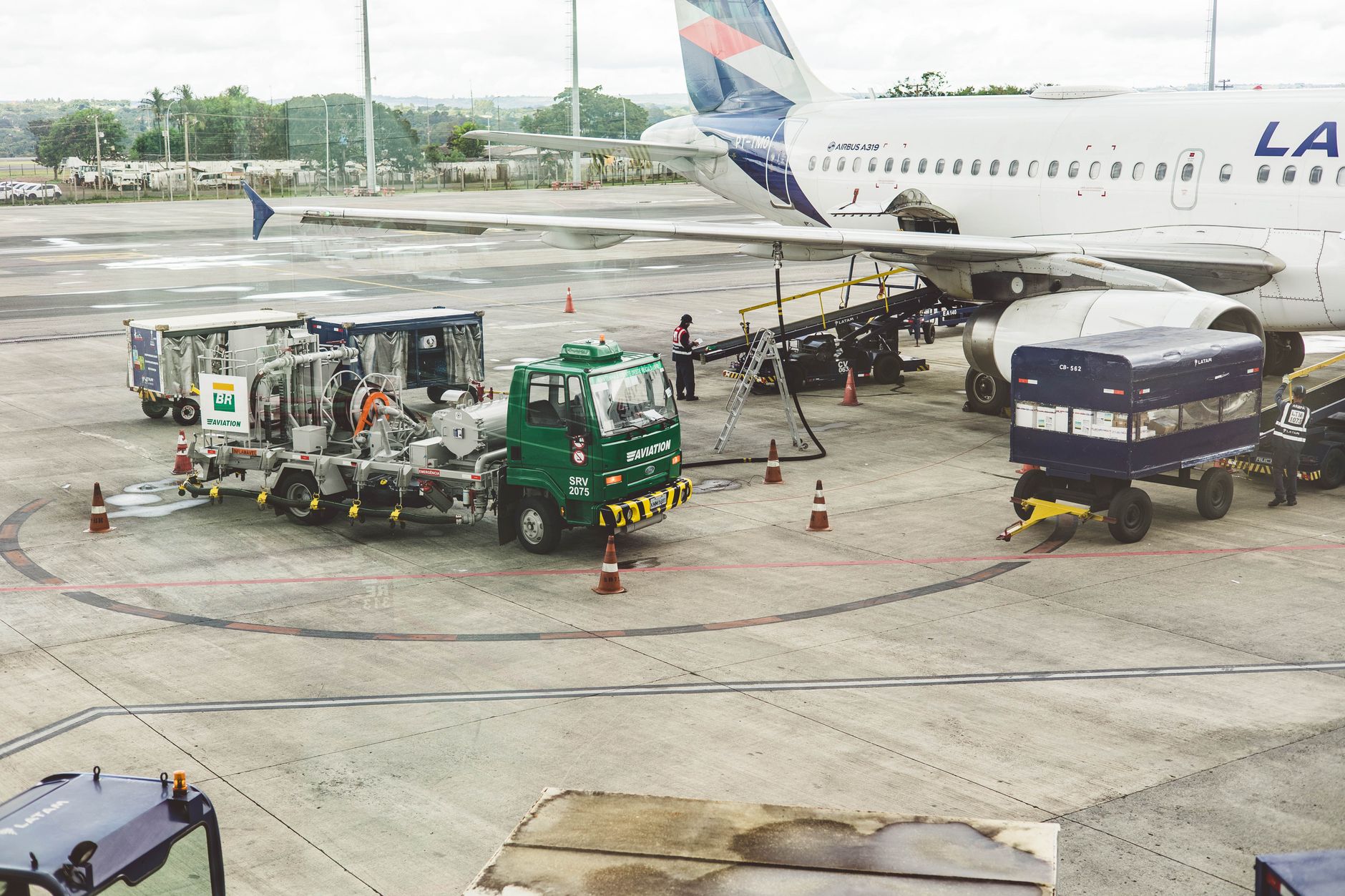
Delta Air Lines and Shell are expanding their partnership with a new five-year agreement to significantly boost the supply and infrastructure of sustainable aviation fuel (SAF) across the United States. This crucial collaboration aims to decarbonize one of the hardest-to-clean industries, pushing aviation closer to its net-zero emissions goals. As global warming intensifies, such initiatives are vital for reducing the environmental impact of air travel and building a more sustainable future. The deal focuses on critical airports, addressing both fuel availability and the necessary delivery networks.
The new agreement between Delta and Shell isn't just about buying greener fuel; it's about building the entire system needed to get it into planes at major airports like Los Angeles (LAX) and New York (JFK). This includes creating new storage, blending, and distribution networks. This move is hugely important because airlines face increasing pressure to cut down on their carbon footprint while global travel demand continues to grow.
Aviation is notoriously difficult to decarbonize. Unlike cars, long-haul aircraft can't yet rely on batteries or hydrogen at a large scale. This makes sustainable aviation fuel one of the few practical solutions available today to significantly reduce emissions using existing planes and airport facilities. The International Civil Aviation Organization (ICAO) has set a goal for international aviation to reach net-zero carbon emissions by 2050, a target that airlines worldwide have also embraced.
Delta is making SAF a central part of its plan to hit net-zero emissions by 2050, focusing on direct emission cuts rather than just carbon offsets. This involves not only more SAF but also upgrading its fleet with newer, more fuel-efficient planes and improving flight operations. New aircraft already burn less fuel, but SAF is seen as the biggest long-term opportunity to make flying much cleaner. Amelia DeLuca, Delta’s Chief Sustainability Officer, emphasized that this partnership is about proving that scaling SAF is "achievable" and "activating real supply chains at scale." Delta has bought 42 million gallons of SAF since 2021 and aims for 400 million gallons annually by 2030.
Shell is also deepening its commitment to cleaner energy solutions, with SAF being a key part of its strategy to become a net-zero emissions energy business by 2050. The company views these partnerships as vital for strengthening energy security and transforming aviation. As governments introduce new environmental policies, the demand for SAF is set to skyrocket, creating a significant market for Shell to lead in.
One of the biggest overlooked challenges for SAF isn't just producing it, but getting it to the planes. It requires dedicated infrastructure—special storage tanks, blending facilities, and new distribution networks—that traditional jet fuel doesn't. Without these investments at airports, even if SAF production ramps up, it won't be able to meet the demand. The International Air Transport Association (IATA) estimates that airlines will need 449 billion liters of SAF each year by 2050 to reach their net-zero goal, highlighting the massive infrastructure gap that needs filling.
Carbon markets play an important role, too. Programs like the Carbon Offsetting and Reduction Scheme for International Aviation (CORSIA) allow airlines to reduce their environmental obligations by using verified lower-emission fuels. These incentives help make SAF production more economically attractive and encourage further investment.
This Delta-Shell partnership shows how much the aviation industry is changing. While SAF currently makes up a small fraction of aviation fuel, such collaborations are laying the groundwork—literally—for a much greener future. It's a clear signal that the industry is serious about climate action, investing across the entire supply chain to ensure sustainable solutions are ready for tomorrow's flights.