Airlines Face Looming Carbon Credit Crisis by 2028?

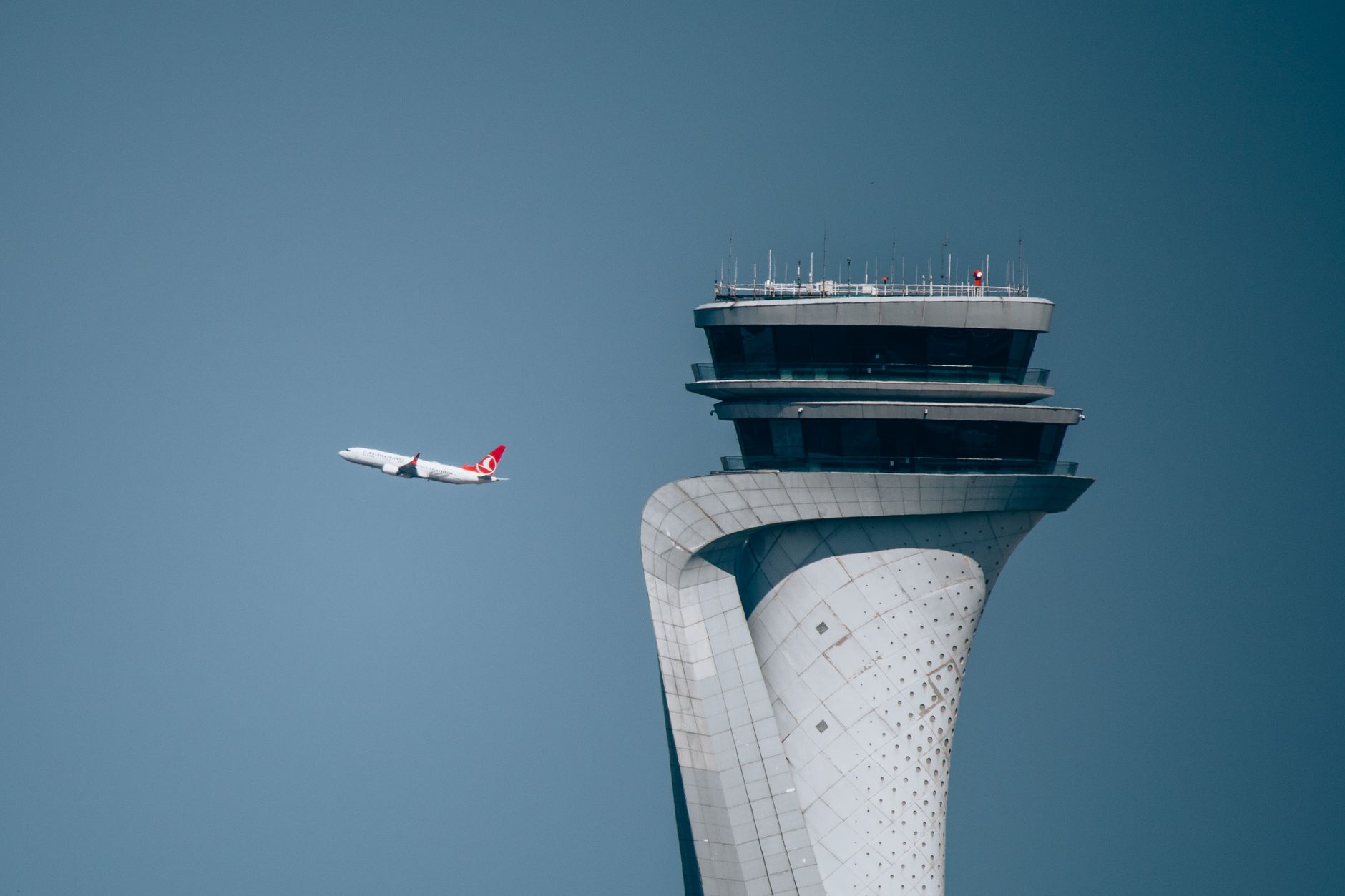
The global aviation industry's primary carbon offset program, CORSIA, is facing a major challenge. A new report from Sylvera warns of a significant shortage of eligible carbon credits, potentially reaching 125 million units by the 2028 compliance deadline. This scarcity could lead to much higher carbon prices and increased financial risks for airlines, threatening their efforts to meet climate targets. As the world pushes for urgent climate action, the success of such programs is crucial for mitigating aviation's environmental impact.
The international aviation industry is at a crossroads with its plan to curb emissions. CORSIA, a groundbreaking program by the International Civil Aviation Organization (ICAO), requires airlines to offset emissions above 2019 levels from international flights. While the first deadline for retiring credits feels distant in early 2028, experts warn that airlines may be unprepared for what's coming.
By 2026, 130 countries will participate in CORSIA, creating a demand for an estimated 163 million carbon credits. However, only a fraction of these credits, around 38 million, currently qualify as eligible. This leaves a staggering gap of about 125 million credits, primarily because many are stalled awaiting necessary approvals.
The bottleneck comes from Article 6 of the Paris Agreement, which requires host countries to formally authorize carbon credits for international use and adjust their emissions records to prevent double-counting. While these steps ensure environmental integrity, only a handful of countries have completed them, creating a significant delay in the market.
Despite the impending compliance deadline, airlines have shown very little buying activity. Only a tiny fraction of the required credits has been retired, as many companies wait for clearer signals from regulators. This delay, however, could prove costly. Experts warn that a last-minute rush to buy credits in 2027 or early 2028 could cause a supply squeeze, driving prices sky-high.
While some factors like geopolitical tensions or changes in European and U.S. participation could slightly reduce demand, they won't solve the core problem of a limited supply of approved credits. This imbalance means the cost of offsetting emissions could more than triple, with estimates suggesting prices could reach $53 per credit by January 2028, up from much lower current levels.
Such a price increase would mean billions of dollars in compliance costs for airlines. With limited options to reduce their historical emissions exposure, the timing of credit purchases becomes critical. For the aviation sector to effectively contribute to global climate goals and manage its environmental footprint, proactive engagement with the carbon market and swift action to secure eligible credits are essential now, not later. The journey to a sustainable aviation future depends on it.