Airlines received billions in EU carbon allowances; where did they go?

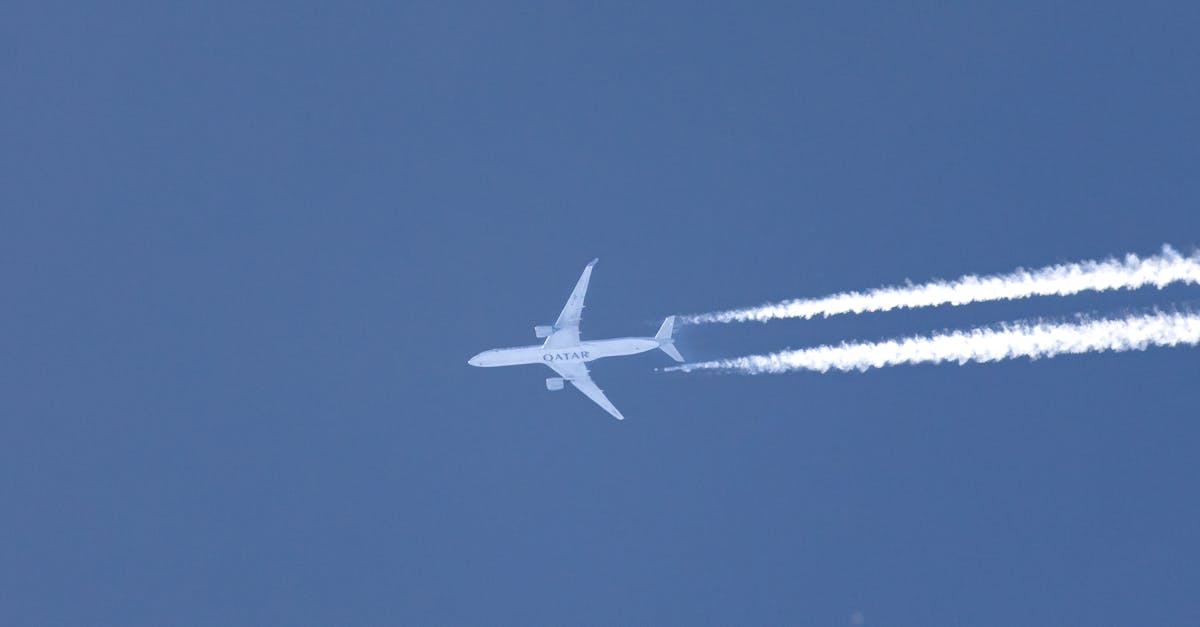
European airlines received billions in free carbon allowances from the EU Emissions Trading System (EU ETS) between 2013 and 2025. A new report by CE Delft reveals that most of this €10.9 billion windfall primarily boosted airline profits rather than fueling essential environmental investments. While intended to support a greener transition, airlines spent only a fraction on sustainable initiatives. This highlights a significant missed opportunity for accelerating aviation's decarbonization efforts and tackling global warming. The EU is now phasing out these free allowances by 2026, aiming for a more impactful approach to climate action.
European airlines benefited from approximately €10.9 billion in free carbon allowances under the EU Emissions Trading System between 2013 and 2025. This system was designed to put a price on carbon emissions and encourage industries to become greener. However, a recent study by CE Delft indicates that these valuable allowances predominantly increased airline profits, rather than pushing significant investment into sustainable solutions.
The report contrasts the massive value of these free allowances with the actual spending on green initiatives. Six major European airline groups collectively spent only about €1.1 billion on sustainable activities, primarily for sustainable aviation fuel (SAF). This stark difference underscores a critical point: funds meant to ease the transition to a low-carbon economy were largely diverted, slowing down progress on reducing aviation's environmental footprint.
The good news is that the EU is changing course. As part of its climate reforms, the free allocation of aviation allowances is being completely phased out by 2026. From then on, airlines will have to purchase all their allowances. This shift ensures a more direct financial incentive for airlines to genuinely reduce their emissions and invest in cleaner technologies. The revenue generated from these auctions can then be channeled back into innovative climate and energy transition projects across Europe, offering a powerful tool in the fight against global warming.
Had the initial €10.9 billion been auctioned instead of given freely, the funds could have supported substantial CO2 reductions or been invested in the EU Innovation Fund, potentially yielding even greater environmental benefits across various sectors. This highlights the immense opportunity cost of policies that don't effectively drive sustainable action. Moving forward, a stronger carbon price and strategic use of auction revenues are vital to scaling technologies like SAF, synthetic fuels, and eventually electric and hydrogen-powered aviation, truly turning carbon costs into measurable progress for a healthier planet.