Alabama's 40-Year Gas Profit Streak: What's Changing?

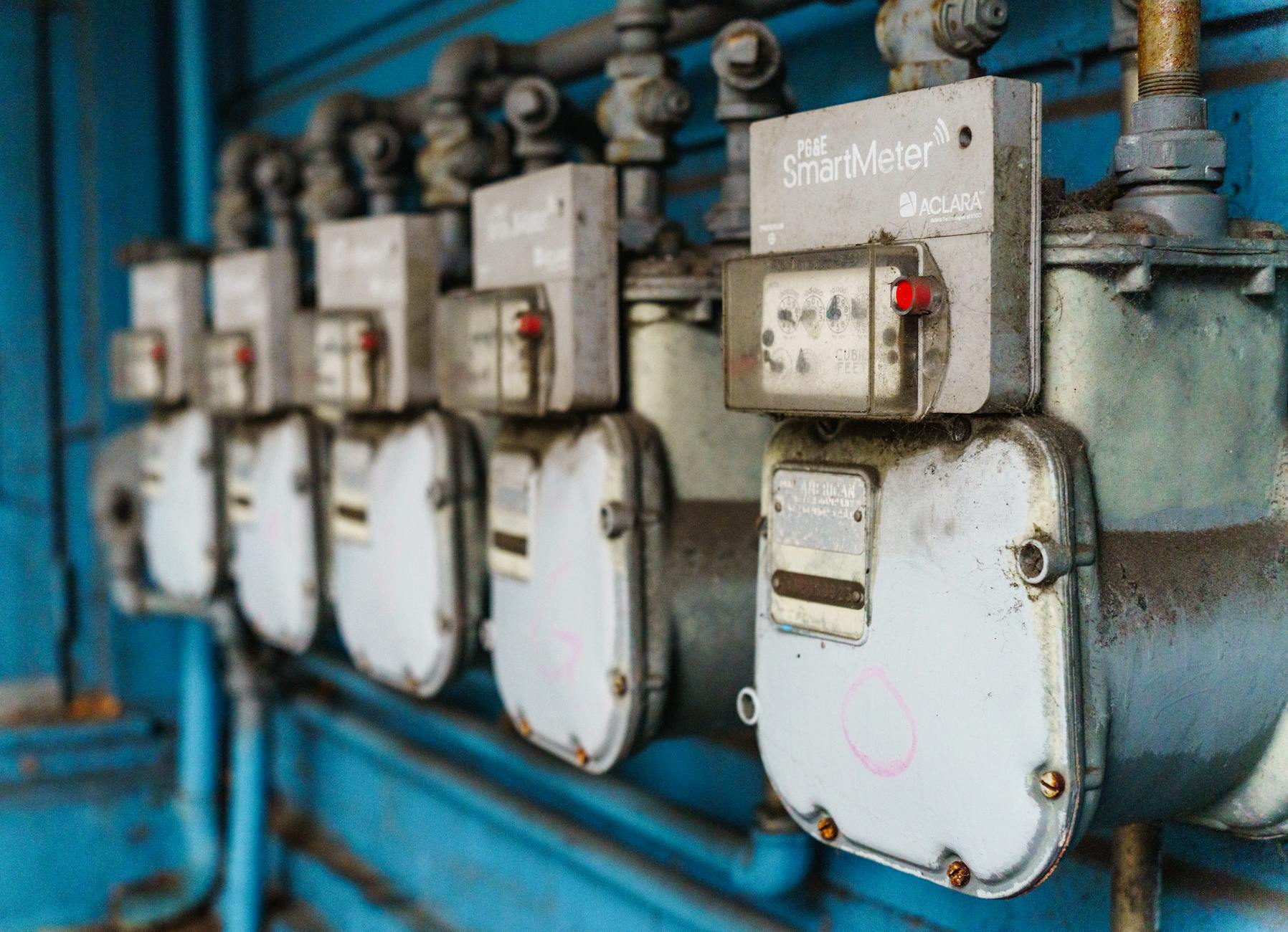
For the first time in over four decades, Alabama utility regulators are holding public hearings to potentially reduce the guaranteed profits of Spire Alabama, a major natural gas provider serving millions. This rare move by the Alabama Public Service Commission (PSC) follows a push by the state’s Attorney General to lower the allowed earnings of Spire, a company that delivers natural gas to homes and businesses across Alabama and neighboring states. The outcome, expected in September, could significantly impact customer bills and signal a broader shift in how states oversee essential utility services. This debate comes at a critical time when communities are increasingly seeking cleaner, more affordable energy choices, highlighting the importance of moving away from fossil fuels.
For the first time in over four decades, Alabama utility regulators are holding public hearings to potentially reduce the guaranteed profits of Spire Alabama, a major natural gas provider serving millions. This rare move by the Alabama Public Service Commission (PSC) follows a push by the state’s Attorney General to lower the allowed earnings of Spire, a company that delivers natural gas to homes and businesses across Alabama and neighboring states. The outcome, expected in September, could significantly impact customer bills and signal a broader shift in how states oversee essential utility services. This debate comes at a critical time when communities are increasingly seeking cleaner, more affordable energy choices, highlighting the importance of moving away from fossil fuels.
Currently, Spire is allowed to earn a profit of around 9.7% on its investments, a rate that has been criticized for being high and lacking transparency. Spire itself argues that lowering their profits would be unfair, potentially making it harder for them to attract investors needed for operations. However, the Attorney General’s office has recommended reducing this target profit to 9.2%, which could save the average ratepayer about $14 each year. An even lower target of 8.3% has been proposed by clean energy advocate Energy Alabama, arguing that the current rates transfer excessive wealth from citizens to Wall Street.
The decision is more than just about numbers; it's about the future of energy in Alabama and beyond. While Spire seeks to increase its profits and change how it charges customers, the current hearings present a unique opportunity to reassess the financial model of fossil fuel utilities. Embracing sustainable solutions and electrification, which offer cleaner and often more stable energy, is vital for protecting our environment and building a resilient future. Reducing the reliance on natural gas and ensuring fair utility pricing are key steps in this global effort to combat climate change and benefit everyday citizens.