Alaska Oil Rush Ignores Key Safeguards [Arctic]

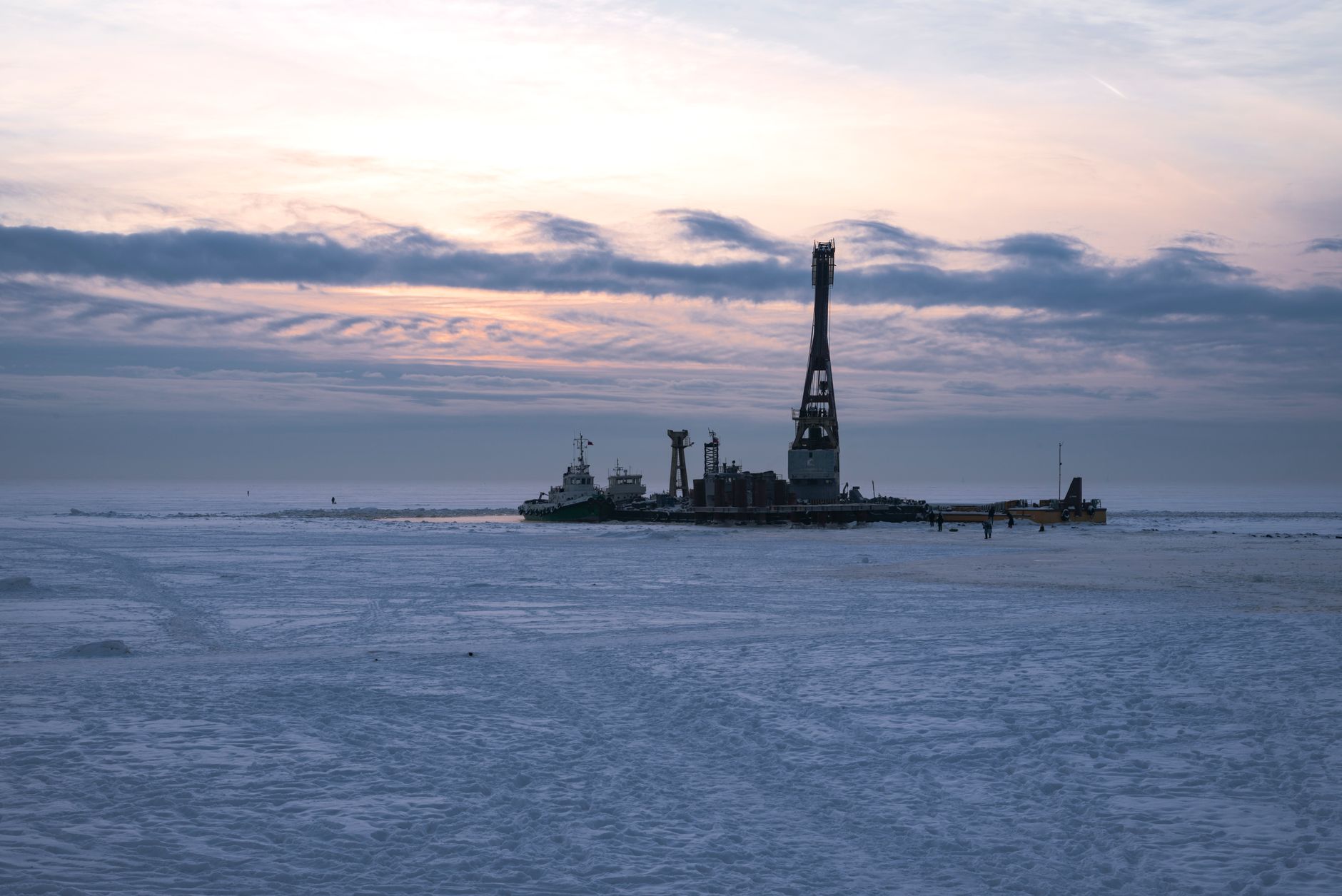
The Trump administration has removed crucial environmental review requirements for oil and gas exploration in Alaska's vast Western Arctic, also known as the National Petroleum Reserve-Alaska. This move, announced by the Bureau of Land Management, aims to accelerate drilling and increase domestic energy supply. However, critics warn it poses significant risks to the region's fragile ecosystems, including rapidly declining caribou populations and other wildlife, and threatens the traditional way of life for local Indigenous communities. The decision comes amidst escalating concerns over the Arctic's accelerated warming and its broader climate impacts.
Oil companies operating in the Western Arctic, the largest federally managed public land in the United States, will no longer need to conduct environmental reviews before exploring for fossil fuels. This change by the Bureau of Land Management (BLM) involves a categorical exclusion under the National Environmental Policy Act for winter exploration. The BLM suggests this will help locate energy resources more quickly, boosting supply and lowering costs, claiming a history of exploration without lasting environmental harm.
Arctic exploration involves activities like building temporary roads, drilling test wells, and using "thumper trucks" for seismic surveys. These operations are mostly limited to winter, when heavy machinery can move over frozen ground without damaging the delicate tundra and permafrost. However, even these winter activities carry significant risks to the region's people and its already threatened wildlife.
The Western Arctic is crucial for the Iñupiat people and serves as vital habitat for hundreds of thousands of caribou across three major herds. Sadly, caribou populations in the region have already plummeted by more than half since the 1990s, according to the National Oceanic and Atmospheric Administration’s 2024 Arctic Report Card. Industrial development directly interferes with their seasonal migration routes and calving grounds, with research from the United States Geological Survey documenting changes in caribou behavior even with low vehicle traffic. The area is also home to millions of migratory birds, polar bears, and seals, all facing threats from habitat loss as sea ice rapidly melts.
Alarmingly, the Arctic is warming two to four times faster than the global average, creating a dangerous feedback loop where melting ice exposes darker surfaces, absorbing more sunlight and accelerating warming. Critics argue that removing environmental reviews further jeopardizes this extremely vulnerable ecosystem. Environmental groups, like the Alaska Wilderness League, call this a "drill first and discover the impacts later" approach, warning it puts Arctic lands, waters, and wildlife at severe risk. Opponents, including Earthjustice, also question the legality of the exclusion, citing a lack of public input.
The push for accelerated oil extraction has divided Alaska Native communities. While some Iñupiat communities see economic benefits, others view the development as a direct threat to their subsistence hunting traditions and culture. Rosemary Ahtuangaruak, a former mayor of Nuiqsut, highlighted how caribou are pushed away by expanding drilling, reducing opportunities for communities to voice their concerns about pollution and wildlife protection. This move continues a pattern from the Trump administration, which has reopened large portions of the reserve to drilling after earlier restrictions by the Biden administration.