Alaska Race Ignores Key Threat: What Candidates Won't Say

Alaska's U.S. Senate race highlights critical issues like fisheries and oil development, yet candidates largely avoid discussing a silent, powerful force: climate change. Warming waters are drastically impacting the state's vital salmon, a cornerstone of Alaskan culture and economy. Simultaneously, rapid Arctic warming and melting permafrost threaten infrastructure and traditional ways of life for Alaska Natives, creating a stark contrast with the focus on expanding fossil fuel projects. Despite these clear and present dangers, climate change remains largely unaddressed in the political discourse.
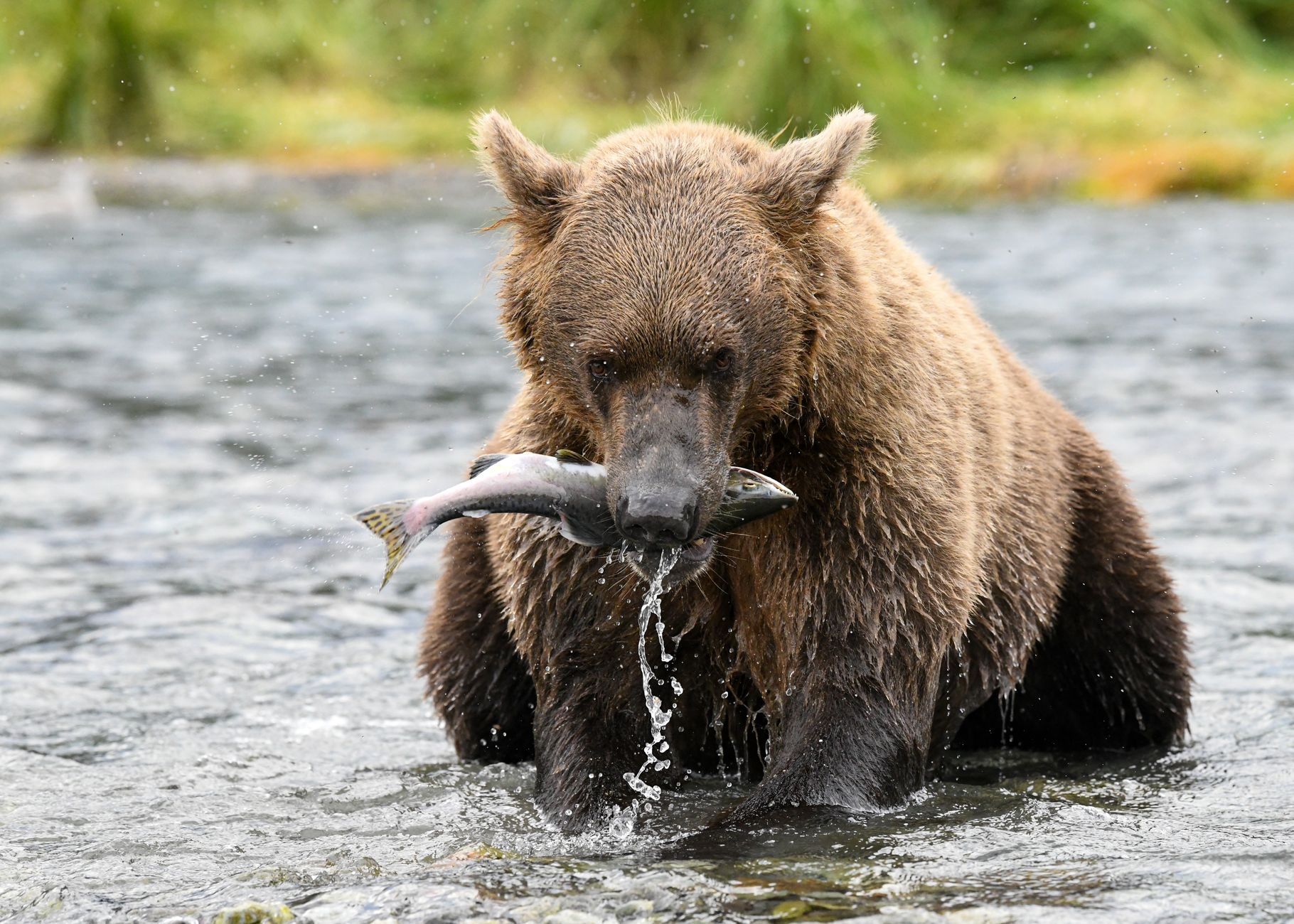
Alaska’s beloved salmon, central to both Indigenous culture and the broader economy, are struggling. Scientists confirm that warming waters are a significant factor in the sharp decline of some salmon species, leading to closures of subsistence and sport fishing along major rivers. While candidates, including Democrat Mary Peltola and Republican Sen. Dan Sullivan, acknowledge climate change's role, they primarily focus on regulating commercial trawling bycatch, a tangible "man-made impact" they feel they can control. Peltola notably stated climate change was "not as easy to get our arms around" as trawling during a debate last month, while Sullivan has introduced legislation to limit bycatch.
On the issue of oil and gas, both candidates for the Senate seat surprisingly share similar stances. Alaska relies heavily on fossil fuel revenue, with residents even receiving annual dividends from petroleum royalties. Despite the clear evidence of rapid Arctic warming, which melts permafrost and damages infrastructure, both candidates largely support expanding oil and gas development. This unified front comes even as some proposals push to fast-track drilling by stripping environmental reviews and opportunities for public comment in sensitive Western Arctic areas. Sullivan even sponsored a bill that repealed protections in the Western Arctic, while Peltola, at a September forum of the Alaska Oil and Gas Association, claimed credit for pressing for the approval of the Willow project.
The reluctance to openly discuss climate change in Alaska's political arena mirrors a national trend, where many Democrats have decided that talking about energy prices often seems a safer bet. However, many Alaskans, particularly Alaska Natives, are directly experiencing the profound and often "deadly impacts" of a changing climate. From homes collapsing due to thawing ground to disrupted animal migrations crucial for subsistence, the effects are undeniable. While politicians focus on conventional issues, the urgent need for sustainable solutions and collective climate action often gets lost.
Interestingly, even as the debate avoids climate solutions, progress is quietly happening. Kodiak Island, for example, successfully powers almost all its electricity needs from renewable sources. This real-world example demonstrates that cleaner, more sustainable energy alternatives are not only possible but already thriving in parts of Alaska, offering a glimpse of a future less reliant on fossil fuels and more in harmony with its unique environment.