Alaska Storm Unearths Ancient Past: What's Left for Future?

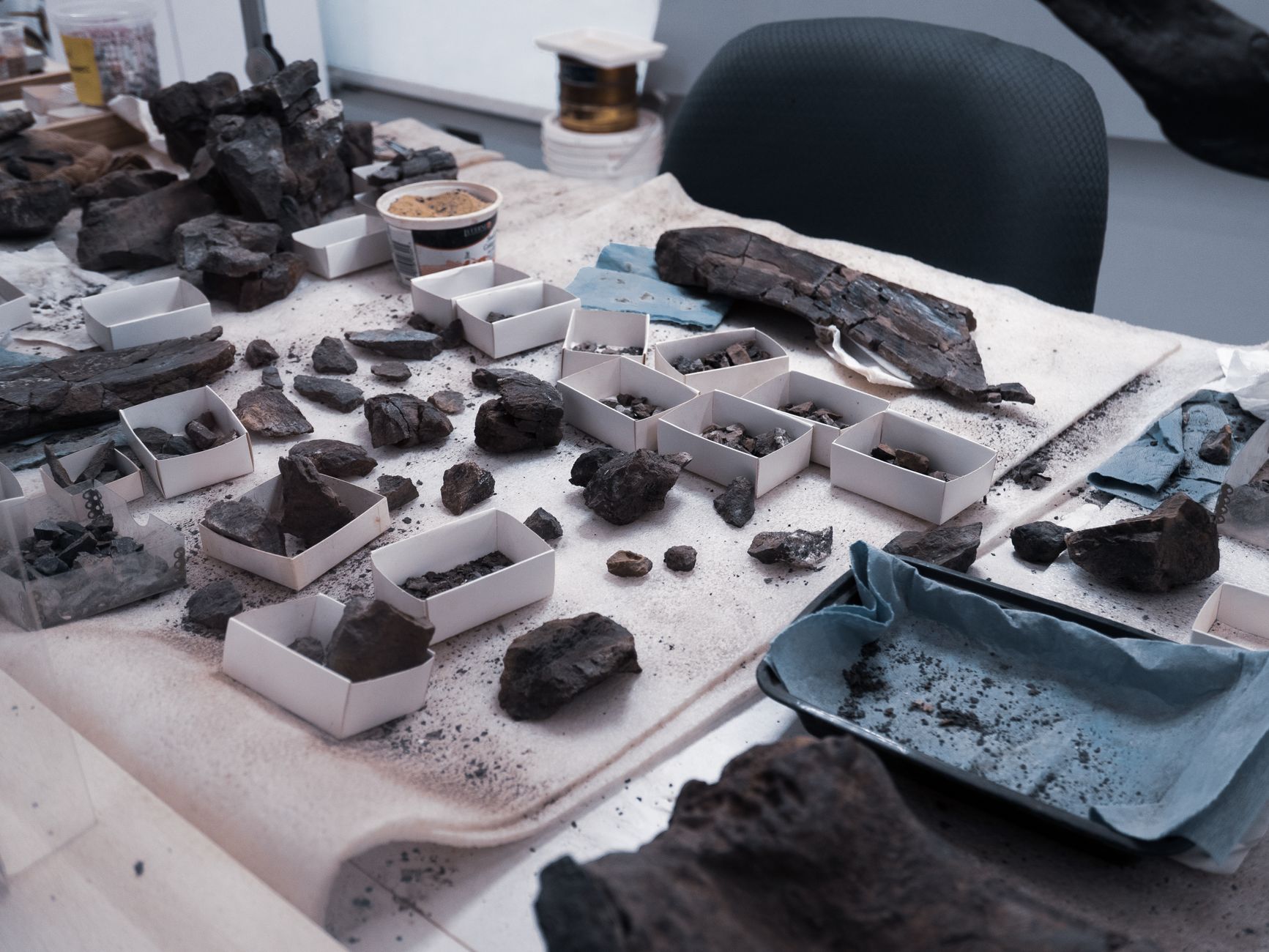
Last October, the remnants of Typhoon Halong wreaked havoc in Western Alaska, causing widespread flooding and revealing thousands of ancient Yup'ik artifacts near Quinhagak. This dramatic event highlighted the accelerating threat of climate change, as thawing permafrost and coastal erosion expose precious cultural heritage to the Bering Sea. Archaeologists, in partnership with the local community, are now in a desperate race against time to recover these 400-600-year-old objects. These artifacts offer an irreplaceable link to the past, showcasing the resilience and ingenuity of Alaska Native culture before Western contact, making their preservation crucial for future generations.
Last October, a powerful storm, remnants of Typhoon Halong, tore through western Alaska, bringing massive floods. In the village of Quinhagak, the storm peeled back the tundra like carpet, revealing something extraordinary: thousands of ancient cultural artifacts. One resident, Jenny Matthew, found a smooth, wooden bowl, carved centuries ago by Yup'ik ancestors. This unexpected discovery launched an urgent mission.
These precious items were unearthed from Nunalleq, an archaeological site vital to understanding Alaska Native Yup'ik life before European contact. However, the storm didn't just expose history; it also accelerated its destruction. Shorelines in Alaska are now much more vulnerable to erosion, a direct consequence of human-caused climate change, which leads to thinning sea ice and thawing permafrost. These changes allow the Bering Sea to creep ever closer to the buried treasures.
Archaeologists, many of them volunteers, have been working at Nunalleq since 2009, carefully unearthing items like hand-carved animals, grass ropes, and masks. But with the sea now reaching the dig site during high tide, their work has turned into a desperate race against nature. The team is fighting to recover as much as possible before another major storm potentially washes away irreplaceable pieces of human history forever.
For the community of Quinhagak, these artifacts are not just old objects; they are a direct link to their ancestors. Elizabeth Church, director of Quinhagak Heritage Inc., emphasizes that preserving these belongings strengthens their identity and provides a "boost" from knowing they come from resilient and talented people. The scramble to save what remains is urgent, as fall storm season fast approaches, threatening to erase more of this invaluable heritage. This situation powerfully reminds us of the critical need for environmental action and sustainable solutions to protect both our planet and our shared cultural past from the impacts of global warming.