COP30 Disappointment: Fossil Fuel Roadmap Vanishes

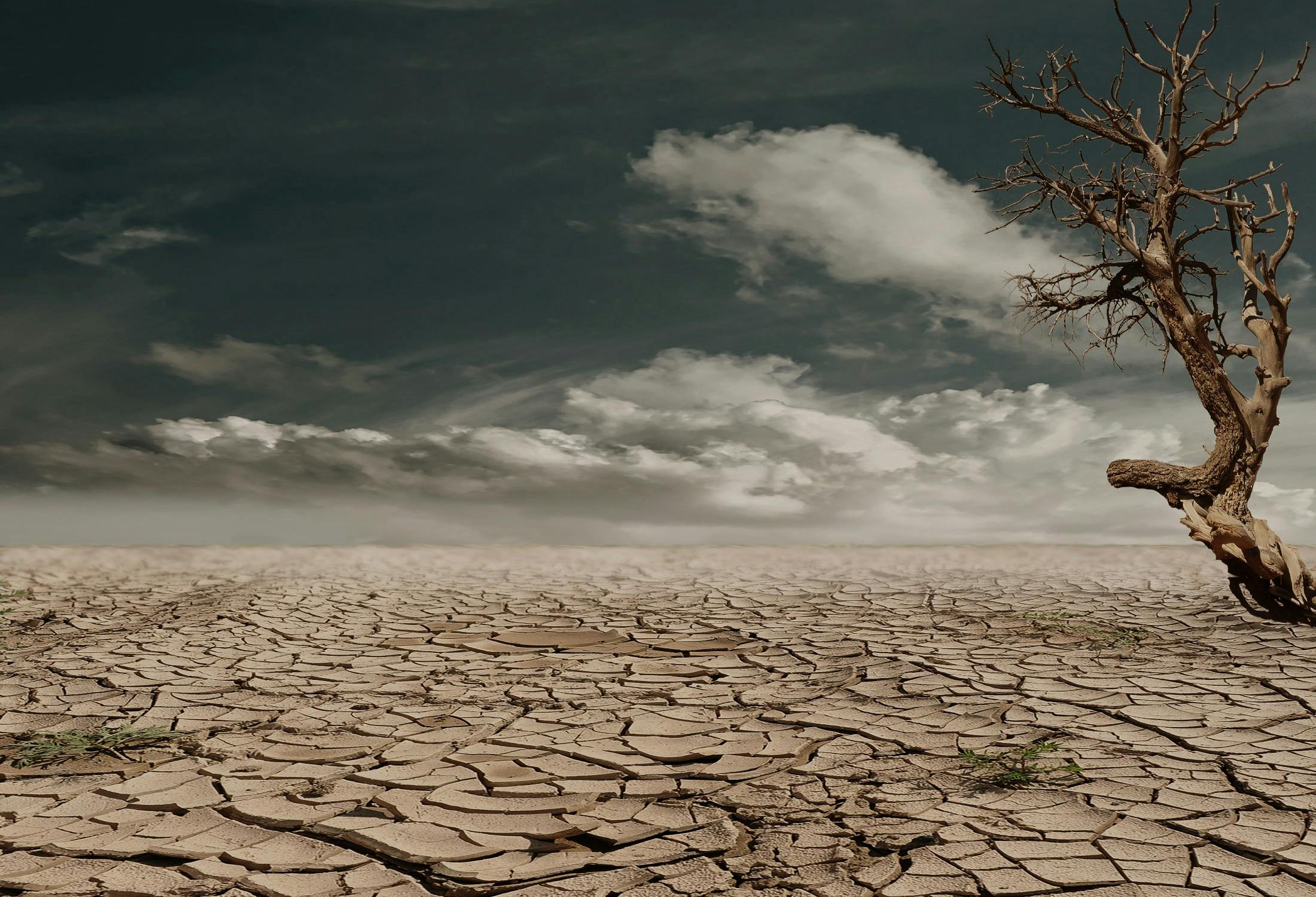
This year's U.N. climate conference, COP30, held in Brazil, was hoped to be a landmark event. Located on the edge of the vital Amazon rainforest and championed by influential Brazilian President Luiz Inácio Lula da Silva, the summit initially saw over 80 nations pushing for a clear plan to reduce fossil fuels. However, despite these high expectations, the final decision proved to be significantly watered-down, failing to even mention 'fossil fuels.' This outcome has sparked widespread criticism and is seen by many as a setback for global efforts to combat climate change, threatening to further erode confidence in the international negotiation process.
The 30th Conference of the Parties (COP30) was uniquely positioned for a breakthrough. Hosted in Belém, a city bordering the Amazon, it aimed to spotlight a critical climate regulator and involve Indigenous communities deeply impacted by climate change. Brazilian President Lula da Silva’s charismatic leadership initially spurred hope, with over 80 nations calling for a detailed roadmap to drastically cut gas, oil, and coal usage, which are the main culprits behind global warming.
Yet, despite this promising start, the conference concluded with a disappointing resolution. The final text, described as watered-down compared to previous summits, notably omitted any mention of “fossil fuels,” let alone a timeline for their reduction. This failure is more than just a diplomatic misstep; it actively undermines efforts to tackle global temperature rise, which is already causing more frequent and intense extreme weather events like floods, storms, and heat waves across the planet.
The criticism was swift and sharp. Panama negotiator Juan Carlos Monterrey Gomez stated, “A climate decision that cannot even say ‘fossil fuels’ is not neutrality, it is complicity.” This sentiment was echoed by Lidy Nacpil of the Asian Peoples’ Movement on Debt and Development, who acknowledged some minor positives but stressed, “They could have done much, much more.” The urgency of climate action demands clear, decisive commitments, and the lack thereof from COP30 threatens to further delay crucial steps.
Optimism had been high, with the summit even dubbed a “COP of truth” by some, especially given Lula’s previous actions in curbing Amazon deforestation. However, even Lula tempered expectations towards the end, emphasizing that nations should transition to renewable energies at their own pace, which some saw as a softening of earlier strong rhetoric. This shift, coupled with the influence of major oil-producing countries like Saudi Arabia, contributed to a final outcome that many, including the European Union and several Pacific Island nations, flatly rejected.
Ultimately, the conference's inability to address the core issue of fossil fuels means that the world remains off track from achieving its climate goals. This deepens the crisis and places an even greater burden on future negotiations, with “all eyes already turning to COP31” in Turkey, as Nacpil noted. The continued inaction at these critical talks means the planet continues to warm, and the window for effective climate action narrows, making the consequences of such failures increasingly severe for everyone article.