Amazon Investments: What's Missing for Locals?

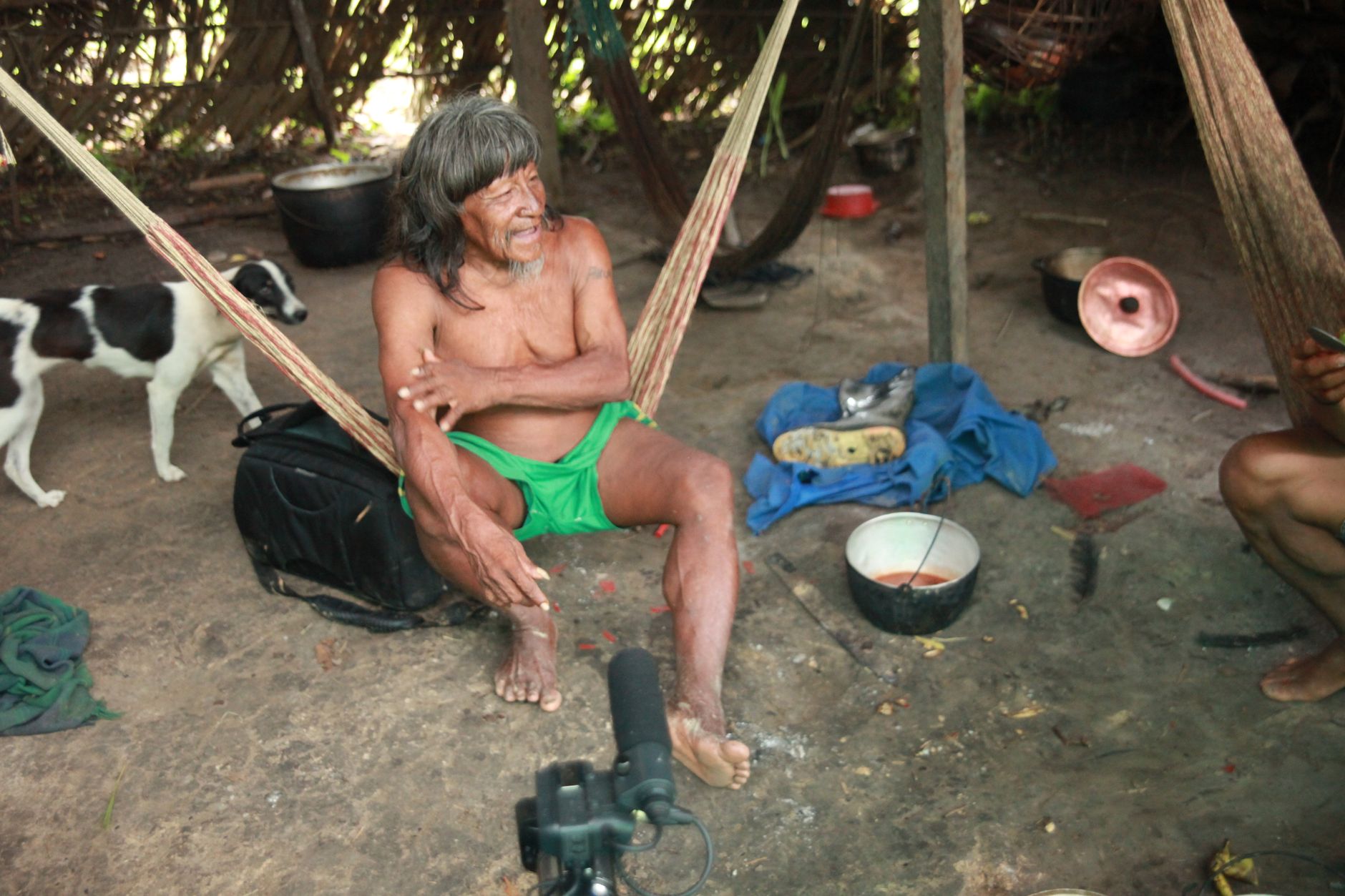
Indigenous communities in the Amazon are gaining increased visibility, but genuine power remains elusive as new "green" investments flow into the region. While often aimed at protecting the forest, these projects frequently overlook local needs and traditional knowledge, with crucial decisions made by outsiders. Carbon markets and blended finance models, though bringing capital, risk commodifying nature and failing to address the true urgency of climate action or the deeper roots of environmental degradation. We must ensure these initiatives genuinely empower Amazon's guardians and value the forest beyond its financial potential, fostering real sustainability.
The increased presence of Indigenous voices at global climate discussions and in sustainability reports is a welcome change. However, this visibility doesn't always translate into real influence. Many vital decisions about conservation projects are made long before communities are truly consulted, often turning them into mere "beneficiaries" rather than equal partners. True, prior, and informed consent means communities need time, independent advice, and the ability to say no, not just to sign off on pre-designed plans.
New financial models, like blended finance and carbon markets, aim to attract investment into the Amazon. Yet, these approaches often favor projects that offer quick, measurable returns, which can clash with the complex, long-term needs of the rainforest and its diverse ecosystems. For example, carbon credits, while bringing money to conservation, struggle to account for the dynamic nature of forests, risking issues like "leakage"—where deforestation just shifts elsewhere—or a lack of permanence if protected areas are later damaged. This highlights the challenge of fitting a living forest into a strict accounting system.
A significant concern is how corporate funding for conservation aligns with a company's overall environmental impact. While restoring forests is positive, it’s vital to ask if these efforts truly transform business models or if they allow companies to continue polluting while claiming to offset emissions elsewhere. Real environmental action demands a proportional reduction in pollution at the source, not just paying to protect a forest far away. This complex relationship underscores why relying solely on markets won't solve the climate crisis; it can create a "moral license" for ongoing harm.
Historically, the Amazon has been repeatedly reshaped by outside interests seeking value—from rubber and timber to gold and land. Today, the focus is on "carbon," "biodiversity," and "traditional knowledge." It's crucial that this new form of value doesn't simply become another way for benefits to leave the Amazon while local communities remain disempowered. The forest and its Indigenous guardians have protected this vital ecosystem for generations, often without recognition. Their deep connection and knowledge are irreplaceable, and genuine investment means supporting their autonomy and ensuring the forest remains, no matter how financial interests come and go.