Amazon Oil Gamble Could Shatter Brazil’s Climate Hopes

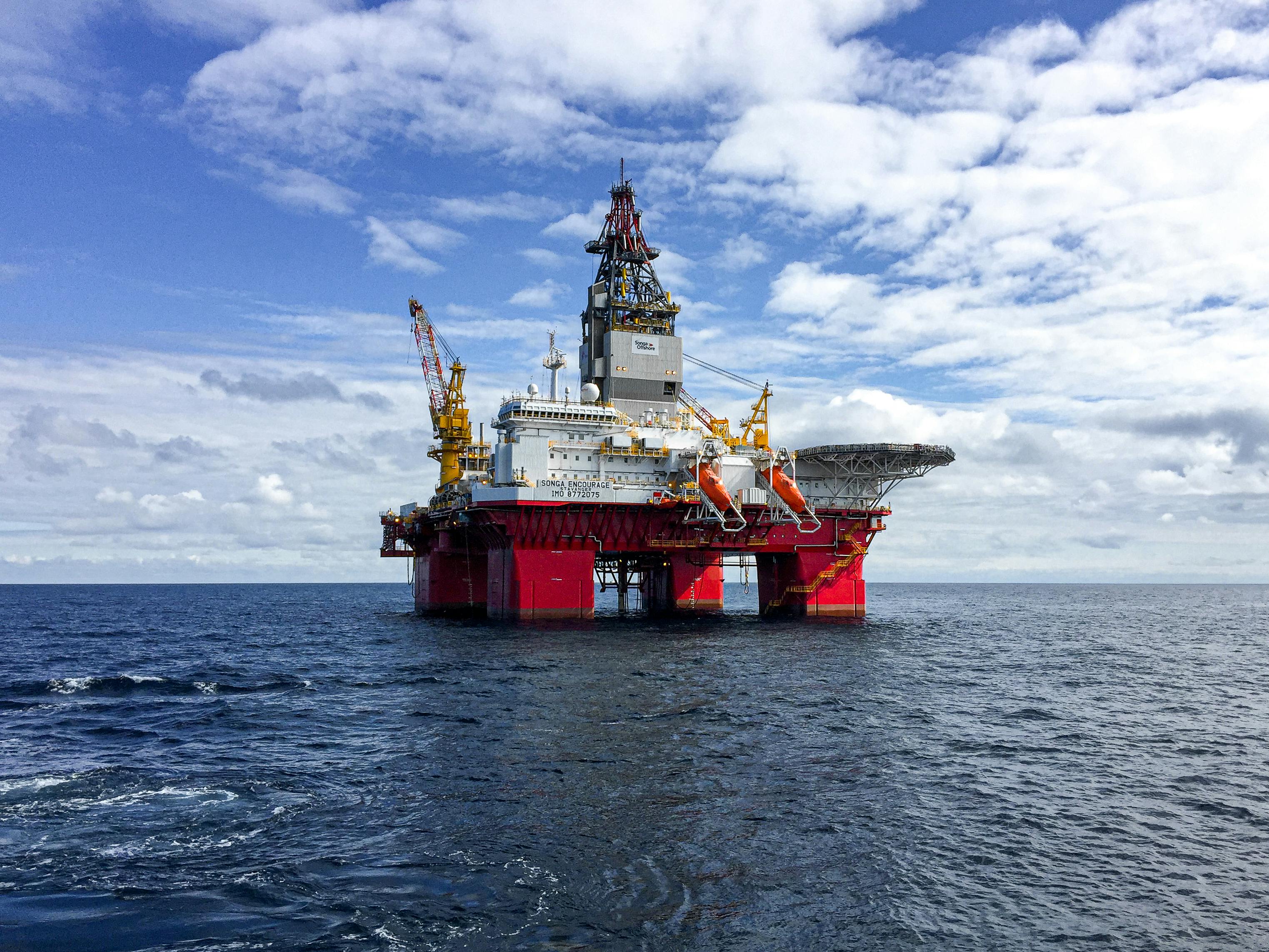
Brazil is preparing to host the COP30 climate summit in the Amazon city of Belém while its own climate credentials are under intense scrutiny. Just weeks before delegates arrive, the government approved a controversial Petrobras exploration license in the Foz do Amazonas basin, opening the door to new offshore oil near the mouth of the rainforest’s river system. The decision comes despite sharp drops in Amazon deforestation and mounting evidence that fires and drought are already pushing the region closer to a dangerous tipping point. Scientists and campaigners warn that expanding oil in one of the world’s most critical carbon sinks undermines global efforts to phase out fossil fuels and leaves Brazil’s claims to climate leadership hanging by a thread.
Brazil wanted COP30 to be the moment it proved to the world that the country had turned the page on environmental destruction. When President Luiz Inácio Lula da Silva returned to office in 2023, he promised to stop illegal deforestation, revive climate diplomacy and treat the Amazon as a global public good. Hosting this year’s UN climate summit in the forest city of Belém was supposed to be a symbol of that new era. Instead, Brazil arrives at the talks under a cloud, after authorities approved new oil exploration just off the Amazon coast and a recent New York Times report warned that the move is undermining the country’s climate credibility on the eve of the negotiations.
In late October, the federal environment agency Ibama granted state-controlled oil company Petrobras permission to drill exploratory wells in block FZA-M-59 in the Foz do Amazonas basin, roughly 540 kilometres from the river’s mouth near the border with Guyana. A Reuters report says the campaign is expected to last about five months and will initially focus on gathering geological data rather than producing oil. But the block lies in what Petrobras describes as its most promising new frontier, part of a wider “equatorial margin” that shares geology with the giant discoveries off Guyana and Suriname. Environmental groups fear that one exploratory well today could quickly turn into a major new oil province tomorrow.
The license came only after years of internal struggle. Brazil’s environment agency had previously rejected Petrobras’s application in 2023, concluding that the company had failed to present a robust spill-response and wildlife-rescue plan for such a remote and sensitive region. According to Climate Home News, Petrobras carried out new emergency drills and resubmitted parts of its plan before finally securing permission this October. Officials in the mines and energy ministry argue that the project can be managed “within the highest international standards”, and that the revenues could help fund social programmes and the energy transition. Petrobras’s chief executive has called the approval an achievement for Brazilian society.
Critics see something very different: a government talking about phasing out fossil fuels while opening a new oil frontier on the doorstep of the world’s largest rainforest. The climate network Observatório do Clima has branded the decision a sabotage of the “Amazon COP” and promised to challenge the license in court, arguing that the process is riddled with technical flaws. Campaigners from groups such as 350.org and the Fossil Fuel Non-Proliferation Treaty Initiative warn that authorising new drilling in the Amazon is a historic error that risks more pollution, social conflict and oil spills in an area rich in marine life and coastal communities that depend on healthy waters.
That clash is especially stark because Lula’s government can point to real progress in other areas. Data from Brazil’s national space research agency, Inpe, show that Amazon deforestation fell by just over 11% in the 12 months to July 2025, dropping to about 5,800 square kilometres – the lowest level in more than a decade. Since the start of Lula’s term, the annual loss of forest in the biome has been cut roughly in half, according to a recent Reuters analysis. Environment minister Marina Silva has hailed the results as better than even her optimistic scenarios, proof that stronger enforcement and policy shifts can quickly slow destruction.
Yet those gains have not spared Brazil from escalating climate impacts. A new report compiled by the MapBiomas initiative found that wildfires consumed around 30.9 million hectares of wilderness across the country in 2024, an area larger than Italy and nearly 80% more than the year before. The Amazon biome and the Amazonian state of Pará, where Belém is located, were among the hardest hit as record-breaking drought and human-set fires devastated forest that should not burn. Scientists warn that repeated droughts, fires and logging are weakening the rainforest’s resilience and pushing parts of the Amazon closer to an irreversible tipping point where it could shift towards a drier savanna.
Globally, there are signs that forest loss is slowing, but nowhere near fast enough. A recent UN-backed assessment reviewed by Carbon Brief concluded that the world is losing millions of hectares less forest each year than in previous decades, yet countries remain off track to meet their pledge to halt deforestation by 2030. Because the Amazon stores vast amounts of carbon and shapes rainfall patterns far beyond South America, the fate of these forests will heavily influence whether the world can keep temperature rise close to 1.5C. Every new hectare cleared or burned – and every tonne of new fossil carbon extracted – makes that task harder.
The drilling plans also sit uneasily with what climate science says about new fossil fuel projects. The International Energy Agency’s landmark Net Zero by 2050 roadmap concluded that in a scenario consistent with limiting heating to 1.5C, no additional oil and gas fields beyond those already approved in 2021 are required. More recent analyses have reinforced that conclusion and warned that continued expansion will create stranded assets and lock in more extreme warming. In July, the International Court of Justice and Inter-American Court of Human Rights both issued opinions stressing that states must align their energy policies with climate protection, and campaigners now argue that granting fresh exploration licenses in the Amazon risks breaching those duties.
Lula has defended ongoing exploration by arguing that Brazil, already one of the world’s top oil producers, can use fossil revenues to finance the shift to clean energy and fight poverty. During a speech in Pará earlier this year, he said he dreams of a future without fossil fuels but insists that humanity will still depend on them for a long time. Activists counter that the numbers do not back up that claim: campaigners cited by Climate Home News estimate that only a tiny share of Brazil’s oil income currently goes to the energy transition. They argue that every new offshore block will make it politically harder to wind down production later.
All of this raises the stakes for COP30 itself. Brazil’s presidency of the talks has floated the idea of a roadmap for a “planned and just” phase-out of fossil fuels, building on last year’s agreement that countries must transition away from coal, oil and gas. The same government now has to explain why it is opening up a new exploration frontier in one of the planet’s most climate-sensitive regions while fires and drought already strain the Amazon to breaking point. Whether Brazil decides to double down on oil or to use COP30 to draw a real red line under new fossil projects will send a powerful signal. For the rainforest, and for a world running out of time to secure a livable climate, that choice could not be more urgent.