Amazon's $200B Q2: AI Fuels Growth, But There's More to the Story

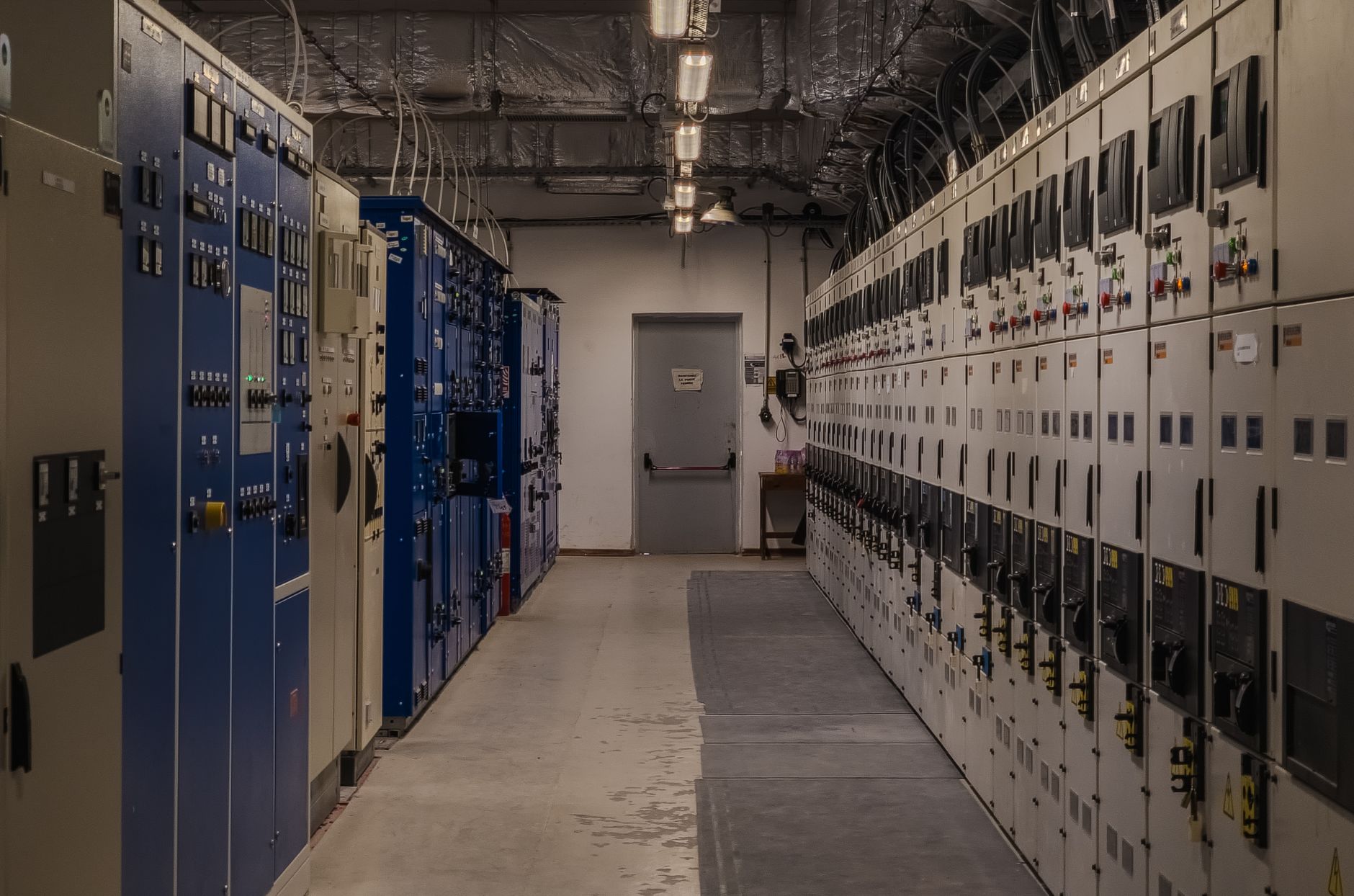
Amazon recently celebrated a strong second quarter in 2026, reporting a record $200.6 billion in net sales. This impressive growth was largely driven by booming demand for cloud computing and Artificial Intelligence (AI) services, particularly within its Amazon Web Services (AWS) segment. While AI investments did push free cash flow into negative territory, the company also shared significant progress on its ambitious sustainability goals. These efforts include becoming water-positive, sourcing 100% renewable energy for operations, and using lower-carbon materials in its rapidly expanding infrastructure, underscoring a commitment to environmental action alongside rapid expansion.
Amazon's second quarter of 2026 saw net sales climb to a remarkable $200.6 billion, a 20% increase from the previous year Amazon reported net sales. This surge was fueled by strong performances across its North America and International segments, but especially by Amazon Web Services (AWS), which saw a 37% jump in revenue. AWS is clearly a powerhouse, with its AI business alone now generating over $25 billion annually, demonstrating the massive potential of artificial intelligence.
However, Amazon's rapid embrace of AI isn't without its challenges. The company's heavy investments in AI infrastructure, such as new data centers and custom AI chips, caused free cash flow to dip into negative territory. This strategic spending, designed to solidify its lead in the AI race expanding AI infrastructure, still received a positive reaction from investors, sending Amazon's stock higher, though some analysts are watching the spending closely.
Beyond the financials, Amazon continues to make notable strides in its environmental commitments. The company has reached 75% of its goal to be water-positive in its global data center operations by 2030, meaning it returns more water to communities than it uses. This includes achieving water-positive status in India ahead of schedule. On the energy front, Amazon has matched 100% of the electricity used across its global operations with renewable energy for three years running renewable energy. These efforts are crucial as the global demand for energy, especially from data centers powering AI, continues to grow, making electrification with clean energy more vital than ever.
As Amazon builds out its extensive global footprint, it’s also focusing on reducing emissions from construction materials. The company has used lower-carbon steel and concrete in dozens of new data centers and logistics buildings and is increasingly incorporating mass timber into new projects. These sustainable choices are vital for reducing the 'embodied carbon' of new infrastructure. Amazon's latest data shows a reduction in its overall carbon footprint, down nearly 17% from its 2021 peak sustainability data. While most of its emissions come from its vast supply chain (Scope 3), these actions demonstrate a concrete commitment to its goal of achieving net-zero carbon emissions by 2040 net-zero carbon emissions, showcasing how large corporations can integrate climate action into their growth strategies.