Amazon's Burning Secret: What Lies Beyond the Visible Flames?

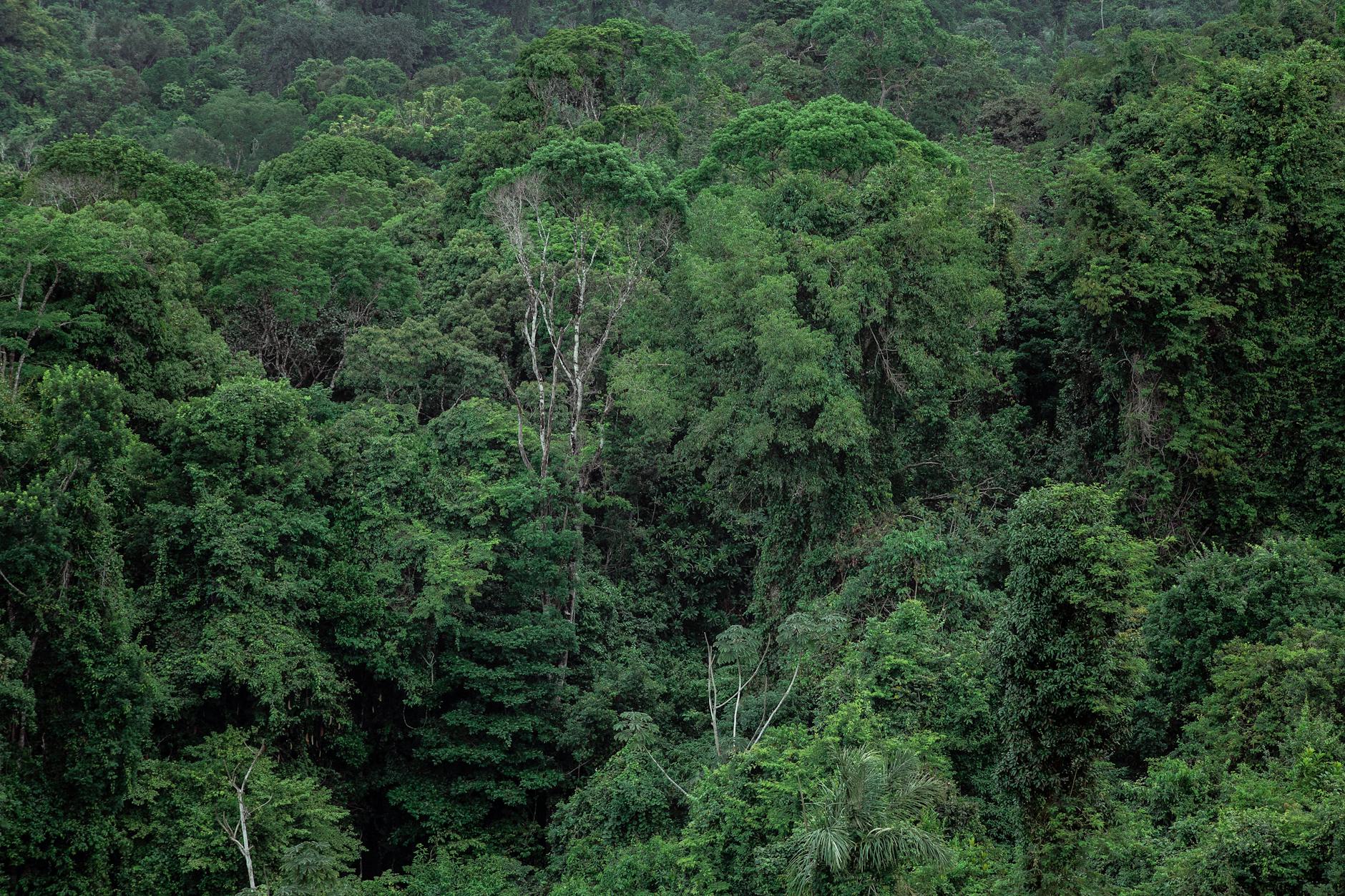
The Amazon rainforest is facing an unprecedented crisis, with vast areas burning at nearly double the rate of wetter years. Researchers link these devastating fires to human activity, exacerbated by weakening environmental protections and severe droughts fueled by a changing climate. Scientists are concerned the region may be approaching a crucial threshold, beyond which recovery becomes incredibly difficult, posing a grave threat to global climate stability and local communities. The urgency for immediate, decisive action to prevent irreversible damage has never been clearer.
Recent findings reveal that almost all Amazonian fires are caused by human actions, with drought conditions making the vegetation exceptionally vulnerable. Over the past 46 years, annual rainfall has dropped significantly, and temperatures have climbed, fundamentally altering the conditions a tropical rainforest needs to survive. Trees, weakened by heat and water shortages, become far more susceptible to fire and ultimately, death.
Alarmingly, some regions, like the southeastern Amazon, have already lost a third of their forest cover and are experiencing dramatically longer dry seasons. Scientists fear this area might be nearing a "point of no return," a critical threshold where the forest can no longer recover its ability to absorb carbon, instead releasing it into the atmosphere. This shift would have profound and lasting implications for the planet.
The consequences extend far beyond the direct loss of trees. Deforestation changes the local climate, reducing rainfall and increasing temperatures, which further endangers the remaining forest. For communities living along the Amazon's rivers, the impacts are immediate and devastating: disrupted transport, food shortages, poor air quality from widespread smoke, and threats to Indigenous cultures and livelihoods. The Amazon’s influence is global, as it helps regulate rainfall across South America and plays a critical role in the Earth's climate balance.
Experts highlight that "fire is the new deforestation," with fires increasingly used to clear land, undermining efforts to protect the forest. There's also growing skepticism about solutions like carbon markets, which are seen by some as a distraction from the fundamental need to drastically cut emissions and genuinely restore damaged ecosystems. Protecting the Amazon requires robust enforcement, strong political will, and meaningful involvement from Indigenous peoples, alongside wealthy nations reducing their own carbon footprint rather than relying on distant forests to offset their pollution.
Researchers like Dr. Gatti emphasize that the scale of this crisis demands an emergency response. They urge for immediate zero deforestation and an intensive forest restoration program. The Amazon cannot afford to be lost; its fate is intertwined with the future of the entire planet, and the choices made today will determine whether this vital ecosystem can survive.