Amazon's Future: Lula’s Win Marks a Turning Point, But What's Next?

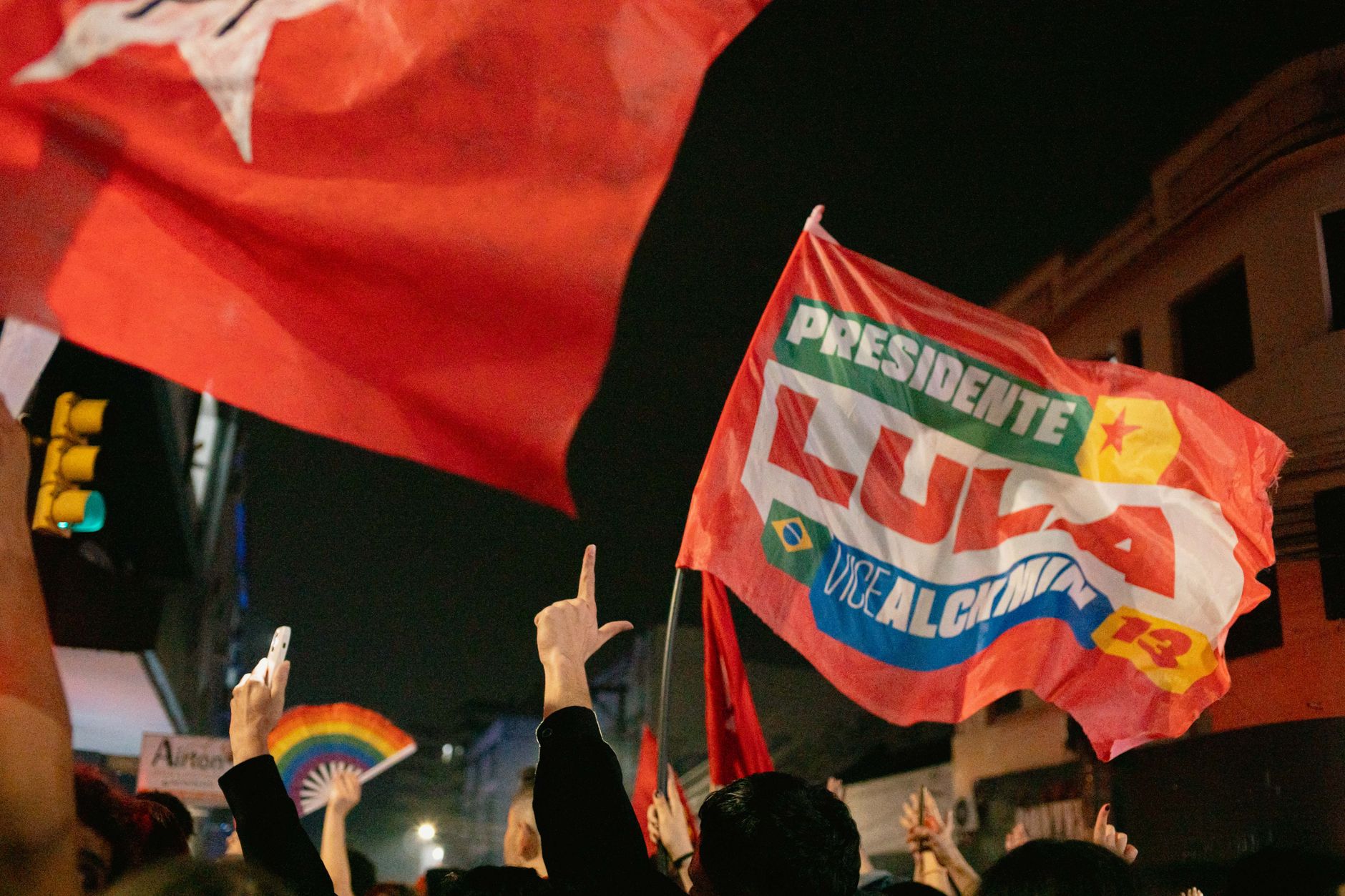
Environmentalists globally are celebrating President Luiz Inácio Lula da Silva’s re-election in Brazil, seeing it as a vital victory for the Amazon rainforest and global climate efforts. His narrow defeat of right-wing Senator Flávio Bolsonaro averted policies that threatened to accelerate deforestation. Lula has pledged to end forest loss by 2030, building on a recent slowdown, which is crucial as scientists warn the Amazon is nearing an irreversible tipping point. While his win offers significant hope, the battle for the planet’s largest rainforest is far from over, facing continued economic pressures and political hurdles.
The re-election of Brazilian President Luiz Inácio Lula da Silva brings a wave of relief and renewed optimism for the Amazon’s future and international climate action. Many feared that a victory for his opponent, Senator Flávio Bolsonaro, would have dismantled environmental protections and further endangered the world’s largest rainforest, echoing the destructive policies of his father's previous administration. Lula's win safeguards Brazil’s commitment to global climate diplomacy and its pledge to achieve net-zero deforestation.
Under Lula's recent term, Brazil saw a significant reduction in Amazon deforestation, with a 36 percent drop between August 2025 and March 2026 compared to the prior year. This progress is critical, as scientists warn that nearly one-fifth of the Amazon has already been lost, pushing the ecosystem dangerously close to an irreversible tipping point. Carlos Nobre, a professor of climate and sustainability at the University of São Paulo, stressed that while preventing this transformation is still possible, time is running out. He emphasized that the next four years are decisive for both the Amazon and global climate stability.
Despite this urgency, the fight is far from over. Governments across the Amazon, including Lula’s, continue to approve projects like oil drilling, mining, and industrial agriculture, which directly impact local communities and environmental defenders. Adding to the challenge, the newly elected National Congress is largely hostile to environmental protection, with an analysis by Observatorio do Clima finding that nearly 70 percent of lawmakers have low alignment with conservation efforts. This political landscape poses a significant risk to Lula’s environmental agenda, highlighting the need for constant vigilance.
Activists are calling for Lula’s administration to accelerate the recognition of Indigenous territories, which legally protect vast forest areas, and to strengthen protections for environmental defenders. They also urge an end to new fossil fuel and road projects that threaten to undermine climate progress. The re-election offers a renewed chance for Brazil to champion sustainable solutions and accelerate its transition away from fossil fuels, reinforcing the global importance of collective action in protecting our planet’s vital ecosystems.