Amazon's UK Green Energy Surge: What's behind the 1-Gigawatt milestone?

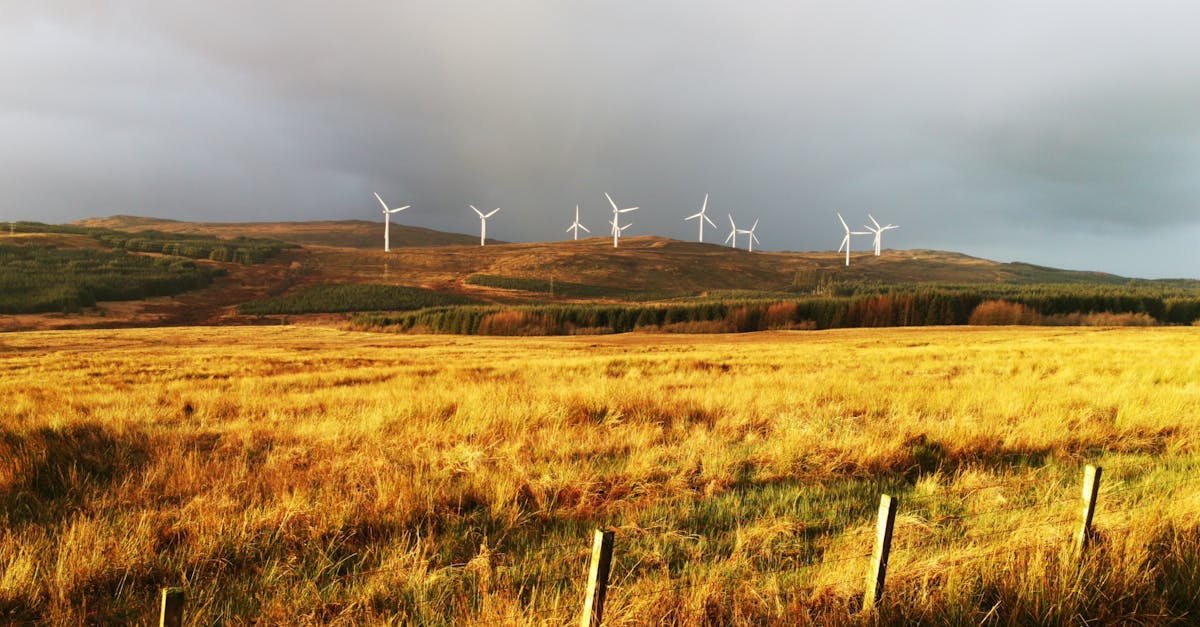
Amazon is significantly expanding its clean energy presence in the UK, reaching over 1 gigawatt (GW) of renewable capacity. This milestone follows a new agreement for the Mossy Hill wind farm in Scotland, part of over $3.9 billion invested in UK low-carbon technologies. These efforts highlight the growing corporate commitment to electrification and sustainable solutions, crucial steps in addressing climate change and building a more resilient energy grid. While Amazon has met its goal of powering operations with 100% renewable energy, the broader challenge of reducing absolute emissions amidst rapid business growth remains a critical focus for its 2040 net-zero target.
Amazon is accelerating its shift towards clean energy, especially in the UK, with its renewable energy projects now exceeding 1 gigawatt (GW) of capacity once fully operational. This significant milestone was reached with a new Power Purchase Agreement (PPA) for the 36-megawatt (MW) Mossy Hill wind farm in Scotland's Shetland Islands. This agreement is part of Amazon’s substantial investment of over £3 billion (about US$3.9 billion) in UK low-carbon technologies between 2021 and 2025. These projects, including nine large wind and solar farms and 41 on-site solar installations, will generate enough carbon-free energy to power more than 1.3 million UK homes annually, bolstering the country's energy security and reducing reliance on fossil fuels.
This strategic move aligns with a global trend where clean energy investment is rapidly outpacing fossil fuels. The International Energy Agency (IEA) anticipates that by 2026, about $2.2 trillion will be directed toward clean energy solutions, grids, and electrification worldwide, underscoring the urgency of transitioning to sustainable power sources. For Amazon, these long-term renewable power contracts are vital. They not only guarantee clean electricity for its rapidly expanding operations, particularly its energy-intensive data centers for AWS and AI, but also support the construction of new green energy infrastructure that benefits the wider grid.
While Amazon proudly announced achieving 100% renewable energy for its global operations in 2025, five years ahead of schedule, the path to net-zero emissions by 2040 involves more complex challenges. The company's sustainability report revealed a 16% increase in absolute carbon emissions from 2024, even as its carbon intensity (emissions per unit of revenue) dropped significantly. This distinction is crucial: as Amazon's business, from e-commerce logistics to cloud computing, continues to grow at an unprecedented rate, the sheer scale of its operations can still lead to higher overall emissions.
This means that while sourcing renewable energy is a powerful step, Amazon’s goal of true net-zero emissions by 2040 demands continuous, comprehensive action. This includes further investments in electric delivery vehicles—targeting 100,000 by 2030—and improving the energy efficiency of its data centers, which already perform better than the industry average. The company is also exploring diverse clean energy technologies like advanced nuclear and long-duration storage. These efforts are not just about meeting corporate targets; they are essential contributions to the global fight against climate change, proving that a sustainable future requires both ambitious energy shifts and a holistic approach to every aspect of business.