America's Critical Metal Hunt: What Idaho Tungsten Means.

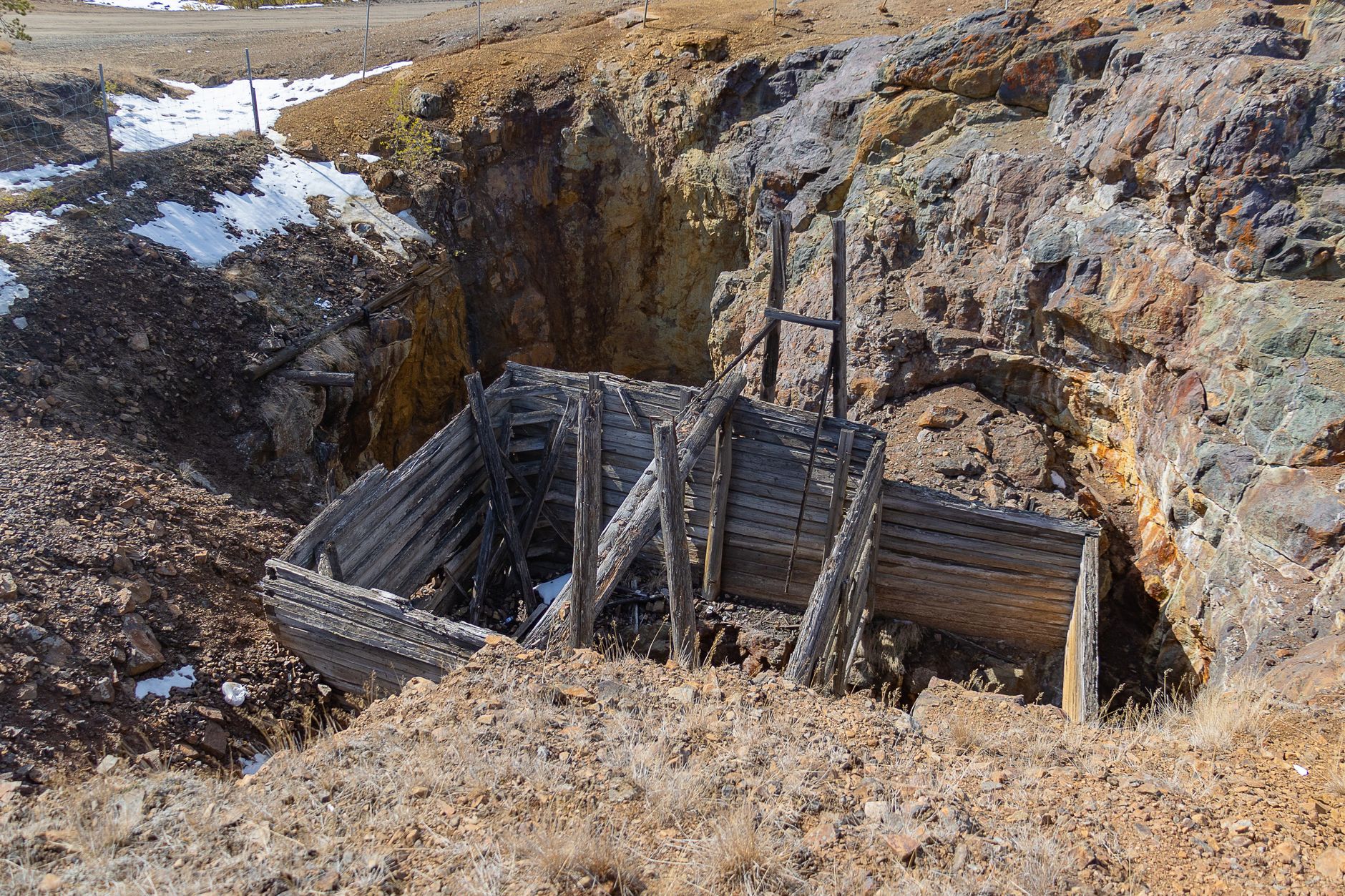
The U.S. Army is investing up to $40 million in Perpetua Resources to explore for tungsten in Idaho, aiming to establish a domestic supply of this crucial metal. This move seeks to reduce America's heavy reliance on China, which currently controls nearly 79% of the world's tungsten production. Tungsten is vital for manufacturing, defense, and the industrial tools necessary to build and maintain infrastructure for the energy transition. The project highlights a broader effort to secure critical minerals while also emphasizing the importance of responsible resource development and environmental protection.
The U.S. Army’s Defense Ordnance Technology Consortium is partnering with Perpetua Resources in a cost-sharing program, potentially reaching $80 million with the company's match, to investigate tungsten deposits in Idaho's historic Stibnite Mining District. This funding supports exploration drilling, testing, and engineering work to determine if tungsten can be produced on a significant scale. This initiative is a key step in strengthening the nation's critical mineral supply chain, reducing its dependence on foreign sources for essential materials.
Tungsten is a remarkably hard and heat-resistant metal, making it indispensable for tools used in manufacturing, construction, and mining. These tools are crucial for creating the components and infrastructure needed to advance cleaner energy systems, linking a secure tungsten supply to our progress toward a more sustainable future. Yet, the United States has not commercially mined tungsten since 2015, relying heavily on imports and recycling.
This reliance is a significant concern because China dominates the global tungsten market, producing roughly 79% of the world's supply in 2025, according to the U.S. Geological Survey. This concentration poses risks to industries and defense, as disruptions or restrictions could impact essential supply chains. Developing a domestic source could provide greater security and stability for American industries.
However, expanding mining operations also brings environmental responsibilities. Any new project must carefully consider its impact on local ecosystems, water resources, and air quality, including greenhouse gas emissions from energy use. The Stibnite project is currently in an exploration phase, meaning commercial production is not yet approved, and further environmental reviews would be necessary.
This Army investment is part of a larger U.S. government strategy to boost domestic supplies of critical minerals. While tungsten isn't a direct component of renewable energy batteries, its role in the industrial tools that build and maintain clean energy infrastructure is undeniable. The ultimate goal is to balance the need for secure industrial materials with the imperative to protect our environment, ensuring that resource development supports a lower-carbon economy responsibly.