America's EV Market Stages Comeback After Unexpected Disruption

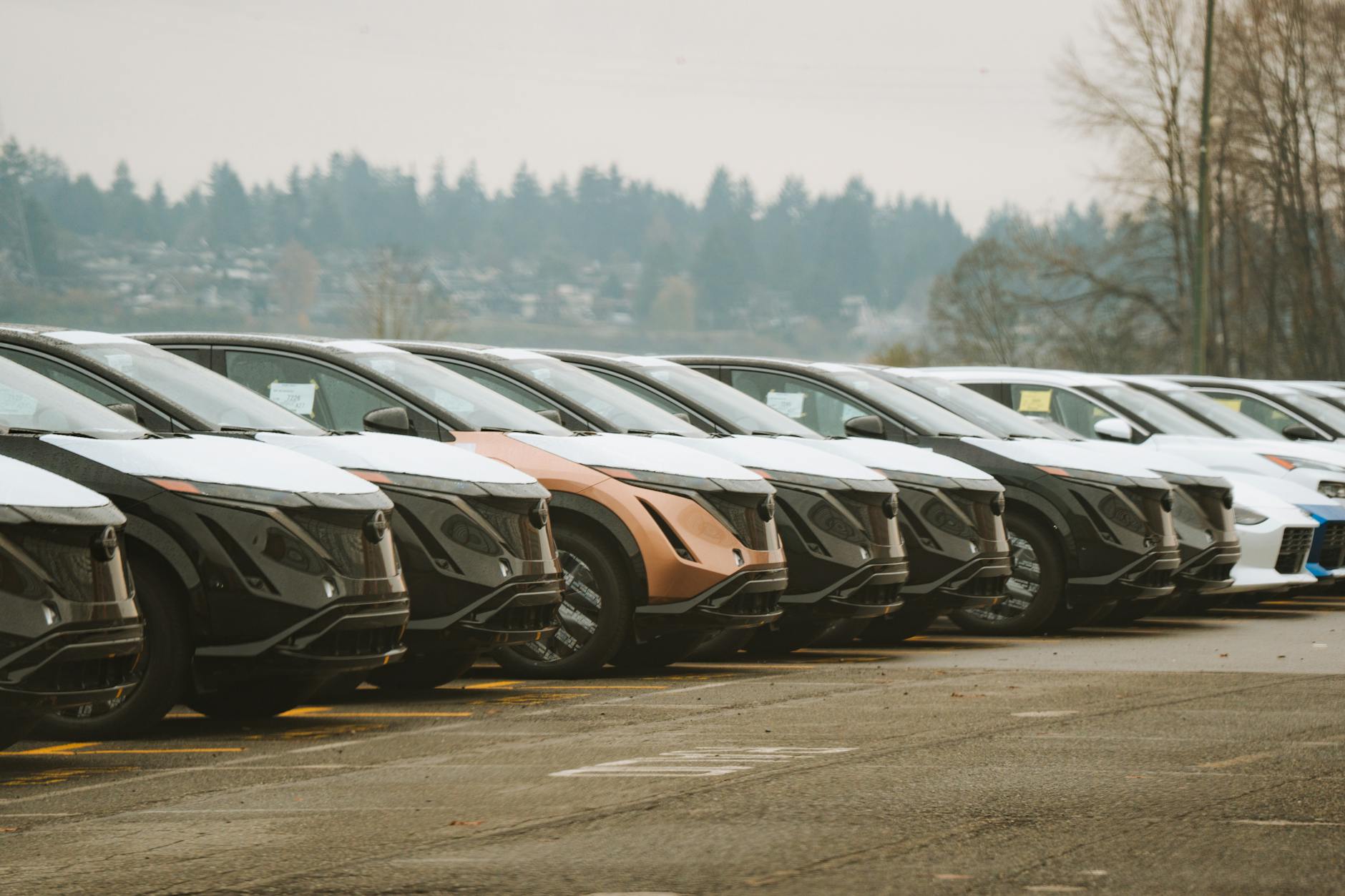
The U.S. electric vehicle (EV) market faced a significant challenge after federal tax credits were abruptly removed in late 2025, alongside changes to fuel economy regulations. Sales initially plunged, raising concerns about the future of electrification. However, a year later, the market is showing surprising resilience, gradually rebounding as consumer interest in cleaner transportation persists. This comeback underscores the inherent advantages of electric vehicles and the ongoing, crucial shift toward sustainable solutions for a healthier planet.
A year ago, America's electric car market experienced a major shock with the sudden end of the $7,500 EV tax credit and the rollback of policies supporting electric vehicles. This led to a sharp drop in EV sales, with their share of retail car sales falling dramatically from over 14% to just 5% in a couple of months, a level not seen since 2022. Many in the industry wondered how quickly, if at all, the market would recover from such a significant withdrawal of incentives.
Despite the initial downturn, the market has shown remarkable resilience and is slowly bouncing back. Data from JD Power indicates that EV sales share has climbed to nearly 8% in September, only two years behind its peak before the policy changes. Factors like rising gas prices are anecdotally helping drive consumer interest, as are decreasing times EVs spend on dealer lots. This recovery highlights a growing public awareness of the long-term benefits of electric vehicles, which offer cleaner air and reduced reliance on fossil fuels that contribute to global warming.
Leading this resurgence are dedicated EV manufacturers like Tesla and Rivian, whose strong product offerings continue to attract buyers. Tesla’s market share has recovered to over 50%, while Rivian’s new models have spurred significant growth. In contrast, many traditional automakers paused or canceled planned EV models following the policy shifts, indicating that financial incentives heavily influence their transition efforts. Yet, the broader move towards electrification is critical for addressing climate change, making the continued innovation from EV-focused companies all the more important.
The used EV market provides another bright spot, demonstrating robust demand for electric vehicles at more accessible price points. Sales of used electric cars reached a record high in September, growing 21% year-over-year and selling significantly faster than gasoline cars. Prices for used EVs have also seen a notable increase, reinforcing that consumers are eager for electric options when they are affordable. This thriving secondhand market is a positive sign for broader EV adoption, making sustainable transport options available to more people.
Industry experts remain optimistic that the EV revolution is not canceled, merely delayed. The global shift towards electric vehicles, coupled with the inherent cost advantages of manufacturing them at scale compared to combustion engines, suggests that electrification is an irreversible trend. Improving charging infrastructure and a pipeline of exciting new models, from affordable pickups to high-tech luxury cars, are poised to further accelerate this transition. Embracing electric solutions is not just an economic decision; it's a vital step towards a sustainable future and mitigating the impacts of climate change, making every EV adopted a win for our environment.