America's Fish Sticks Fuel a Surprising Alaskan Conflict

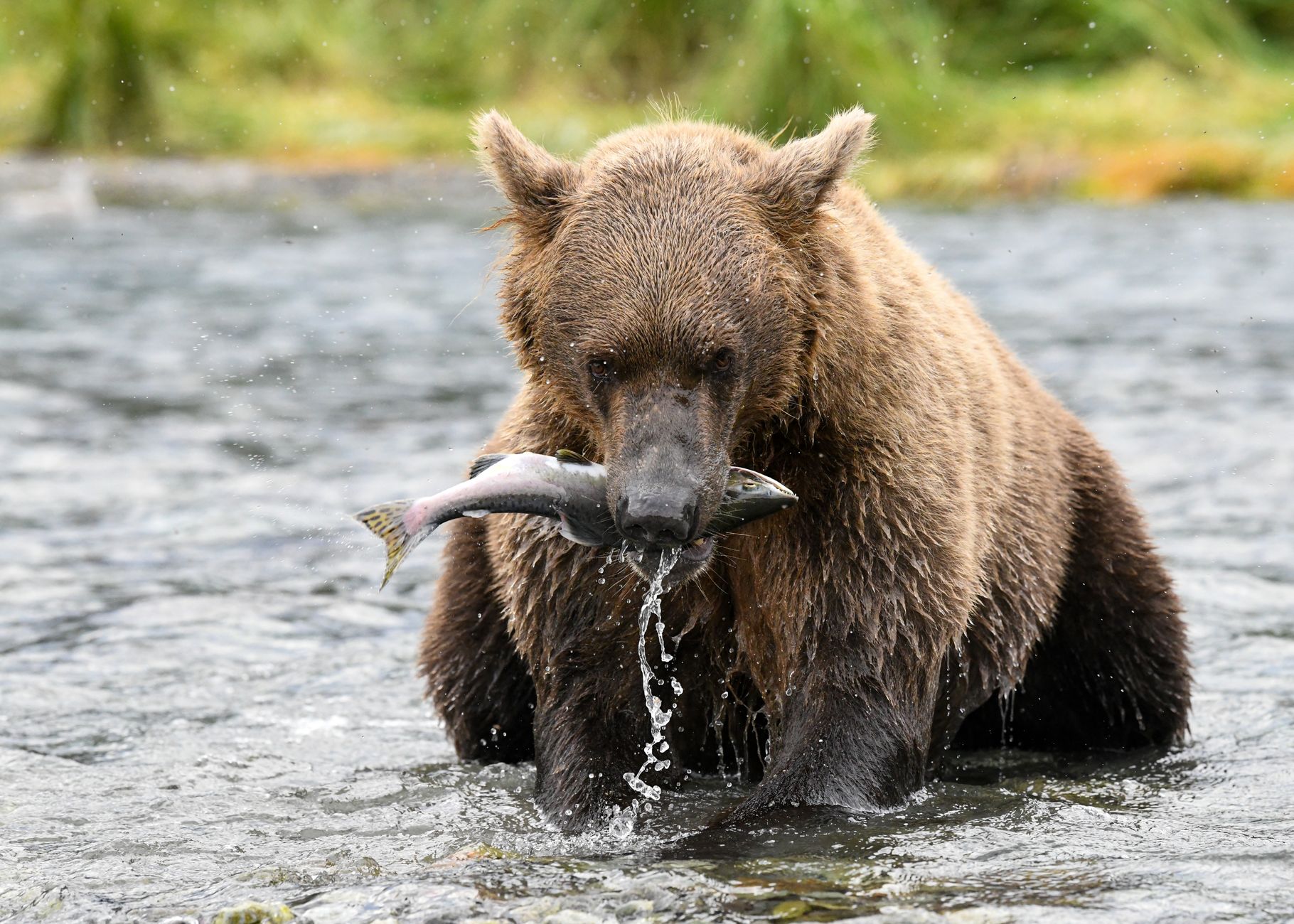
Alaska's Bering Sea, home to the massive pollock fishery used in many popular seafood products like fish sticks, is at the heart of a heated conflict. Industrial trawling for pollock unintentionally catches large numbers of other marine life, particularly salmon, vital to Alaska Native communities. This "bycatch" is sparking widespread anger and concern, threatening a way of life that has thrived for generations and highlighting the urgent need for sustainable practices to protect fragile ocean ecosystems. The situation underscores the difficult balance between economic demand and environmental preservation.
America's taste for seafood like fish sticks is fueling a fierce debate in Alaska's Bering Sea. Industrial boats harvesting billions of pounds of Alaska pollock, a common ingredient in popular dishes, also unintentionally catch vast amounts of other marine life, including salmon. This "bycatch" is stirring a major conflict, especially as salmon populations critical to Alaska Native communities face collapse.
For generations, salmon have been the lifeblood of dozens of Alaska Native villages along rivers like the Yukon and Kuskokwim. With their own fishing harvests restricted due to dwindling stocks, these communities watch with deep frustration as commercial trawlers offshore continue to catch salmon. This situation highlights a profound cultural and environmental crisis.
Scientists point to warming oceans as a primary driver for the salmon decline, a stark reminder of global warming's far-reaching effects. However, critics argue that bycatch, though not the sole cause, is a controllable factor. Even if only a portion of the bycaught salmon are from Western Alaska, every fish matters when populations are severely depleted. Efforts like genetic testing are used to track salmon origins and inform management.
While the pollock industry states it works to minimize bycatch, using communication between vessels and specialized gear like salmon excluders, concerns extend beyond salmon. Trawling, even when designed for midwater, can impact fragile seafloor habitats when nets contact the bottom, damaging important ecosystems.
This widespread frustration has united diverse groups across Alaska, from Native communities to commercial and sport fishers, and environmentalists. It has become a key issue in state politics, with candidates promising stricter regulations. This isn't just about fish; it's a fight for the future of ocean health and the preservation of a precious way of life, emphasizing the urgent need for more sustainable solutions to protect our planet's resources.