America's Green Energy Shift Faces Unexpected Gridlock

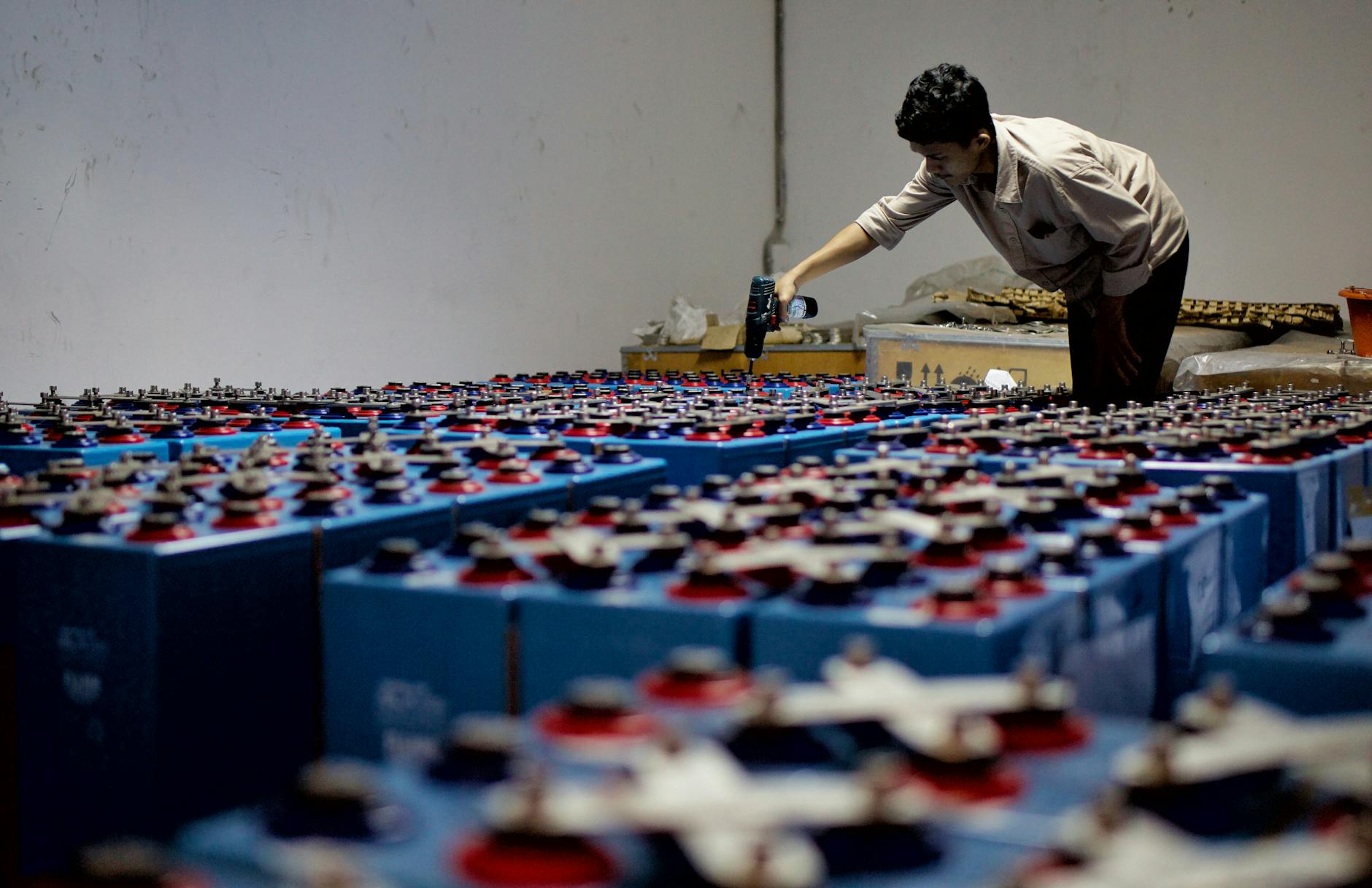
The surge in battery storage projects, crucial for a stable, cleaner energy future, is hitting a major roadblock across the U.S. While demand for these batteries is soaring due to electrification and growing energy needs, connecting them to our aging power grids has become a monumental challenge. Decades of underinvestment in grid infrastructure, coupled with equipment shortages, mean vital green energy projects are facing years of delays. This slowdown directly impacts efforts to decarbonize electricity and build a more resilient system, hindering urgent climate action.
Our nation's push for cleaner energy relies heavily on big batteries, which are essential for storing power from renewable sources like solar and wind. These batteries help stabilize the grid, reduce consumer bills by storing cheap energy, and ensure we have power when demand is high, especially during peak times like hot summer days when air conditioners are running full blast. Yet, despite their clear benefits and falling prices, hundreds of gigawatts of these projects are currently stuck in a lengthy waiting line to get plugged into the grid.
The core problem lies with our outdated electricity infrastructure. After years of limited investment, utilities are struggling to make the necessary upgrades fast enough. There's a severe shortage of key electrical equipment, like specific breakers, and not enough skilled workers to install everything. This means crucial grid improvements that should take months are now stretching into years, impacting projects from New York to California. For instance, some specialized equipment can take nearly four years to procure, significantly delaying clean energy initiatives.
These delays aren't just an inconvenience; they're slowing down our progress toward a greener future. Projects that could be helping us reduce reliance on fossil fuels and meet climate targets are instead being postponed or even canceled. While regulators and utilities are trying new approaches to streamline the process, like prioritizing projects or requiring developers to share upgrade costs, the hurdles remain significant. Overcoming these infrastructure challenges is vital to unlocking the full potential of electrification and accelerating our journey to a sustainable, carbon-free energy system.