America's nuclear future just took a big step forward.

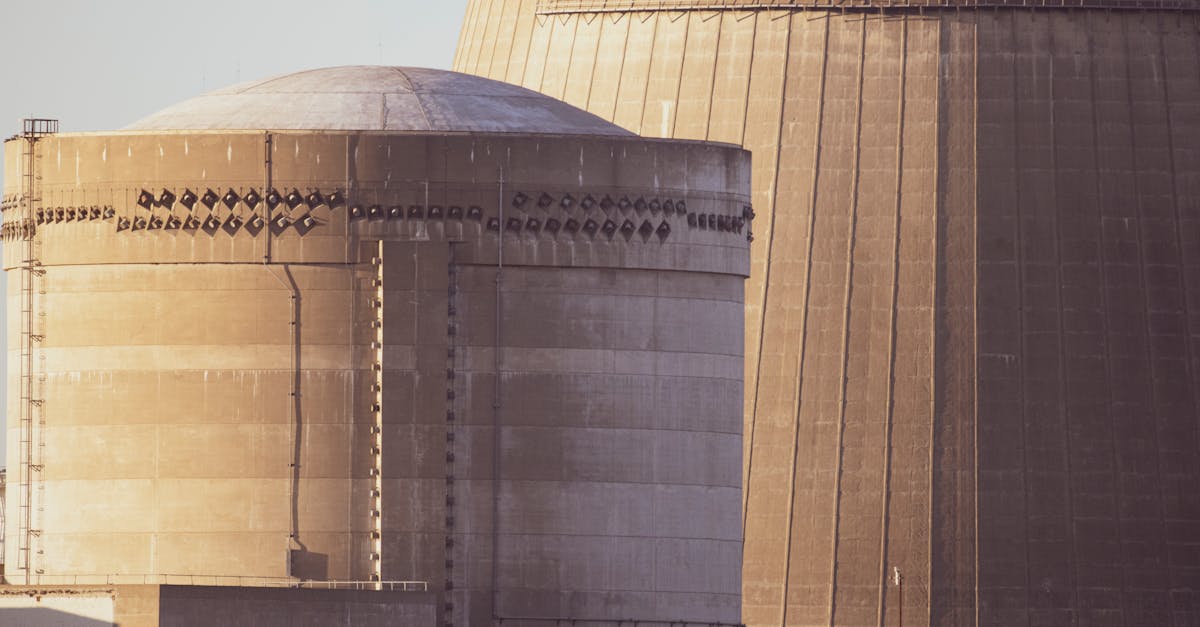
The U.S. Department of Energy has committed $303 million to Kairos Power, supporting its innovative Hermes demonstration reactor in Tennessee. This funding, structured as a performance-based agreement, marks a significant federal backing for advanced nuclear technology. The Hermes reactor is the first Generation IV reactor approved for construction in the U.S. in over 50 years. This development is crucial for accelerating America's clean energy transition and meeting rapidly growing electricity demands with reliable, low-carbon power.
This substantial investment highlights America's renewed focus on advanced nuclear power as a vital tool in combating climate change and ensuring a stable energy future. The Hermes reactor, expected to be operational by 2027, will not produce commercial electricity but will prove the safe and effective operation of Kairos Power's unique fluoride salt-cooled high-temperature reactor (KP-FHR) design. This demonstration is a key stepping stone towards widespread commercial deployment of advanced nuclear systems.
Hermes combines established technologies: TRISO-coated particle fuel and molten fluoride salt coolant, both with roots in Oak Ridge. These elements significantly enhance safety and simplify how the reactor operates. The molten salt coolant improves heat transfer and stability, while the TRISO fuel provides strong containment for radioactive materials. This design offers inherent safety features, reducing the need for complex backup systems and making nuclear power even more reliable for a clean energy grid.
The Department of Energy's agreement is designed to minimize risk by tying payments to clear technical achievements, a model previously used successfully by NASA. This approach complements the substantial private funding already invested by Kairos Power, fostering an agile, iterative development process. The company is also working to control its supply chain, including fuel manufacturing, which aims to reduce costs and delays often seen in traditional nuclear projects.
This push for advanced nuclear comes as electricity demand is sharply increasing, driven partly by the boom in artificial intelligence and data centers. The International Energy Agency reports that U.S. electricity demand is projected to grow significantly, requiring reliable, always-on power sources. Nuclear energy offers a stable, emissions-free solution, making it increasingly attractive for both environmental goals and securing our energy future. The U.S. administration has an ambitious goal to quadruple U.S. nuclear capacity by 2050, seeing advanced reactors as crucial for their promise of shorter construction times and lower costs than older, larger plants, making them more adaptable and reducing financial risk.