America's Oil Lifeline Hits 40-Year Low. What Happens Next?

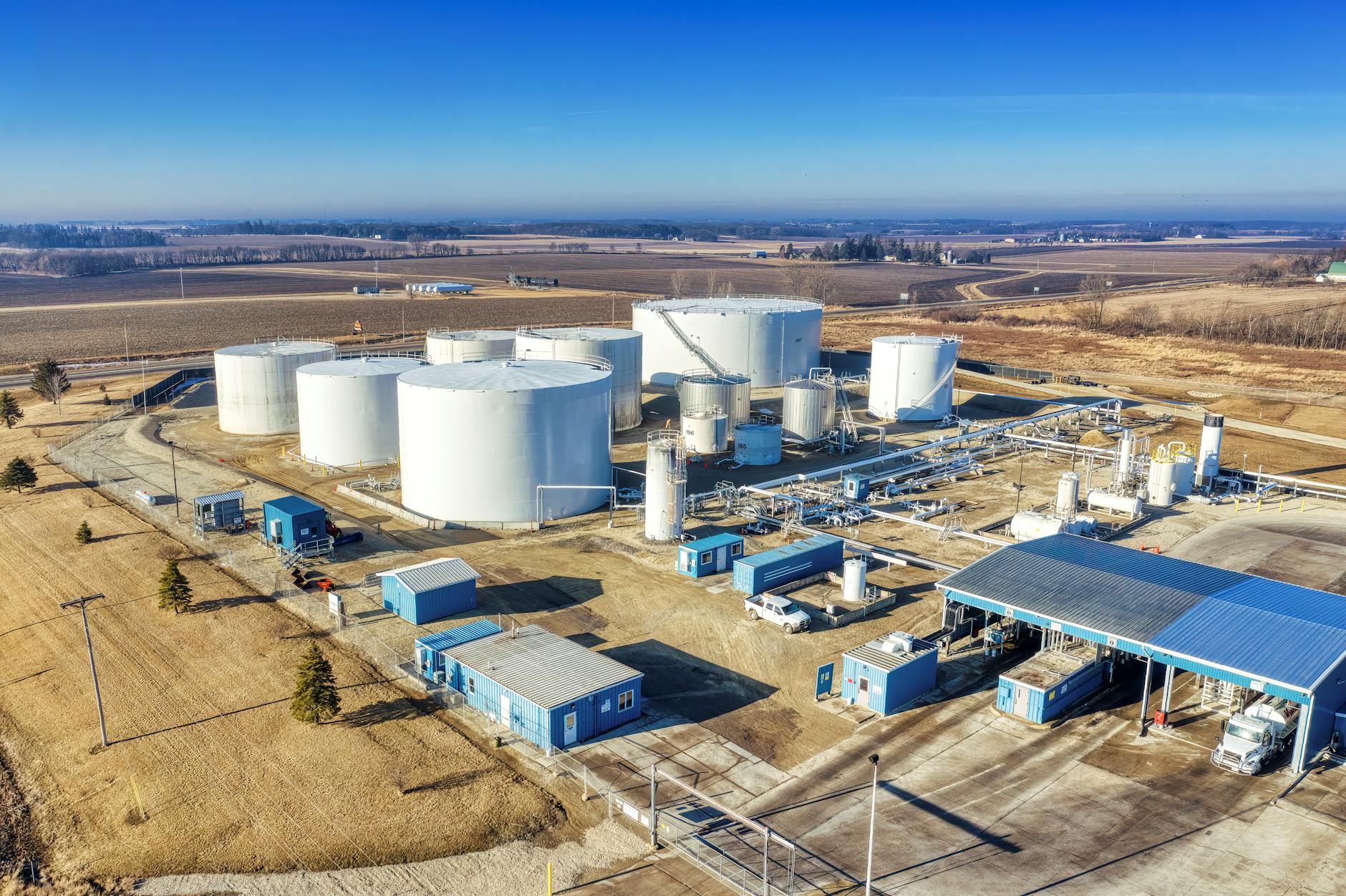
The U.S. Strategic Petroleum Reserve (SPR), a vital government oil stockpile, has dropped to its lowest levels since the 1980s. Frequent drawdowns, spurred by global conflicts and efforts to control high fuel prices, have significantly depleted this critical resource. This situation not only threatens the physical integrity of the storage facilities but also weakens the nation's ability to respond to future energy crises. Addressing this vulnerability requires urgent reevaluation of our energy strategies, pointing toward sustainable solutions.
The U.S. Strategic Petroleum Reserve, housed in vast underground salt caverns, acts as a crucial buffer for the nation's fuel supply, which eventually becomes gasoline and diesel for daily use. However, this reserve has seen rapid depletion, shrinking by over 30% in just six months due to ongoing global conflicts and the administration's efforts to ease high gasoline and diesel prices. From holding around 415 million barrels in February, it now stores less than 285 million barrels—a level not seen since the early 1980s.
Energy experts like Samantha Gross from the Brookings Institution warn that these rapid drawdowns could physically damage the caverns. Ben Cahill of the Atlantic Council highlights the economic risks, noting that global oil stockpiles are dwindling, making it harder and more expensive to replenish the SPR. Brent crude, the global benchmark, remains over $100 a barrel, significantly higher than when recent conflicts began.
The Trump administration's recent partnership with a Venezuelan oil company aimed at refilling the reserve faces significant hurdles. Much of Venezuela's oil is heavy and dense, not ideal for existing U.S. reserve facilities or easy refining into gasoline. Swapping different oil grades is a possibility, but developing new Venezuelan oil fields could take a decade or more, meaning no quick fix for the dwindling U.S. supply.
Ultimately, lessons from other nations, like China, suggest a more effective long-term solution lies in reducing demand. Antoine Halff, an expert on oil markets, notes that China's growing fleet of electric vehicles (EVs) is already displacing demand for at least 1.5 million barrels of oil daily. This multi-pronged approach to energy security, including a shift to cleaner transportation, proves far more resilient.
In contrast, the U.S. has reversed policies that encouraged electric vehicle adoption, like federal tax credits. Experts now emphasize that true energy security and environmental progress depend not just on replenishing supply, but fundamentally shrinking our demand for fossil fuels through widespread electrification and sustainable practices. This shift is critical for both our national resilience and a healthier planet.