America's Power Grid Faces a Critical Test. What's at Stake?

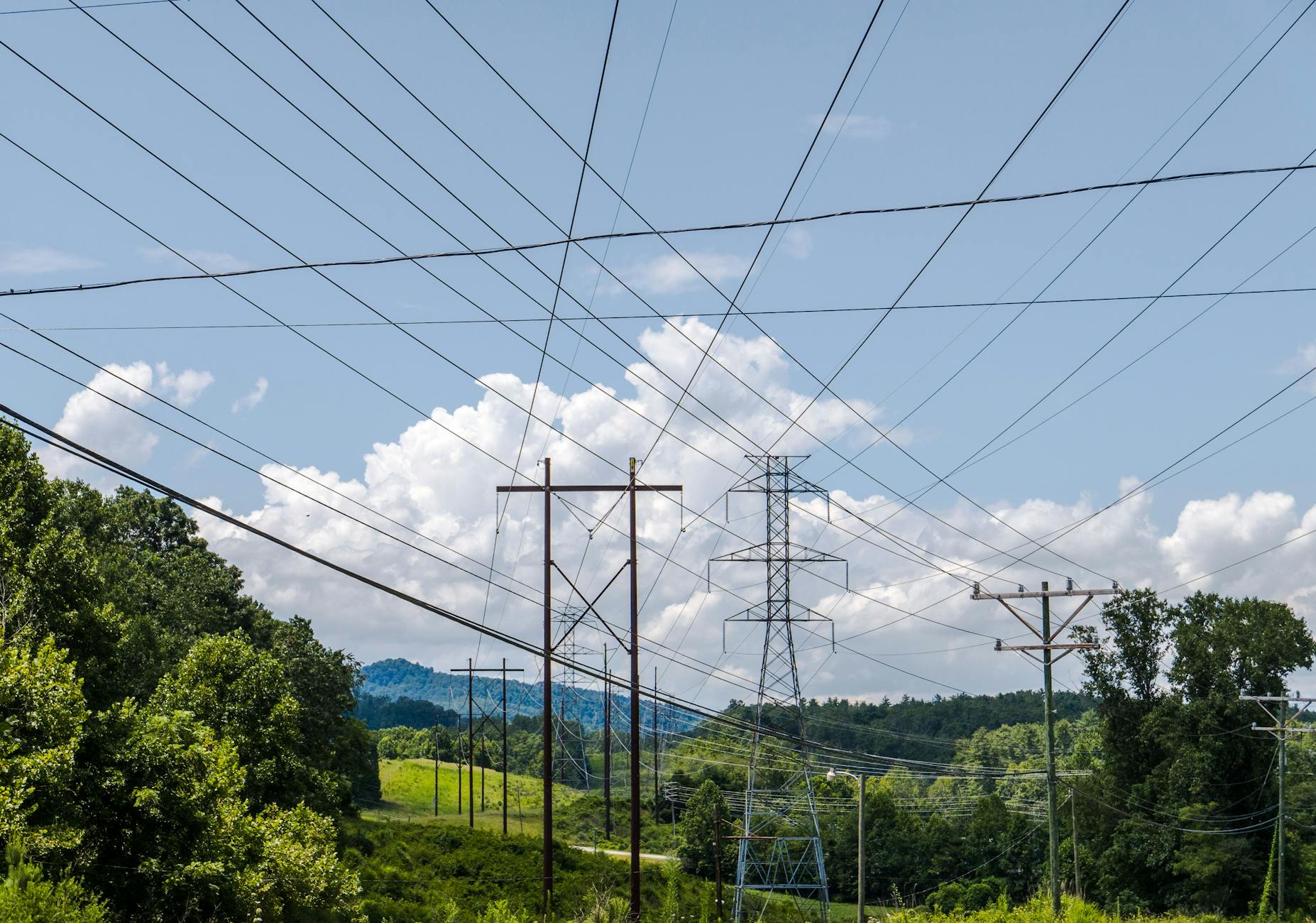
America's electricity grid is nearing a crisis point, threatening to send power bills soaring and derail crucial efforts to combat climate change. Just like too many cars cause traffic jams, an overloaded grid can't efficiently move electricity from power plants to our homes and businesses. This congestion is driven by rapidly growing demand from new technologies like electric vehicles and data centers. Without swift action to upgrade our transmission lines, we risk higher costs for everyone and a slower transition to cleaner, more sustainable energy solutions.
Our nation's electricity system is struggling to keep up with surging demand. For decades, electricity use grew slowly, but now it's skyrocketing, largely due to the rise of power-hungry data centers, electric vehicles, modern heat pumps, and air conditioning.
This increased demand, paired with an outdated grid, creates 'traffic jams' on our power lines. The result? Americans' electricity rates have already jumped by more than a third in the last five years, and analysts forecast they could climb another 15% to 40% in the next five years, potentially doubling by 2050. Beyond the financial hit, these grid bottlenecks directly impede our fight against climate change. When clean energy sources can't connect, older fossil fuel plants stay online longer, and new data centers sometimes resort to building their own dirty natural gas generators.
Expanding our transmission lines is key to easing this congestion and accelerating the shift to a cleaner, more reliable energy system. However, building new lines in the U.S. is a painfully slow process, often taking a decade or more due to complex permitting requirements. This stands in stark contrast to places like Texas, which rapidly expanded its grid with proactive laws, or China, which builds thousands of miles of advanced power lines each year.
Past attempts to streamline the process, like the 2005 Energy Policy Act, have been mired in legal battles. Even recent efforts to designate high-priority transmission corridors were unfortunately canceled due to political disagreements. The urgency is clear: the Department of Energy estimates we need to double or even quadruple our transmission capacity by 2050 to meet demand affordably and reliably. To achieve this, we'd need to build roughly 5,000 miles of high-capacity lines annually – a rate we haven't come close to in over a decade.
There is hope. A bipartisan group of senators has introduced legislation designed to reform permitting and speed up construction. Experts suggest improvements like allowing federal regulators to directly approve major projects, ensuring long-term planning, and offering investment tax credits. Analyses of similar proposed reforms have shown they could significantly cut climate pollution by billions of tons, save consumers billions on their electricity bills, and make our grid far more resilient against widespread outages. Modernizing our grid isn't just about convenience; it's about securing an affordable, reliable, and sustainable future for everyone.