An Ancient Island's Fate Hangs in the Balance

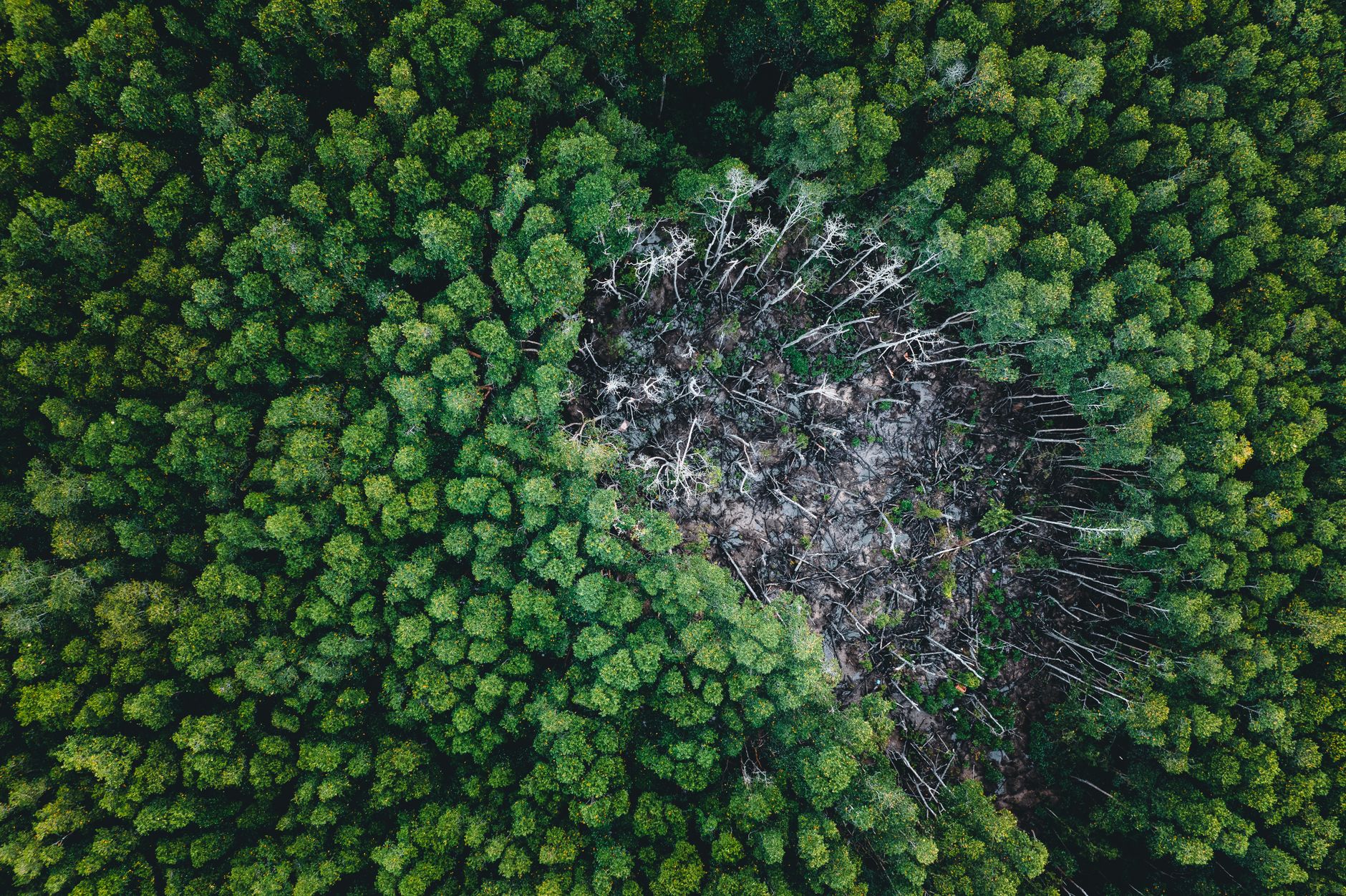
Great Nicobar, an island of ancient forests and vibrant marine life, faces an uncertain future. A massive government development project is set to transform this ecological marvel with a new port, airport, and township. This ambitious plan threatens to destroy millions of trees, dredge precious coral reefs, and shatter the traditional way of life for indigenous communities like the Shompen and Nicobarese. The unfolding situation highlights a critical conflict between rapid human development and the preservation of irreplaceable natural and cultural heritage.
Great Nicobar is a place where time moves differently. Its towering old-growth rainforests, supported by buttress roots and teeming with unique life, have stood for millennia, surviving earthquakes and tsunamis. This ancient ecosystem is home to extraordinary biodiversity, from the elusive Nicobar long-tailed macaque to the Nicobar megapode, and countless other species, some yet unknown to science. For the indigenous Shompen and Nicobarese, their world is deeply woven into these forests and seas, where humans, animals, and spirits are interconnected.
However, a colossal government megaproject now looms over this island paradise. Plans include a massive transshipment port, an international airport, a new township, and luxury tourism facilities, complete with all the necessary infrastructure. This development means millions of trees will be felled, delicate coral reefs will be dredged, and vast expanses of old-growth rainforest will be cleared and fragmented, wiping out habitats and disrupting the island's ecological balance.
The impact on the Shompen and Nicobarese people is profound. Their histories, livelihoods, and spiritual beliefs are inseparable from the land and sea. For them, losing the forest is not merely a loss of territory; it is, as one Nicobarese man expressed, the very “death of life.” The project’s timeline, measured in administrative deadlines and investment schedules, stands in stark contrast to the island’s ancient rhythm—a future emptied of memory and rootedness.
The urgency to protect such unique places has never been clearer. As white-bellied sea eagles continue their timeless vigil and leatherback turtles follow ancient migratory paths to nest, their world is being redrawn by human ambition. Preserving these irreplaceable ecosystems is vital not just for the island's biodiversity and its indigenous people, but as a testament to our collective responsibility to safeguard the planet’s natural wonders for generations to come.