Ancient Corals Reveal El Niño Events Are Now...

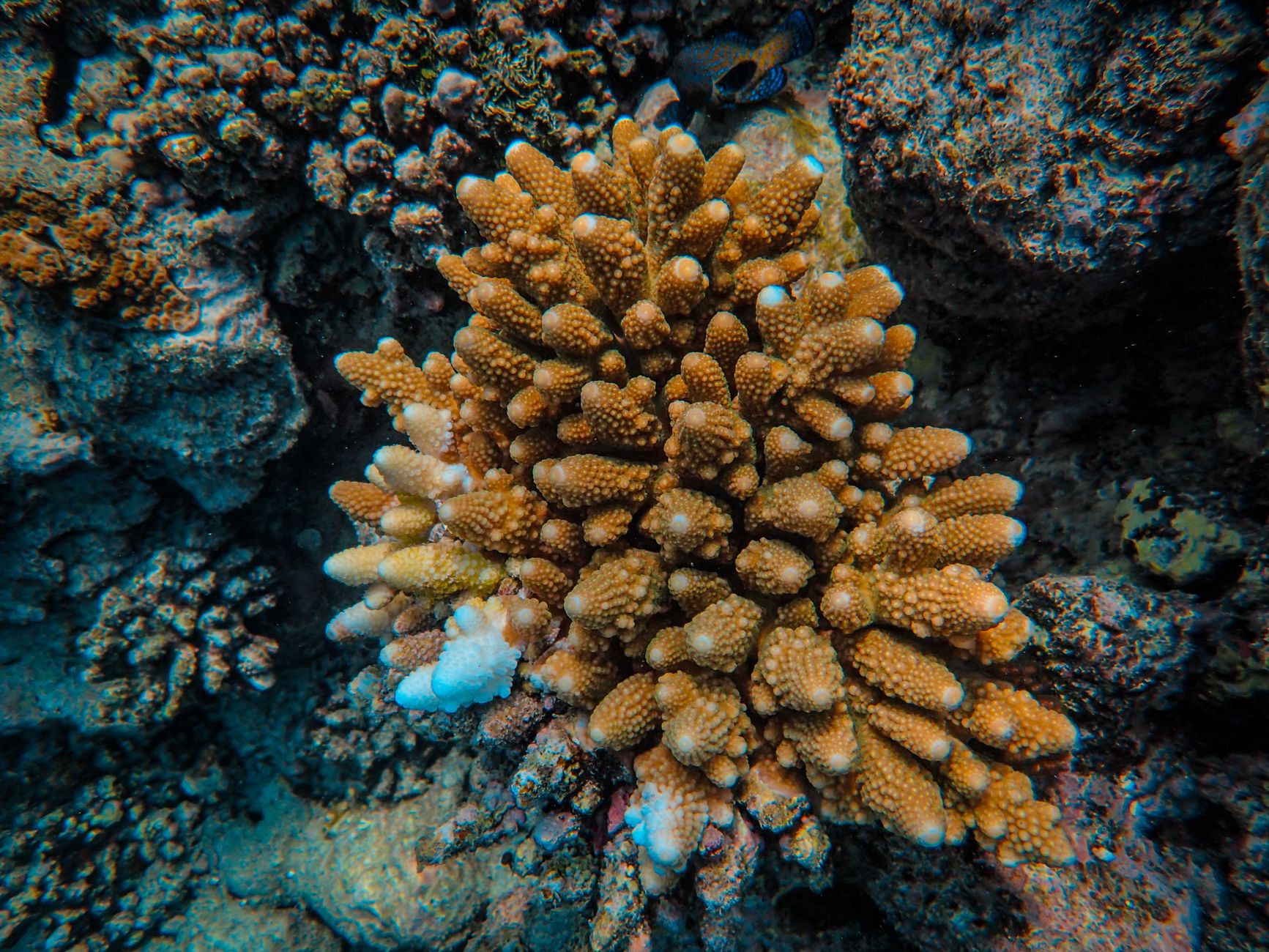
New research from the ancient coral reefs of the Galapagos offers a striking look into how El Niño events are intensifying. Climate scientists, led by Julia Cole from the University of Michigan, studied coral skeletons over a thousand years old to extend our understanding beyond the limited official record. Their findings, published in Science, reveal that these powerful weather phenomena have become significantly more extreme since the industrial era, when widespread fossil fuel burning began. This crucial discovery indicates a clear link between human-caused climate change and the alarming increase in El Niño's intensity, underscoring the urgency of addressing global warming.
El Niño is a natural weather pattern that periodically warms the tropical Pacific Ocean, influencing weather systems across the globe. While the official record of these events spans less than a century, scientists like Julia Cole have turned to nature’s own archives to understand their long-term history. By analyzing the annual growth bands within ancient coral skeletons, much like reading tree rings, researchers can reconstruct ocean temperatures from over a thousand years ago.
This groundbreaking method allowed Cole’s team to observe a critical shift: El Niño events have grown far more extreme since the industrial era. This period, marked by a dramatic increase in the burning of fossil fuels, correlates directly with these super-strong events now pushing beyond what was once considered their natural variation. The implication is clear and urgent: human-caused climate change is making El Niños more intense, leading to more unpredictable and powerful weather disruptions worldwide. This research powerfully highlights how our collective actions have far-reaching environmental consequences, making the transition to sustainable solutions and global climate action more vital than ever.