Ancient Corn Returns: What Puerto Rico Is Reviving Now

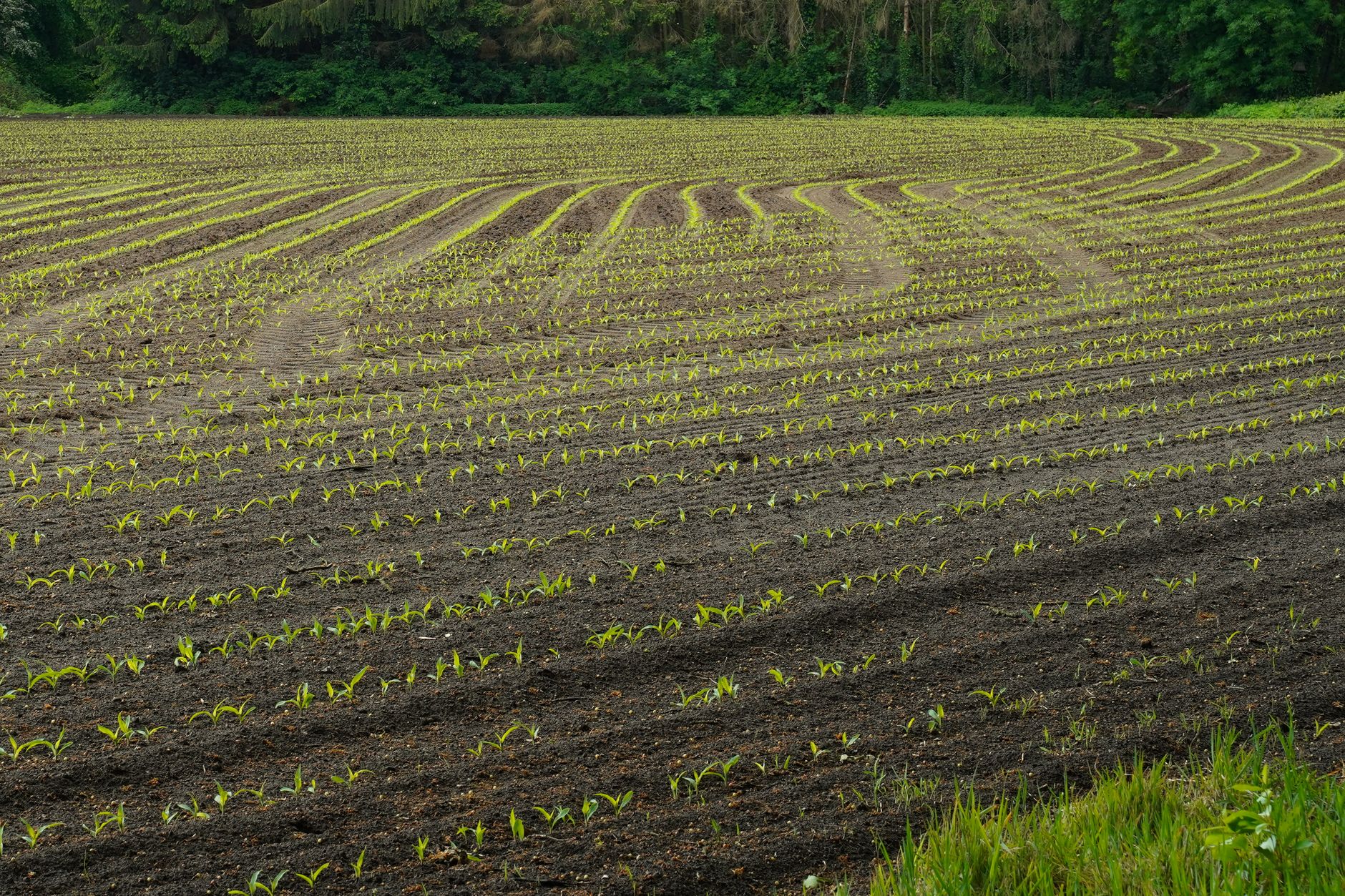
In Puerto Rico, an ancient Caribbean corn variety is being brought back from the past. This significant effort, led by local researchers, aims to preserve a crucial part of the region's culinary history and strengthen food security. With climate change bringing severe challenges like prolonged droughts and water scarcity, this ancestral corn offers a resilient solution. Reconnecting with these deeply rooted agricultural practices is vital for adapting to a changing world and ensuring a sustainable food future for the Caribbean.
Hands across Puerto Rico are diligently cultivating, preserving, and sharing an ancestral corn variety that has sustained Caribbean communities for thousands of years. This corn is indispensable for traditional foods like tortillas, arepas, and guanimos, which are central to Latin American and Caribbean diets. However, the archipelago faces growing threats from climate change, including extended droughts, dwindling water supplies, and extreme weather events, all of which jeopardize these vital harvests.
At the University of Puerto Rico in Río Piedras, the Ethnoecology and Human Paleoenvironments Laboratory, led by archaeologist Jaime Pagán Jiménez, is at the forefront of this movement. Their primary goal is to better understand these resilient ancestral varieties, hoping they can contribute significantly to food sovereignty and security amidst the changing climate. The 'Maíz caribeño precoz' (early Caribbean corn), once a staple, was largely replaced over a century ago but is now making a comeback, with successful harvests already underway in urban demonstration gardens.
Originally domesticated in Mexico roughly ten millennia ago, corn quickly spread, reaching Trinidad and Tobago some 7,800 years ago. Pagán Jiménez highlights that Caribbean peoples were integral to this domestication process, adapting plants like corn, chilies, and beans to the unique island environments. He stresses that these ancestral corns, having adapted to the Caribbean's variable climate for millennia, are inherently more resilient than modern hybrid varieties developed over just a few decades. This deep historical adaptation offers a powerful natural advantage against contemporary climate challenges.
The lab's initiatives, including the Living Caribbean Ethnobotany Herbarium and the Social Seedbed for the Future, aim to conserve and produce these indigenous crops, making them accessible to farmers and the public. These programs serve as living museums, educating students and visitors about the rich history of Caribbean food systems and challenging the outdated notion of simple pre-colonial societies. Research, including studies on ancient food starches from archaeological sites, reveals that native Caribbean societies had diverse diets and played a significant role in plant domestication Research Gate article.
While we can't simply replicate past agricultural systems, understanding this detailed history creates essential awareness today. By conserving these time-tested seeds and knowledge, we gain more options and insights into how to build a resilient, sustainable food future for the Caribbean.