Ancient trees hold secrets: What 'captured breath' reveals.
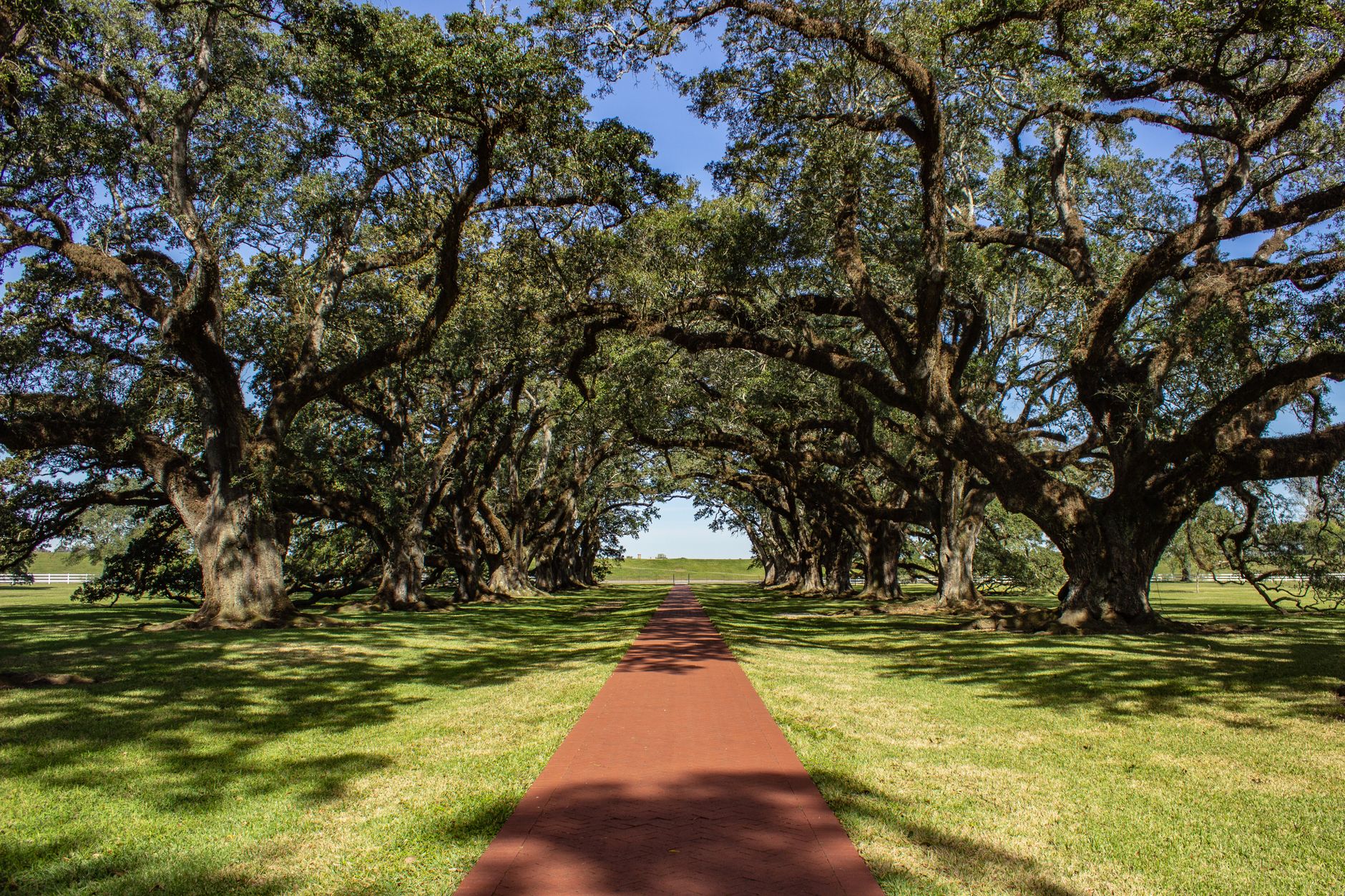
Botanist Beronda Montgomery's book, "When Trees Testify," powerfully links the hidden history of African Americans with the enduring life of trees. She reveals how ancient trees, through photosynthesis, literally captured the "breath" of enslaved ancestors, serving as living archives and "material witnesses" to profound human experiences. This groundbreaking work blends science, history, and memoir, urging us to recognize the deep connections between people and plants. It emphasizes trees' critical role not just in our past, but also in confronting today's climate challenges and inspiring a more sustainable future.
In her compelling book, "When Trees Testify: Science, Wisdom, History, and America’s Black Botanical Legacy," Montgomery explores how trees are deeply interwoven with the African American experience. From the forced clearing of land to their silent presence during horrific acts, trees have witnessed centuries of human history. Montgomery, a plant scientist, found that her understanding of photosynthesis offered a profound new perspective: the carbon dioxide exhaled by enslaved people was absorbed by trees and incorporated into their wood, meaning "their breath was captured in the tree." This scientific reality transforms trees into living memorials, holding the essence of past lives within their very structure, offering a unique, enduring connection across generations.
Montgomery also discusses how trees might hold a form of "epigenetic memory." She posits that significant events, like a tree used for lynching or roots soaking in blood near sites of injustice, could imprint subtle markers on the trees' growth and development. This idea challenges us to consider the deep, material ways the environment remembers and carries forward the impact of human actions, suggesting a living, evolving archive of history rooted in the natural world.
Furthermore, the book highlights how trees were crucial to self-emancipation. Figures like Harriet Tubman possessed extensive knowledge of trees, using species like the sycamore as a "forest compass." Sycamores, with their distinctive peeling bark and tendency to grow near water, provided visible navigation points and places of refuge. This deep understanding of the natural environment was a vital tool for survival and freedom, underscoring the ingenuity and resilience of those seeking liberation.
The book also celebrates the often-overlooked agricultural contributions of enslaved Africans. Their sophisticated knowledge of cultivation was foundational to industries like rice and pecans in the U.S. West African women's expertise in rice cultivation was so valued that enslavers paid premium prices for them. Similarly, an enslaved man named Antoine developed the first successfully grafted pecan tree, laying the groundwork for the commercial pecan industry. These contributions underscore the advanced botanical knowledge that enslaved people brought, which shaped America's agricultural wealth, and remind us of the deep historical ties between people and plants.
Ultimately, "When Trees Testify" encourages readers to foster a deeper awareness of the trees around them. By recognizing their role as historical witnesses and vital components of our ecosystem, we are prompted to reflect on our shared existence on the planet. Understanding how trees capture and store carbon also implicitly highlights their critical role in combating climate change, urging us to consider what it means to live a life worthy of the enduring presence of trees for future generations.