Ancient Wisdom Holds Key to Hawaii's Food Security Future

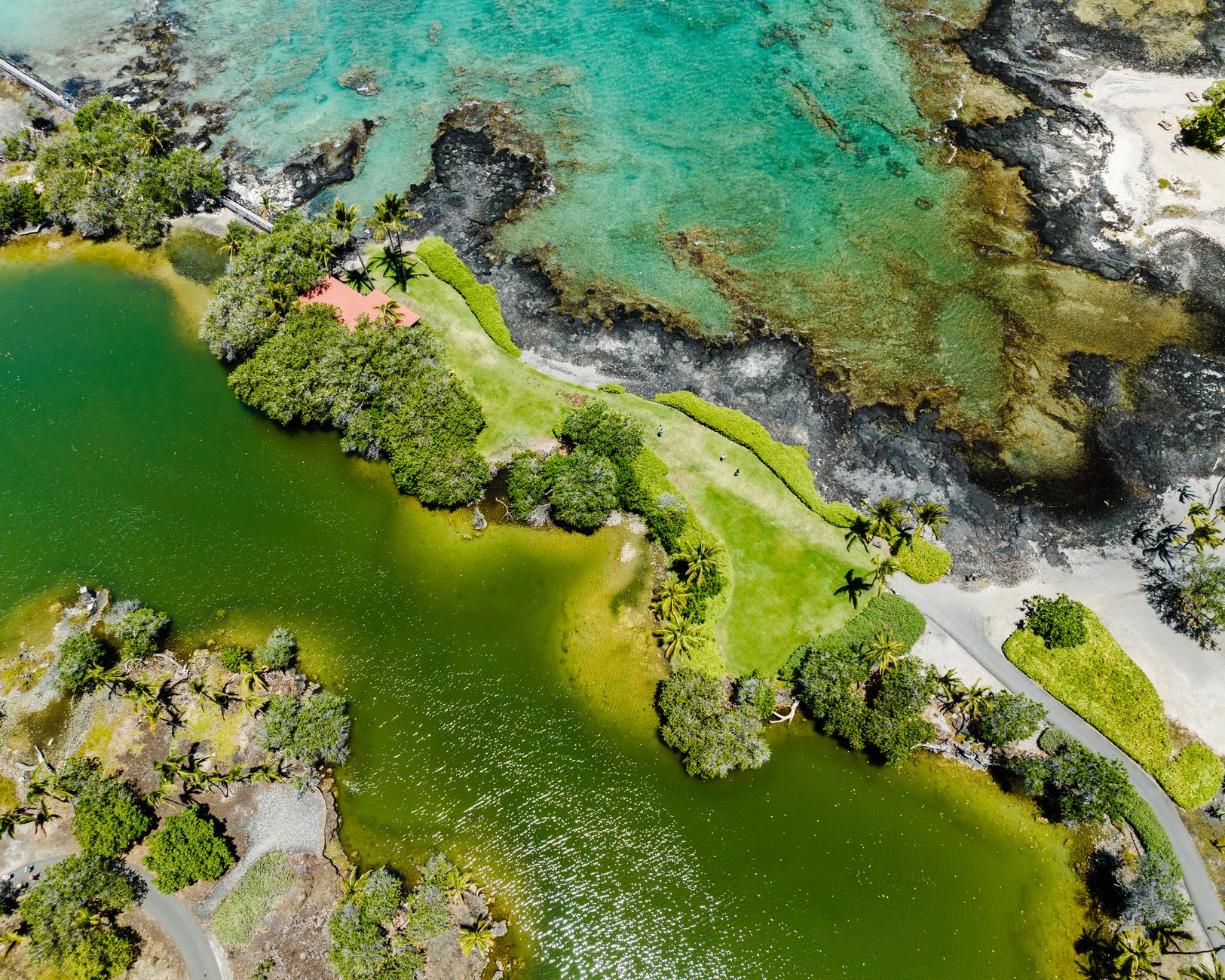
Hawaii faces a significant challenge, importing nearly 90% of its food. This reliance leaves the islands highly vulnerable to disruptions from climate disasters or fuel shortages, threatening essential food supplies. Historically, however, Hawaiians thrived on locally sourced food, including a diverse range of fish from unique coastal ponds. Now, grassroots efforts are underway to restore these ingenious traditional fishponds, revitalizing cultural practices and building a crucial, resilient food system. This move is more vital than ever as the climate continues to change, reinforcing the urgency of sustainable local solutions.
Hawaii’s current dependency on imported food means that any major disruption, like a severe storm or supply chain issue, could quickly lead to food shortages. This wasn't always the case. Centuries ago, Hawaiians masterfully cultivated their own food, including fish from specially designed ponds that optimized their coastal environments.
These ingenious fishponds were often created by strategically building rock walls to enclose a bay or similar natural area. Tiny fish would naturally enter these ponds through cleverly placed wooden grates. Inside, they would feed and grow, eventually becoming too large to swim back out, effectively creating a self-sustaining fishery. These systems provided a steady and reliable food source for generations. You can learn more about these efforts from Kua‘āina Ulu ‘Auamo.
However, over time, due to colonialism and modern development, most of these valuable fishponds fell into disrepair. Today, dedicated grassroots groups across Hawaii are stepping up to bring them back to life. Their work involves clearing invasive species, removing built-up sediment, and carefully rebuilding collapsed walls to restore these vital ecosystems.
Beyond providing food, these restoration projects also help reconnect communities with their rich cultural heritage. Brenda Lima from Kua‘āina Ulu ‘Auamo highlights how these efforts are viewed as a key strategy to re-establish food security for the islands. In a world facing increasing climate challenges, embracing and restoring such sustainable, community-driven solutions is incredibly important for building a resilient future and protecting our planet.