Antarctic Ice Loss Triggers Unseen Ocean Shift with Global Reach

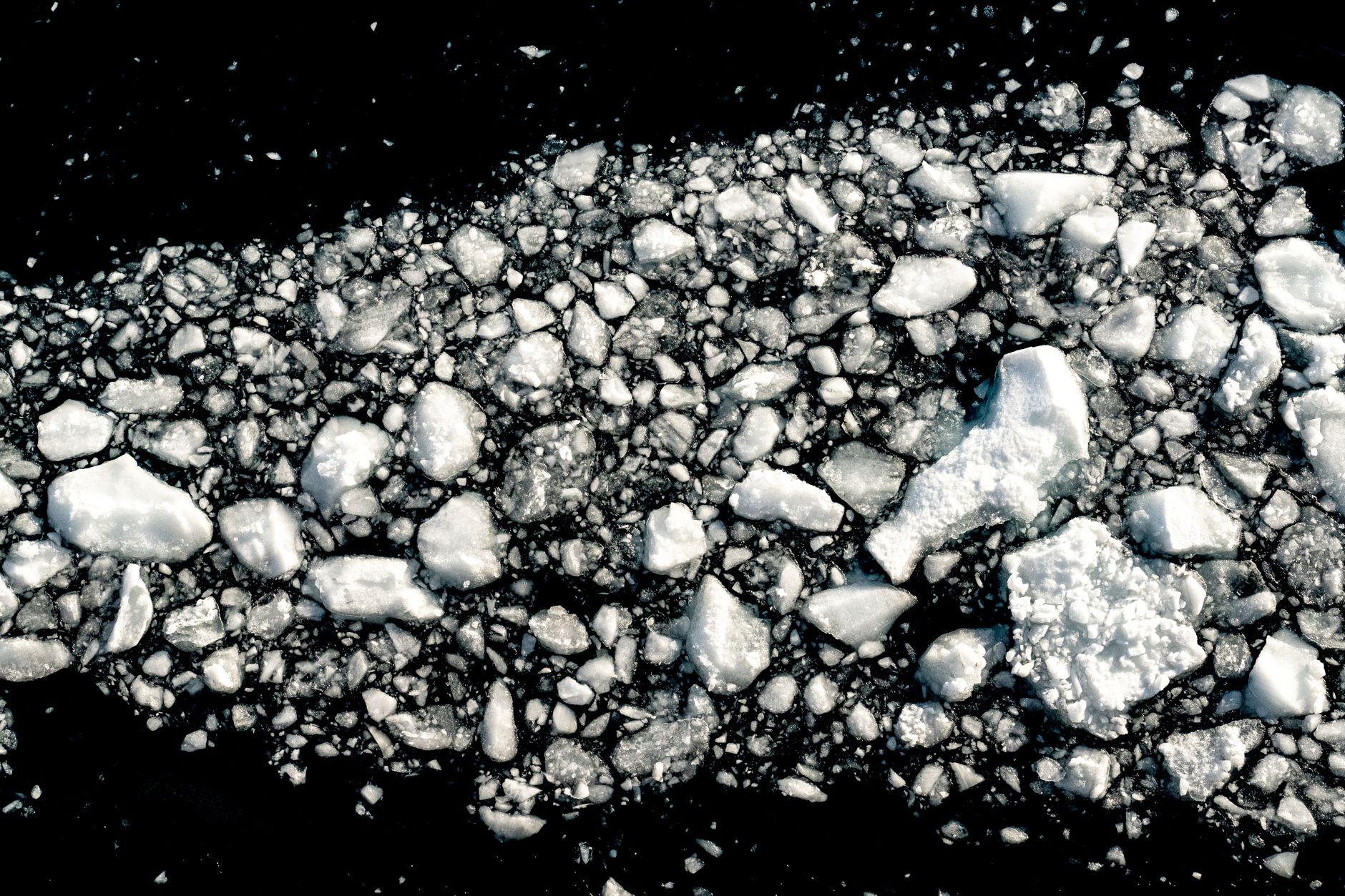
Scientists report a significant and rapid decline in Antarctic sea ice since 2016, leading to dramatic changes deep within the Southern Ocean. This unprecedented shift has caused a crucial layer of water, known as Antarctic Intermediate Water, to become much saltier, reversing decades of freshening. Such changes normally occur over millennia, yet they are now unfolding in just a few years. This transformation has far-reaching implications, impacting global ocean currents that regulate heat, carbon, and nutrients across the planet, underscoring the urgent need for climate action.
A recent study reveals a sharp increase in the salinity of a vast, deep layer of the Southern Ocean, extending around Antarctica. This dramatic reversal from a long-term freshening trend mirrors significant global climate shifts that typically unfold over thousands of years, yet it's happening at an alarming pace today.
This crucial layer, called Antarctic Intermediate Water, extends northward into the Indian, Pacific, and Atlantic oceans. It acts as a vital conveyor belt, transporting heat, carbon, oxygen, and nutrients toward tropical regions and even across the equator. These sudden changes could profoundly affect how our planet's oceans function.
The culprit is the rapid decline of Antarctic sea ice. After reaching its highest recorded extent in 2014, sea ice plummeted to a record low just two years later, and hit another low in 2023—an area about four times the size of Texas disappeared compared to previous averages. With less ice melting, there's less freshwater entering the ocean, making the deeper waters saltier. This mirrors findings from a separate 2025 study that also observed increasing surface salinity linked to dwindling sea ice.
These shifts in ocean water density and salinity can alter how heat moves between the ocean surface and deeper areas. Experts warn of potential impacts within five years, including increased storm frequency and ocean heat loss, as identified by a 2024 study. A comprehensive scientific review further concluded that changes in Antarctic sea ice influence global atmospheric heat, moisture, and overall climate stability.
The speed and persistence of this sea ice decline suggest that the ocean around Antarctica is entering a new state. This will not only impact local Antarctic ecosystems but also ripple throughout the entire global climate system. The Southern Ocean plays a massive role in absorbing human-caused carbon dioxide emissions, helping to moderate global warming. Anything that disrupts these essential ocean cycles demands our immediate attention.
While the long-term permanence of this shift is still being studied, current climate models struggle to accurately reflect these recent sea ice losses, highlighting the urgent need for more research and monitoring. If this low sea-ice state continues, these significant changes will keep spreading through the world’s oceans, with profound effects on our climate and ecosystems for decades to come. Understanding and acting on these warnings is crucial for our planet's future.