Arctic Ice Shrinks to Record Low: What Are the Global Implications?

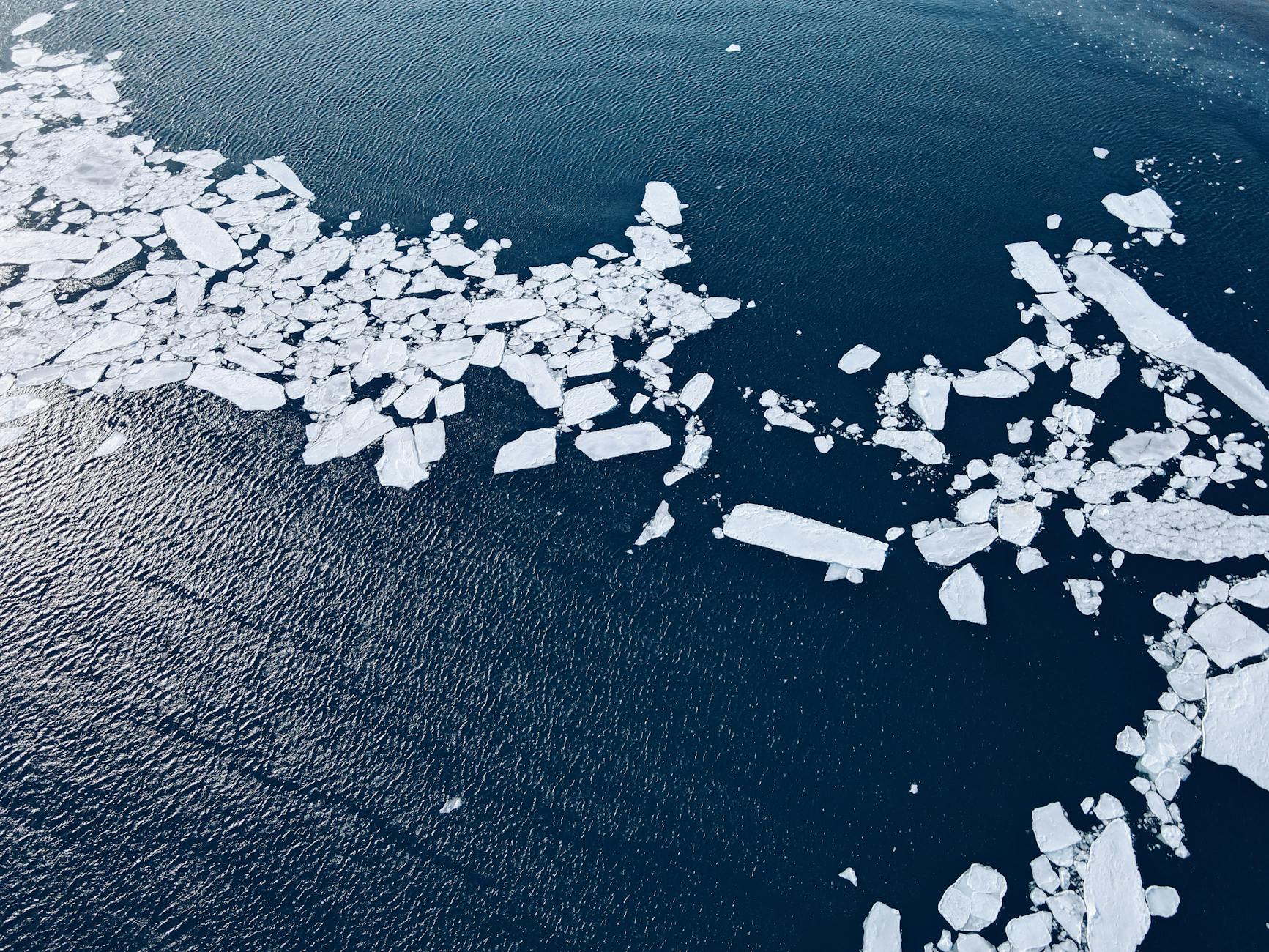
Arctic sea ice has reached its lowest winter level on record, a critical indicator amidst a global surge in temperatures that has shattered records across continents. This shrinking ice cover is vital for regulating Earth's climate, acting like a giant refrigerator by reflecting sunlight and keeping our planet cooler. Its rapid decline has significant implications for wildlife like polar bears and seals, and could even impact global weather patterns, underscoring the urgent need for climate action.
This past winter, Arctic sea ice tied its lowest measured level for the season, peaking at just 5.52 million square miles. This is significantly less than the 1981-2010 average, with an area roughly twice the size of Texas missing from our planet's northern ice cap. The ice's role in reflecting sunlight is crucial for keeping our oceans from absorbing too much heat, a function that becomes increasingly vital as global temperatures climb. Arctic sea ice is crucial to Earth’s climate because without it, more heat energy enters the oceans, directly impacting wildlife such as polar bears and seals, and leading to geopolitical disruptions due to new shipping routes.
While Arctic ice diminished, much of the world was experiencing unprecedented warmth. March heat records were obliterated across the United States, Mexico, Australia, Northern Africa, and parts of Northern Europe. One climatologist described these extreme March temperatures as “by far the most extreme heat event in world climatic history,” with tens of thousands of records falling in Asia alone, sometimes by staggering margins of 30 to 35 degrees. This widespread heat highlights a concerning trend.
Even as the Arctic warms, Antarctica recently recorded an exceptionally cold March day, showcasing the complex and sometimes contrasting nature of polar weather. However, for the Arctic, this consistent decline in winter ice is a clear signal of global warming. It gives the summer melt season a 'head start,' potentially leading to more open water earlier. Less ice means more heat absorbed by the ocean, which some scientists theorize could disrupt global weather patterns, emphasizing the urgent need for collective environmental action.