Arctic's Melting Ice Reveals a New Global Flashpoint

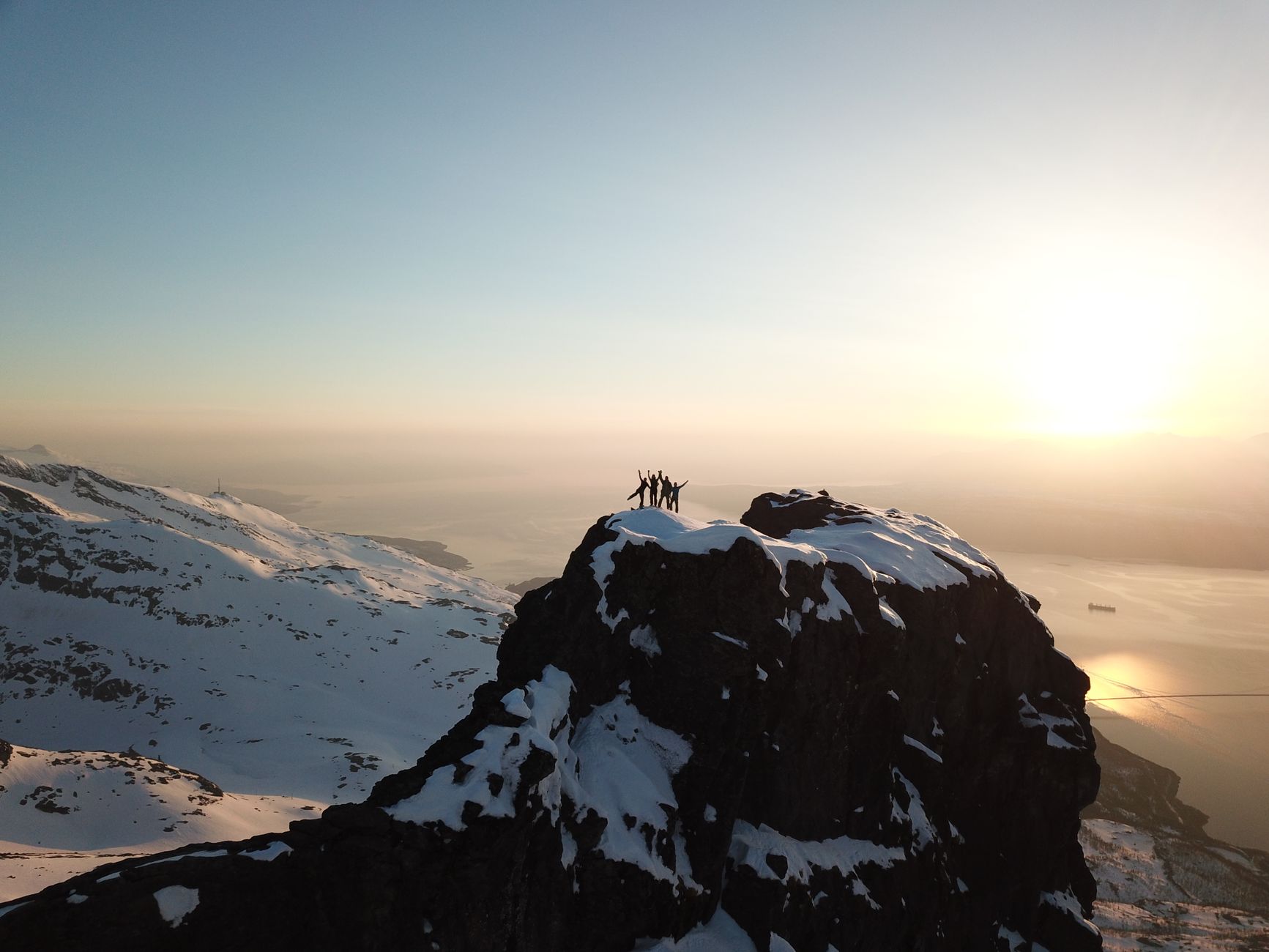
European leaders recently convened in Finland to address the rapidly changing Arctic region. Global warming is dramatically thinning Arctic ice, unlocking new shipping routes and access to vast natural resources. This environmental transformation is creating a "geopolitical hotspot," intensifying competition and raising significant security fears. Leaders are particularly concerned about Russia's increasing military presence and its implications for European stability, emphasizing the urgent need for a cohesive EU Arctic strategy.
The Arctic, once a remote frontier, is quickly becoming a central stage for international competition. As climate change continues to melt its ice, previously impassable sea lanes are opening up, offering shorter trade routes and access to valuable minerals. This environmental shift, however, brings complex challenges.
European leaders are now recognizing the Arctic's critical importance for overall security. They highlighted Russia's growing military capabilities and its "hybrid activities" in the region, which complicate an already sensitive geopolitical landscape. The continent is also reviewing its approach to the Arctic, with a new EU policy expected to prioritize security for the first time.
Beyond military concerns, the thawing Arctic presents economic opportunities and environmental responsibilities. For example, the European Commission is providing substantial support to Greenland to help it combat climate change, enhance infrastructure like hydropower plants, and improve local services. This reflects a broader understanding that sustainable development and protecting this fragile environment are crucial, even as global powers vie for influence. The stakes are high, demanding collective action to navigate both the climate crisis and the emerging geopolitical landscape in the High North.