Arctic Under Pressure: Europe Unveils Its Bold New Vision

The European Union has launched a significant new strategy to bolster its presence in the Arctic, a region undergoing rapid and dramatic change. Driven by alarming global warming, with the Arctic warming four times faster than the global average, and escalating security concerns, the EU aims to protect its interests and citizens. This proactive approach addresses emerging challenges, from new shipping routes to geopolitical tensions, underscoring the urgency of international cooperation. The plan focuses on safeguarding vital infrastructure and promoting a sustainable future for the critical northern territories.
The Arctic is transforming at an unprecedented pace, largely due to climate change. As ice recedes, new shipping routes become accessible, drawing increased trade and attention from global powers. This environmental shift, combined with growing security concerns like Russia's military buildup and potential threats to vital undersea communications cables, demands a robust response.
In light of these developments, the EU is stepping up with concrete actions. A key initiative is the establishment of a cable center to monitor, protect, and repair undersea communication infrastructure in the North Atlantic and Arctic. This aims to safeguard against potential sabotage and ensure vital connections remain secure. Additionally, a broader Maritime Security Hub will track suspicious vessels, combat illegal fishing, and respond to pollution, fostering greater safety and environmental protection in the region.
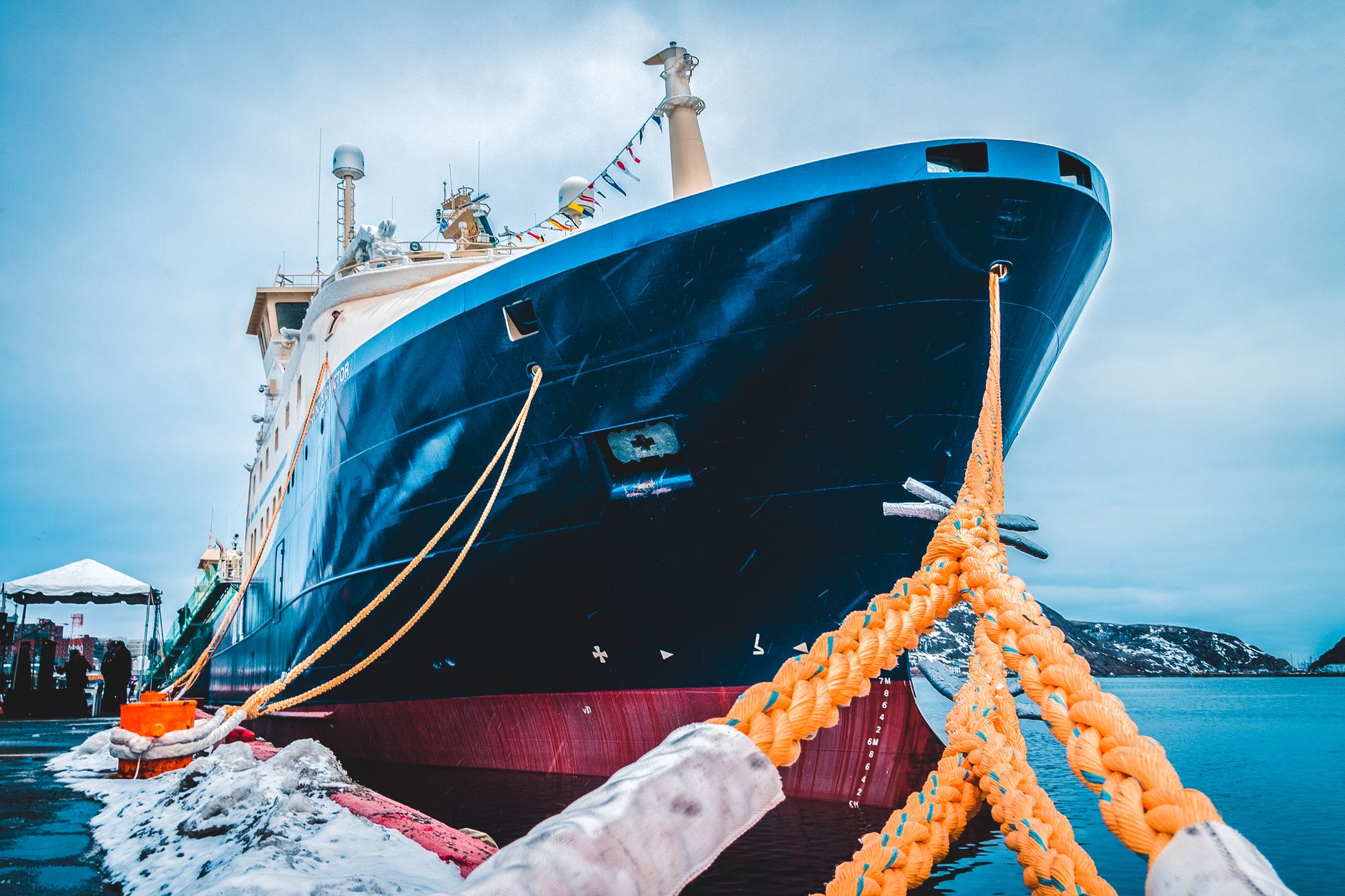
The EU also plans to expand its fleet of icebreaker ships and boost scientific research, enhancing its ability to operate and understand the complex Arctic environment. Crucially, the bloc has committed to a sustainable path, explicitly stating it will not drill for or purchase fossil fuels extracted from the Arctic, including from partners like Norway. This stance highlights the importance of transitioning away from fossil fuels and embracing greener solutions for a healthier planet.
With more than half a million EU citizens residing in the Arctic and several member states having direct interests, the region's stability and environmental health are paramount. This strategic shift underscores Europe's dedication to a secure, well-monitored Arctic that prioritizes sustainability and collective action in the face of rapid climate and geopolitical change.