Are Our Hurricane Ratings Obsolete? A New 'Category 6' Proposed.

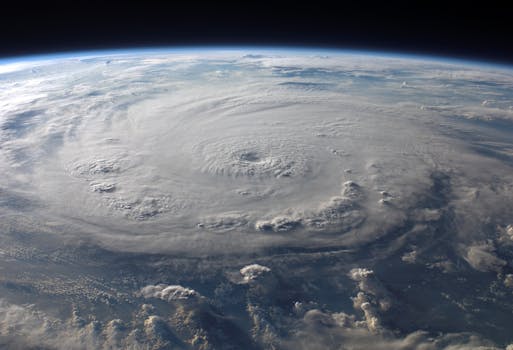
As our planet warms, hurricanes are growing stronger and more destructive, pushing the limits of our current warning systems. Some scientists are now proposing a radical change: adding a Category 6 to the existing hurricane rating scale. Atmospheric scientist I-I Lin suggests that storms with winds over 184 miles per hour, like 2013's devastating Typhoon Haiyan, are so powerful they warrant their own distinct classification. Her research highlights that such extreme storms have become more common, capable of doubling the destructive potential of a regular Category 5 hurricane. This shift is crucial to accurately convey the escalating danger posed by climate-fueled super-storms.
Current hurricane categories mainly focus on wind speed, with Category 5 designating any storm packing winds of 157 miles per hour or more NOAA JetStream. However, as our climate changes, we're seeing an alarming rise in storms that far exceed this threshold. This has led scientists like I-I Lin from National Taiwan University National Taiwan University to advocate for a new Category 6, specifically for storms with sustained winds over 184 miles per hour.
Consider the catastrophic impact of Typhoon Haiyan, which devastated the Philippines in 2013, killing thousands. This storm, which would fall into the proposed Category 6, illustrates the immense power of these super-storms. Lin's research reveals that such ultra-intense hurricanes have become more frequent over the past decade AGU confex.
The difference isn't just a number; a Category 6 storm could have double the destructive potential of a typical Category 5. While current categories don't fully capture dangers like torrential rainfall or massive storm surges, introducing a Category 6 would still be a vital step. It would more clearly communicate the extraordinary and increasing threat these climate-intensified storms pose, urging communities to take more serious protective measures as global warming continues. Understanding this escalating danger is key to better preparing and protecting vulnerable regions.